Symbotic (SYM +6.04%) is the stock Wall Street couldn't stop talking about over the last year. It has a $28 billion market cap, revenue of $630 million last quarter (which jumped 29% year over year), and just had its first-ever generally accepted accounting principles (GAAP)-profitable quarter. It also boasts a $22.3 billion backlog. The stock currently trades around $51 a share, but analysts at KeyBanc just upgraded it to overweight with a $70 target.
Put all those facts together, and the narrative writes itself: This AI-powered warehouse robotics manufacturer is working to become the future of logistics, and is doing so with a generational build-out of its operations.
But there's a problem with this story. The narrative is doing most of the work.

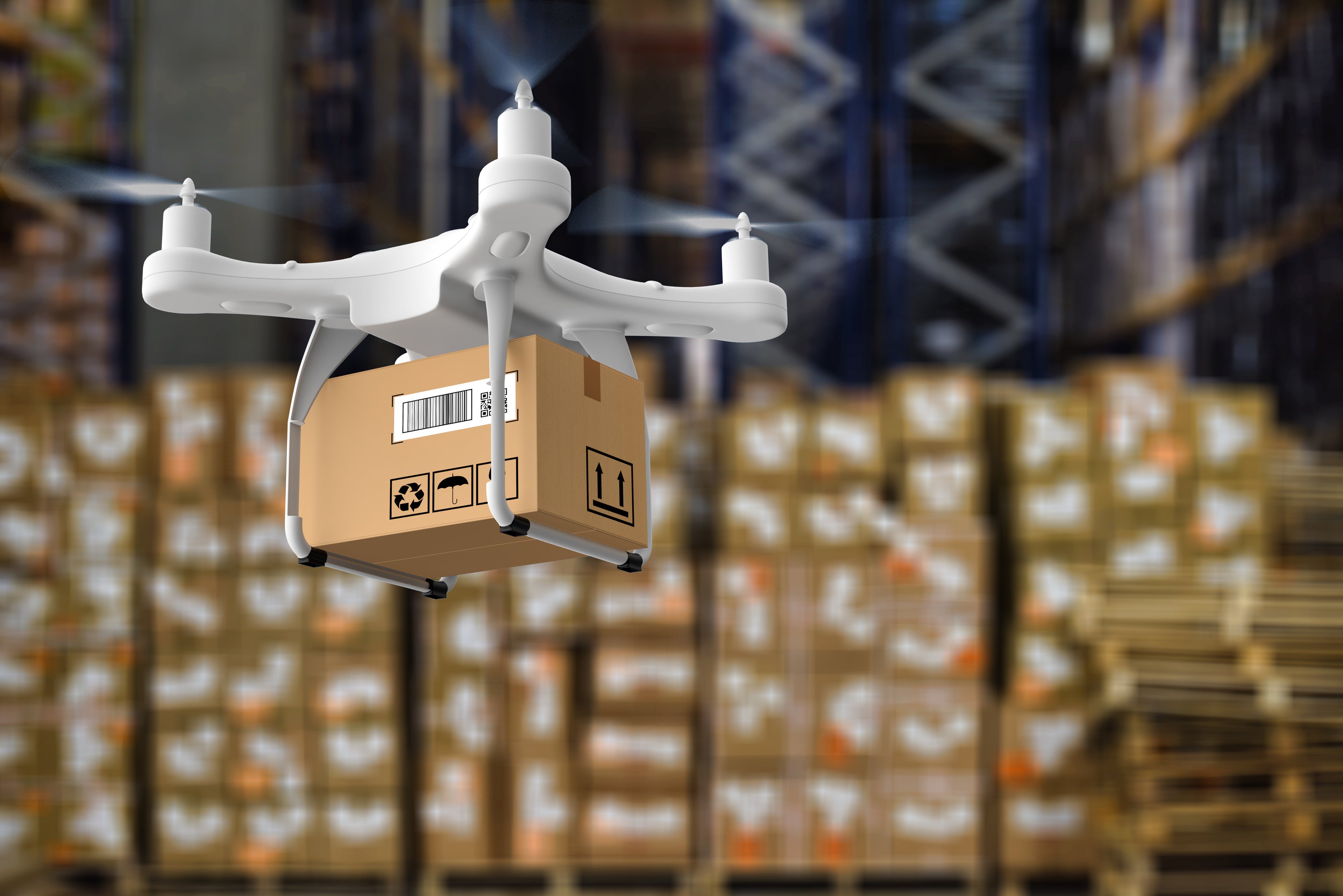
Image source: Getty Images.
Symbotic has a Walmart issue
The details offered above fail to mention that Symbotic gets approximately 84% of its revenue from a single customer: Walmart (WMT +1.32%). That's not a diversified business. That's a vendor relationship with a concentrated revenue stream dressed up as a platform company.
Sure, the company recently acquired Fox Robotics, creating 25 new customer relationships. And it's also deploying equipment for Albertsons through its GreenBox joint venture with SoftBank. But in Q1 fiscal 2026, Symbotic's systems revenue of $590 million was still driven overwhelmingly by Walmart deployments.
When 84% of revenue comes from one buyer, you don't set the terms. The buyer does. If Walmart slows deployment by six months, revenue stalls. If Walmart decides to build in-house (this is a company that has repeatedly built its own technology when vendors couldn't keep pace), the entire model is at risk.
I think Symbotic's technology is impressive, but until the company proves it can build a broad, independent customer base beyond Walmart, the investment thesis still hinges more on one retailer's capital spending plans than on a diversified platform.
Symbotic is also maintaining a backlog illusion
$22.3 billion in remaining performance obligations sounds like a decade of guaranteed revenue. But only about 13% of that backlog is expected to convert within 12 months. The rest depends on deployment schedules, site prep, customer approvals, and timing that management admits will be "lumpy."
In Q1 fiscal 2026 (ended Dec. 27, 2025), EPS came in at $0.02, missing the $0.08 analysts' consensus estimate by 75%. Revenue beat, but the bottom line missed because project timing shifted costs in ways Wall Street didn't model. The stock price dropped 4.8% on the news. That's the problem with backlog-dependent businesses: Revenue is locked in, but the timing of recognition is unpredictable.
Symbotic stock trades at roughly 17x trailing revenue. That's a premium reserved for high-margin software, not hardware-heavy robotics with 10.6% earnings before interest, taxes, depreciation, and amortization (EBITDA) margins. Multiple independent DCF analyses peg the stock's fair value between $40 and $48 -- below the current price of around $51 and the 52-week average of $48.72.

NASDAQ: SYM
Key Data Points
Some analysts are cutting next year's earnings estimates by more than 20% following the recent earnings miss.
The stock rallied 300% off April 2025 lows on narrative alone. That's not fundamentals; That's expectation. When expectations are this elevated, a single delayed deployment or margin miss can crater the multiple.
The bulls aren't wrong that warehouse automation is real. They might be wrong about the price they're willing to pay for it. I'm staying away from Symbotic stock for now.