In the endlessly growing list of demands of artificial intelligence (AI), the one spot the market has hit a real snag on is memory.
That is, random access memory (RAM) and dynamic random access memory (DRAM), the hardware that allows computers to store and recall information.
AI needs a lot of it, so much, in fact, that Chey Tae-won, the chairperson of SK Hynix, one of the three leading memory producers in the world, believes the memory shortage won't come to an end until 2030.
Memory is usually a cyclical industry, but we're in the midst of a genuine shortage. And Micron Technology (MU +0.59%) is perhaps the best way to play it, especially after it began production of its HBM4 memory chip for Nvidia's Vera Rubin graphics processing unit (GPU).
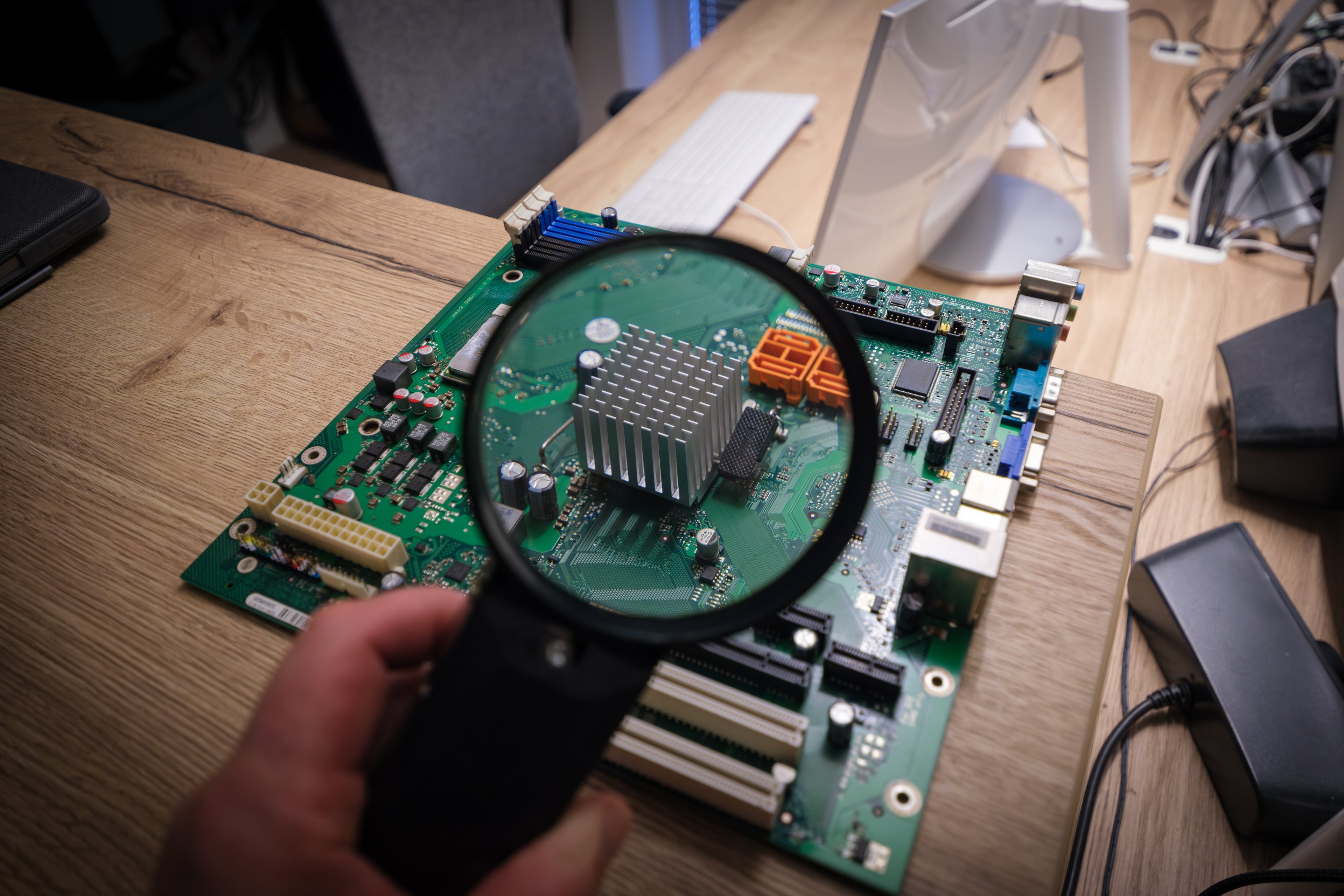
Image source: Getty Images.
I forgot to remember to forget
Based in Boise, Idaho, Micron is one of three companies that dominate the global memory hardware market. The other two are SK Hynix and Samsung. Of the three, Micron is the only American company, and it's the one demonstrating the most incredible growth.
Over the past 12 months, Micron is up 305%, and it's up 37.6% this year so far. And the Nvidia deal is only part of the reason why. Micron also supplies Advanced Micro Devices, Apple, and Qualcomm.
In fact, the AI memory market has become so critical to Micron's business that it exited the consumer PC memory market late last year to focus on the AI opportunity.
And, in order to meet the growing demand, both from Nvidia and all of its other customers, Micron is making a $100 billion investment in a massive semiconductor factory in upstate New York. It broke ground on the factory earlier this year and, once completed, it will be the largest semiconductor plant in the United States.
Now, on to the growth.

NASDAQ: MU
Key Data Points
Almost tripling down
For the second quarter of its fiscal 2026, ended Feb. 26, Micron reported $23.9 billion in revenue. That represents growth of 196% year over year, almost triple the company's revenue for Q2 2025.
The company is also running a 41.49% net profit margin, again a spectacular number and almost double the 22.85% net margin it managed for its previous quarter.
The final thing of note is that, despite Micron's $100 billion investment in a new factory, it's got an incredibly healthy balance sheet. Its debt-to-equity ratio is 0.15 right now, almost half the 0.28 debt-to-equity ratio it had at the end of its previous quarter.
By my math, the stars are aligning for Micron to go on a moonshot over the next few years, especially if Chey Tae-won is right and the memory shortage will last for the next four years.
If you're in the market for an AI hardware play, don't forget Micron.