Shares of Nvidia (NVDA +5.56%) are trading down by 10.2% so far in 2026, despite the company reporting a 65% year-over-year jump in revenue to $215.9 billion in fiscal 2026 (ending Jan. 25, 2026). Some investors are now questioning whether the current level of artificial intelligence (AI) infrastructure spending, which is driving the company's growth, can be sustained over time.
However, those concerns are based on one flawed assumption.

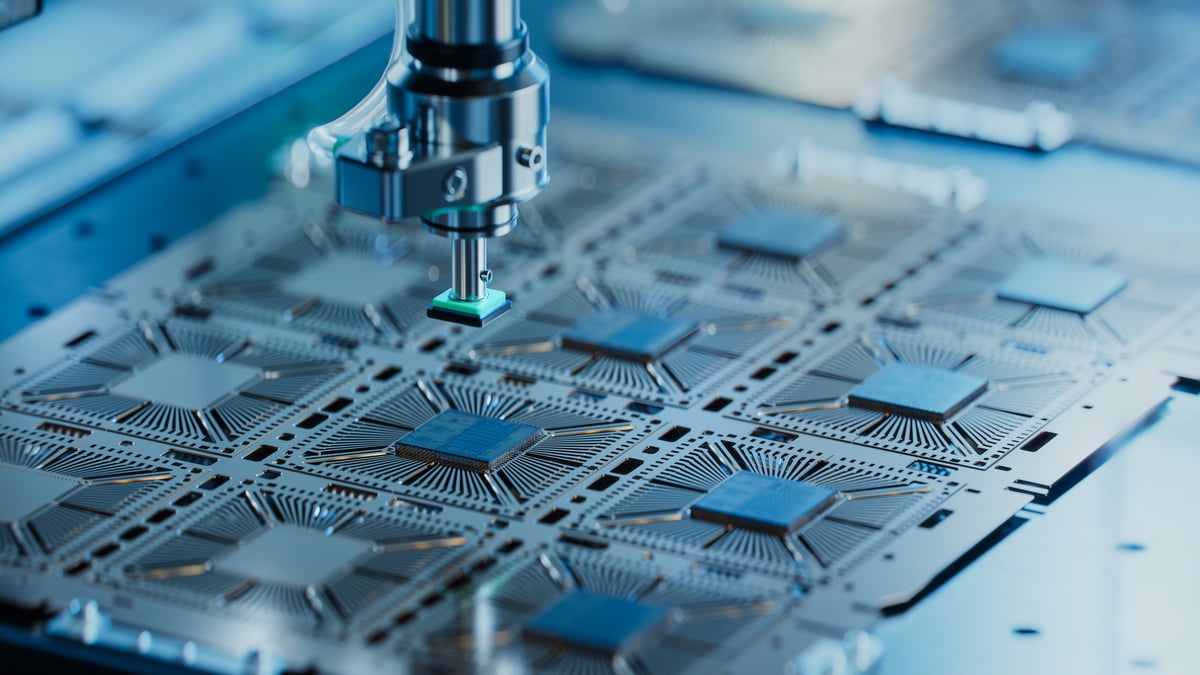
Image source: Getty Images.
AI infrastructure demand is a multiyear trend
Nvidia bears continue to treat current AI spending as a short-term surge led by hyperscalers. They point to the company's slowing sequential revenue growth, rising competitive pressures, higher customer concentration, and increasing geopolitical risks as signs that demand could normalize.
However, the reality is more nuanced. While these concerns are valid, Nvidia remains a key enabler of the global AI infrastructure buildout. At its GTC AI Conference 2026 keynote address, CEO Jensen Huang announced that Nvidia now sees at least $1 trillion worth of demand for its AI systems in 2026 and 2027, up from roughly $500 billion of visible demand the company had for its Blackwell and Rubin systems through 2026 a year ago.

NASDAQ: NVDA
Key Data Points
The increasing adoption of AI reasoning models and AI agents has dramatically increased compute requirements. Nvidia estimates that AI compute demand increased by as much as 1 million times in the past two years.
Demand for compute is also expanding across industries and functions. Hyperscalers account for about 60% of Nvidia's business, while the remaining 40% comes from enterprises, sovereign AI projects, start-ups, and new use cases such as robotics and edge AI. The diversified customer base ensures that Nvidia is not overly dependent on any single industry or company.
Nvidia also benefits from a steady stream of new product launches. Hopper deployments are still ongoing, and Blackwell systems are ramping. The company's future platforms, such as Rubin and Feynman, are already in development.
Finally, Nvidia's price/earnings-to-growth (PEG) ratio is just 0.41, indicating that its earnings are growing faster than its share price.