This has been an interesting year in the stock market. After several years of go-go performance, the tech sector is taking a breather as investors show concern that companies could be overspending on the infrastructure needed to build data centers and assorted artificial intelligence (AI) infrastructure.
The S&P 500, which is heavily influenced by tech stocks, and the tech-laden Nasdaq Composite are both roughly flat in 2026 -- a big change considering both of those indexes were up more than 40% in the last two years. Meanwhile, the energy sector is up nearly 30% so far this year, and consumer staples stocks have jumped more than 7%.
It's clear that the recipe that led to riches in 2024 and 2025 doesn't work for 2026. Some rejiggering of portfolios is in order. But exactly how to do that is the question.

Image source: Getty Images.
Making changes to face the new reality
When looking at your portfolio today, there are three core factors to keep in mind.
First, be confident that tech stocks will bounce back at some point. It could be three months away or more than a year away, but technology is too important a sector to be down for the long term. Stock market corrections happen all the time, but if you pull money out of the tech sector now, you forfeit any chance of capitalizing on the inevitable bounce. Just recognize that you can't put all your money in AI stocks -- you need balance.
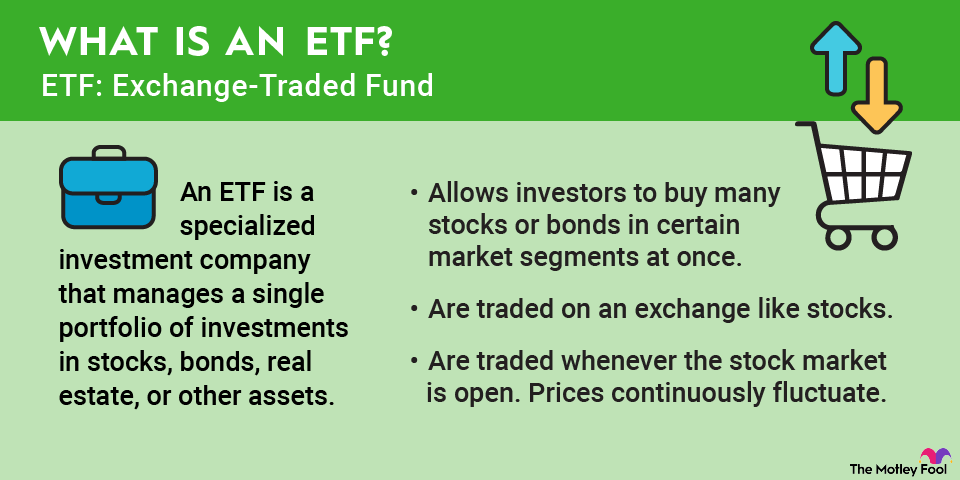
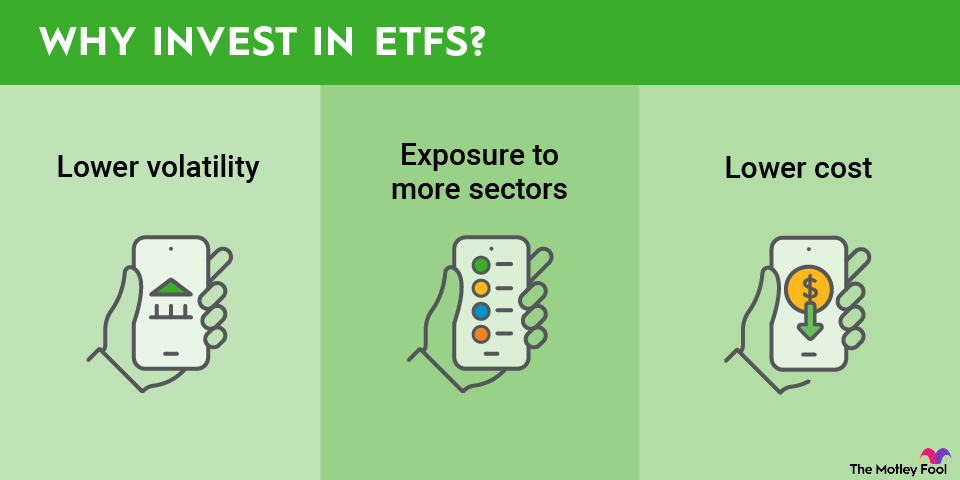
That said, diversification should rule the day. Exchange-traded funds are an ideal way to gain exposure to many stocks at a low cost. They are some of my favorite tools, especially when you are unclear where the market is headed next.
And finally, don't be afraid to keep some money in single stocks. I have a handful of stocks that are my ride-or-die names that I'll always keep because I'm convinced they will give me outsize returns in the long run -- even more so than an index ETF.
With those three factors in play, let's look at a way that you can reposition your portfolio for 2026.
Keeping with the tech space
Tech stocks are the most exciting in the market because they, by nature, are associated with advancement and new ways of thinking. Every sector in the stock market relies on technology and innovation to evolve, which is why I am convinced tech is a great long-term play.
While there are plenty of ETFs that are focused specifically on tech stocks, my play here is the Invesco QQQ Trust (QQQ +0.51%). While this isn't specifically a tech stock ETF, the QQQ tracks the Nasdaq-100 index, which comprises the 100 largest non-financial companies in the Nasdaq. That means you get plenty of tech names and large-cap stocks, as you can see in the top 10 holdings.
|
Company |
Weighting in the QQQ |
One-Year Performance |
|---|---|---|
|
Nvidia |
8.6% |
65.2% |
|
Apple |
7.4% |
31.5% |
|
Microsoft |
5.4% |
-5% |
|
Amazon |
4.8% |
24.7% |
|
Alphabet Class A Shares |
3.6% |
100.7% |
|
Meta Platforms |
3.6% |
7.1% |
|
Walmart |
3.4% |
41.9% |
|
Tesla |
3.3% |
26.5% |
|
Alphabet Class C Shares |
3.3% |
96.5% |
|
Broadcom |
3.3% |
102.6% |
Data source: Invesco.
QQQ has an expense ratio of just 0.18%, or $18 annually per $10,000 invested, making it a cheap, convenient way to get exposure to a lot of tech stocks and large-cap companies.

NASDAQ: QQQ
Key Data Points
Add even more diversification
Here's where you can use ETFs to your advantage -- for the next step in your portfolio, look for ETFs that shy away from tech so you can make sure you have enough exposure to the rest of the market. My choice here is the Vanguard Value ETF (VTV +0.04%), which tracks the performance of the CRSP US Large Cap Value Index that includes large-cap value stocks. (Tech stocks are almost always classified as growth stocks.)
The VTV ETF includes just over 300 companies with a bargain-basement expense ratio of 0.03%. Top holdings include Berkshire Hathaway, consumer companies such as Procter & Gamble and Johnson & Johnson, and energy companies like ExxonMobil and Chevron.

NYSEMKT: VTV
Key Data Points
Keep your favorite stocks
Finally, if you have a name or two you absolutely love, and if you think they will continue to add to your wealth for the long term, don't hesitate to hold them. Nvidia and Palantir Technologies are two names in my portfolio that fit that bill. Taiwan Semiconductor Manufacturing, which is the largest foundry in the world for advanced AI chips, is also a good selection here.
With these adjustments, you'll be set to tackle the rest of 2026 with a diversified portfolio that captures consumer and energy stocks, but is still ready to capitalize on the bounce when tech stocks come roaring back.