In times of economic uncertainty, investors tend to get defensive. Yet while many consider healthcare a defensive sector, don't assume this means all healthcare stocks are worth holding during a downturn.
To steer clear of not just the value traps but possible safety traps as well, consider it best to use the following two criteria to assess the strength of such names: a wide economic moat, as well as the strength of the company's balance sheet.

Image source: Getty Images.
Wide moats and sticky revenue
Illnesses may not slow down during a recession, but not all types of healthcare are fully recession-resistant. During slowdowns and recessions, discretionary healthcare spending, such as elective surgeries, preventative care, and more cosmetic medical treatments, takes a back seat. Due to factors such as the availability of generic drugs, customers may opt for lower-cost substitutes to branded pharmaceutical products during challenging times.

NYSE: BDX
Key Data Points
Hence, when selecting recession-resistant healthcare stocks, focus on names with wide economic moats and sticky revenue. Among medical device stocks, Becton, Dickinson (BDX 0.47%) is a strong example. During both booms and busts, hospitals rely on the company's medical supplies, lab equipment, and diagnostic products.

NYSE: JNJ
Key Data Points
Johnson & Johnson (JNJ +1.51%) is another strong choice. As Morningstar analyst Karen Anderson noted last year, J&J has one of the widest moats among healthcare names, primarily due to the moats surrounding its medical technology and pharmaceutical segments.
Strong balance sheets
High debt adds greater risk and uncertainty during a downturn. Along with metrics like debt-to-equity and debt-to-EBITDA (earnings before interest, taxes, depreciation, and amortization), factors like earnings consistency and dividend growth track records can also serve as proxies for financial strength.
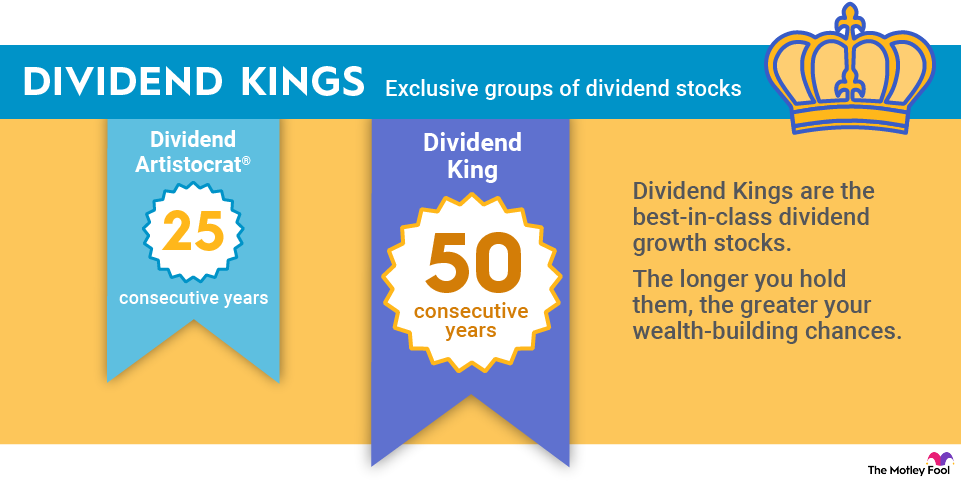
With the aforementioned healthcare companies, both have debt-to-equity ratios below 1. Becton, Dickinson and J&J are also Dividend Kings, with 54 and 64 years, respectively, of annual dividend growth. Dividend King status for both companies serves as a testament to their steady growth during both prosperous times and more challenging ones.
When reviewing other healthcare stocks, consider filtering them by these criteria to determine which to buy and/or add to your watch list.