IonQ (IONQ -1.63%) is one of the premier quantum computing stocks. That's despite the company lacking the resources that several of the big tech companies competing in this space have.
Recently, IonQ was awarded a contract in the Defense Advanced Research Projects Agency's (DARPA) Heterogeneous Architectures for Quantum (HARQ) program, alongside a few others. This is a big deal, as involvement in this project will place IonQ on the fast track to being a go-to quantum computing provider for the government.
But where will that land IonQ in five years? Let's explore.
Image source: The Motley Fool.
IonQ's approach is growing in popularity
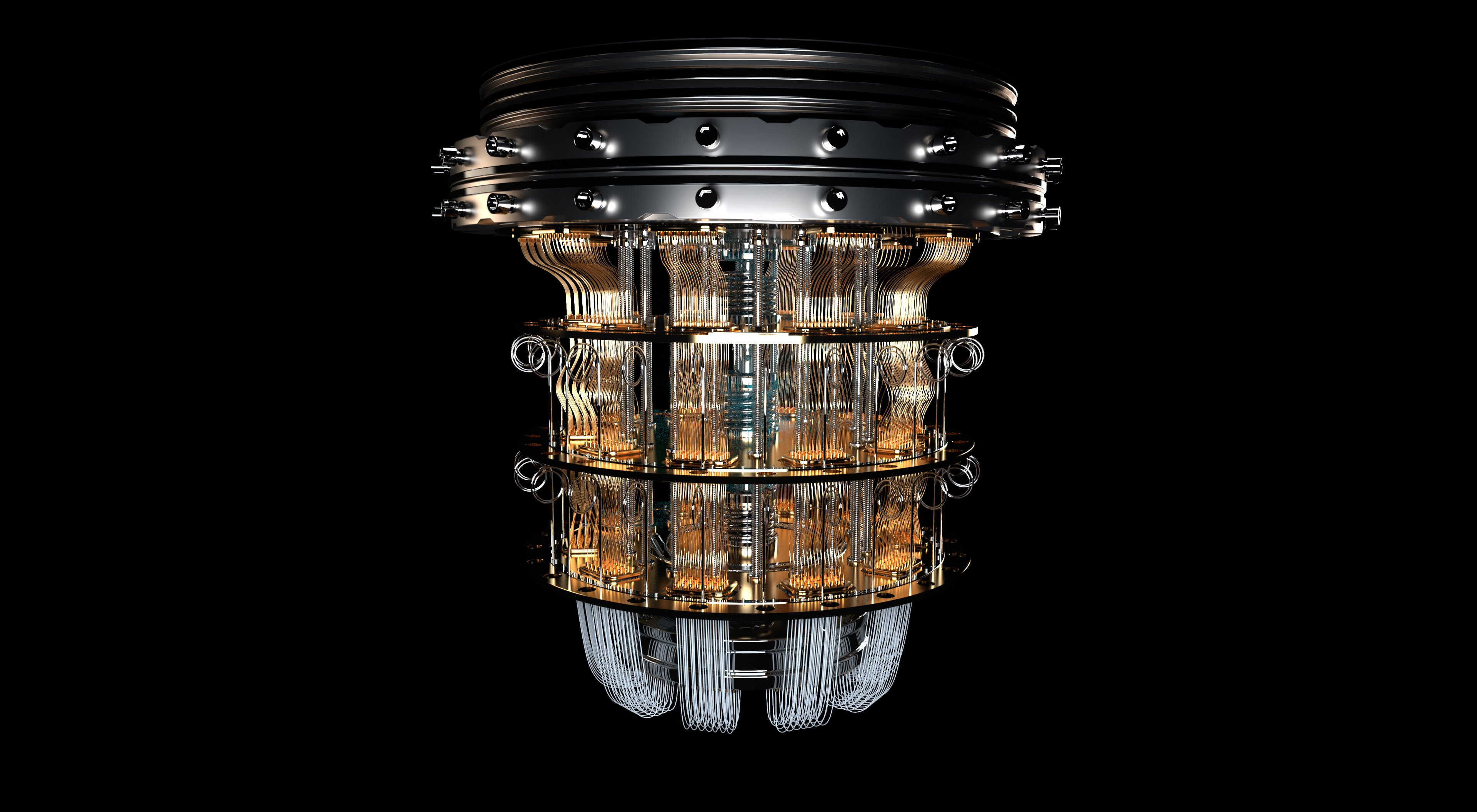
Quantum computing is a frontier technology, and there are several different approaches to it. IonQ is taking a more novel approach to quantum computing, using a trapped-ion technique, which isn't as common as superconducting, a process deployed by nearly every big tech company in this field.
This approach has set IonQ apart from its competitors, as it's more accurate than superconducting. However, the computing speeds for trapped-ion quantum computing aren't nearly as good. Still, accuracy is the primary roadblock to increased quantum usage, which means IonQ's lead is a big deal.
It's catching on with commercial clients as well. While the DARPA contract win is notable, IonQ delivered 429% revenue growth during the fourth quarter. For 2026, it estimates its revenue (coming from early-stage machine builds and research contracts) will reach about $235 million, up from $130 million in 2025. IonQ is clearly seeing strong growth and solid momentum toward its approach.
IONQ IonQ
NYSE · As of 4:00 PM ET 10/26/26

But where will that leave the stock in five years? Many quantum computing companies point toward 2030 as the year when widespread, commercially viable quantum computing becomes possible. By then, we'll likely know who the winners and losers of the quantum computing arms race are.
Last year, IonQ projected it would be profitable, with sales approaching $1 billion by 2030. If that holds, IonQ would solidly be in the lead as a top quantum computing option. If it meets those guidelines and quantum computing becomes the next big investment trend, don't be surprised if IonQ achieves a price-to-sales ratio of around 30 to 40. For reference, OpenAI, the maker of ChatGPT, had annual revenue of $25 billion and currently has a private valuation of about $852 billion. That's a price-to-sales ratio of 34, right about where I'd expect a fast-growing tech company to be.
IonQ's current $16 billion valuation indicates the stock could more than double over the next five years. However, there's no guarantee, and there's quite a bit of investment risk involved. Still, I think the risk is worth the reward, making IonQ a solid stock pick.