If you had bought shares of MP Materials (MP -6.03%) last May, when the rare-earth miner was trading around $20 a pop, you would have been joyously rewarded in early July. On July 15, MP announced two big partnerships, one with the Department of Defense, the other with Apple. Shares jumped to roughly $60 on the heels of that news.
Fast-forward to May 2026, and MP Materials, though posting revenue beats and maintaining a positive outlook, is trading at basically the same price as that mid-July high.

NYSE: MP
Key Data Points
What gives? Is $60 a share MP's ceiling, or are investors overlooking a diamond in the rough?
The narrative around MP Materials' strategic importance might be shifting
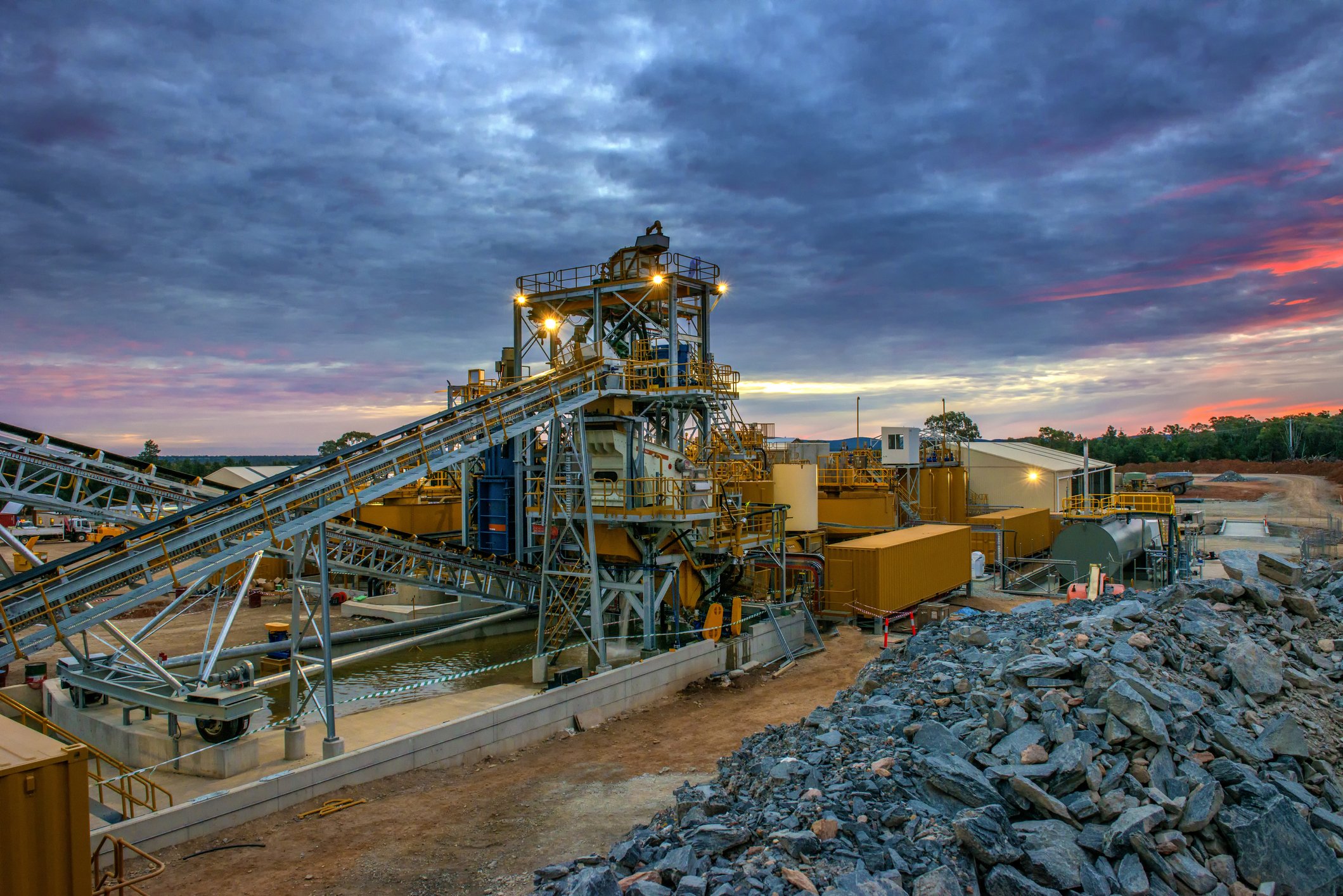
MP Materials currently operates the only active rare-earth mine in the U.S. -- the Mountain Pass mine in California. It's also the only company in a position today to supply U.S. companies with rare-earth magnets grown on American soil.
These "magic" magnets power everything from electric vehicles to medical imaging devices, laptops, and missiles. They're also largely imported from China, which has made the U.S. uncomfortably dependent on a nation it considers an economic adversary.
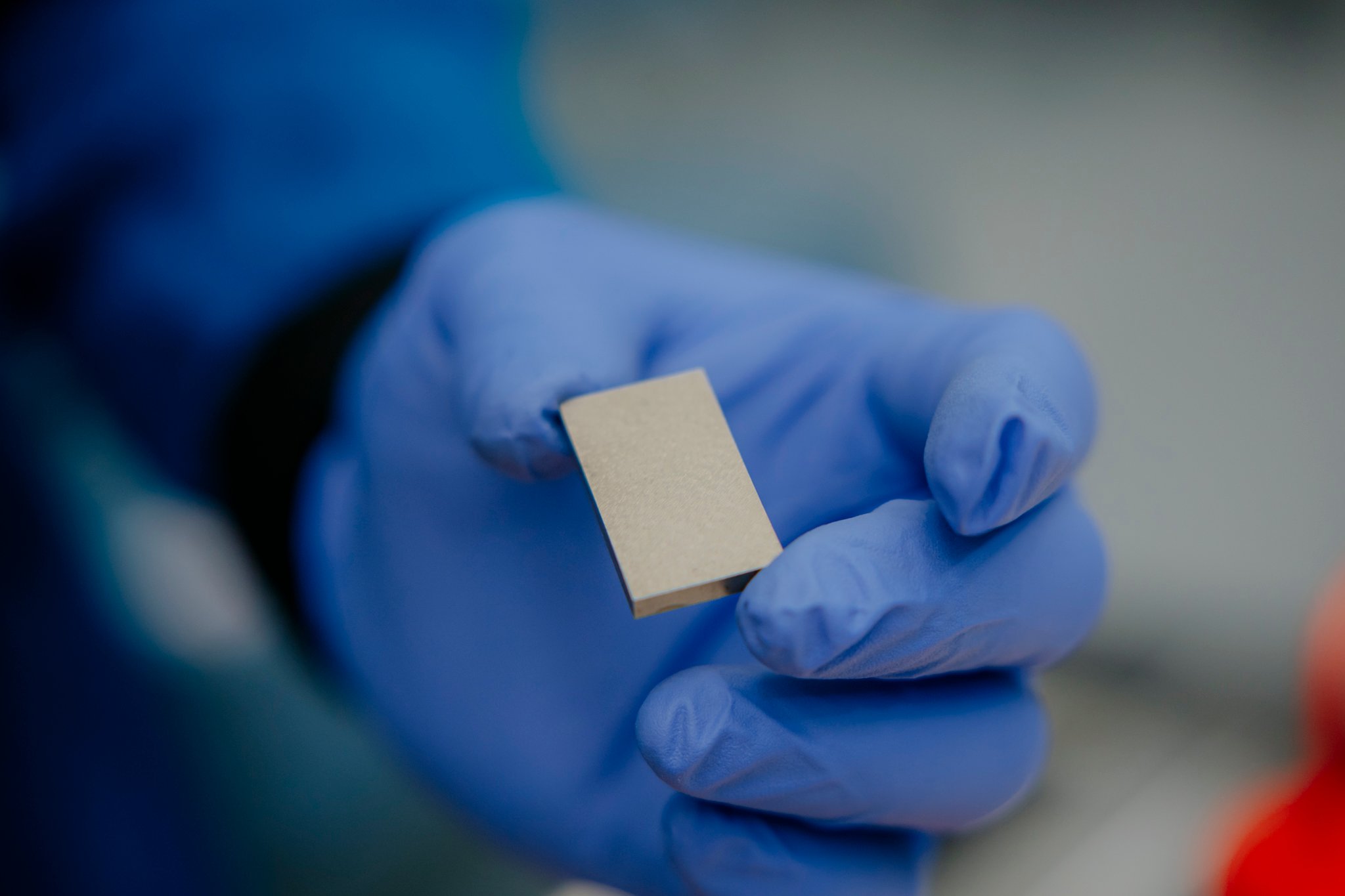
Image source: MP Materials.
That last part has been crucial to MP's stock performance. When the Department of Defense invested $400 million in MP last July, the stock gained 50% in a single day (it would end up gaining 100% over the next week). Likewise, MP had its strongest performance ever in October 2025, around when China imposed strict restrictions on rare-earth metals.
So long as MP's business is wrapped up in national security issues, the company seems insulated from the typical boom-and-bust cycles of mining stocks. But that, of course, is also the risk of a policy-driven stock. If relations between the two nations change, as, indeed, they now seem to be doing, MP stock could easily lose some luster.
Take, for instance, President Donald Trump's recent trip to China. From this meeting of the world's most powerful economies, it appears that Beijing may relax some of its restrictions around exporting neodymium -- one of the key ingredients to rare-earth magnets, as well as one of MP's core outputs.
The reason for this isn't hard to fathom: Even when MP has finished its second magnet factory and is operating at full capacity, there's no guarantee it can supply all of the U.S.'s rare-earth needs. The Center for Strategic and International Studies (CSIS) recently reported, for instance, that 8,900 tons of rare-earth compounds were produced at Mountain Pass mine in 2025 -- its greatest volume in decades. However, that production only accounted for about one-third of the U.S. consumption, with a large part of the remaining portion coming from (guess who) China.
MP Materials trades at a premium
Even after its recent sell-off, MP Materials still trades at a premium. With a roughly $10 billion market cap, and trailing-12-month revenue at $347 million, it trades at nearly 29 times sales -- a hefty multiple for a company that was scarcely profitable last quarter.
Don't get me wrong: MP Materials has immense potential to grow over the long-term. But I'm not rushing into it at $55 a share. Given the volatile environment around this stock, a more careful approach to gain exposure might be a metals exchange-traded fund (ETF), especially one that owns MP Materials.