Just days after SpaceX issued its S-1 report, the company is already scaling back its IPO goals.
Elon Musk’s space exploration, satellite internet, and AI company is now reportedly targeting a valuation of at least $1.8 trillion in its public offering, down from an earlier goal of at least $2 trillion.
In a post on X, Musk said the news was “false,” and it’s unclear if the dialed-down target is a response to a lack of investor enthusiasm, though it could be a needed dose of reality for the space juggernaut.

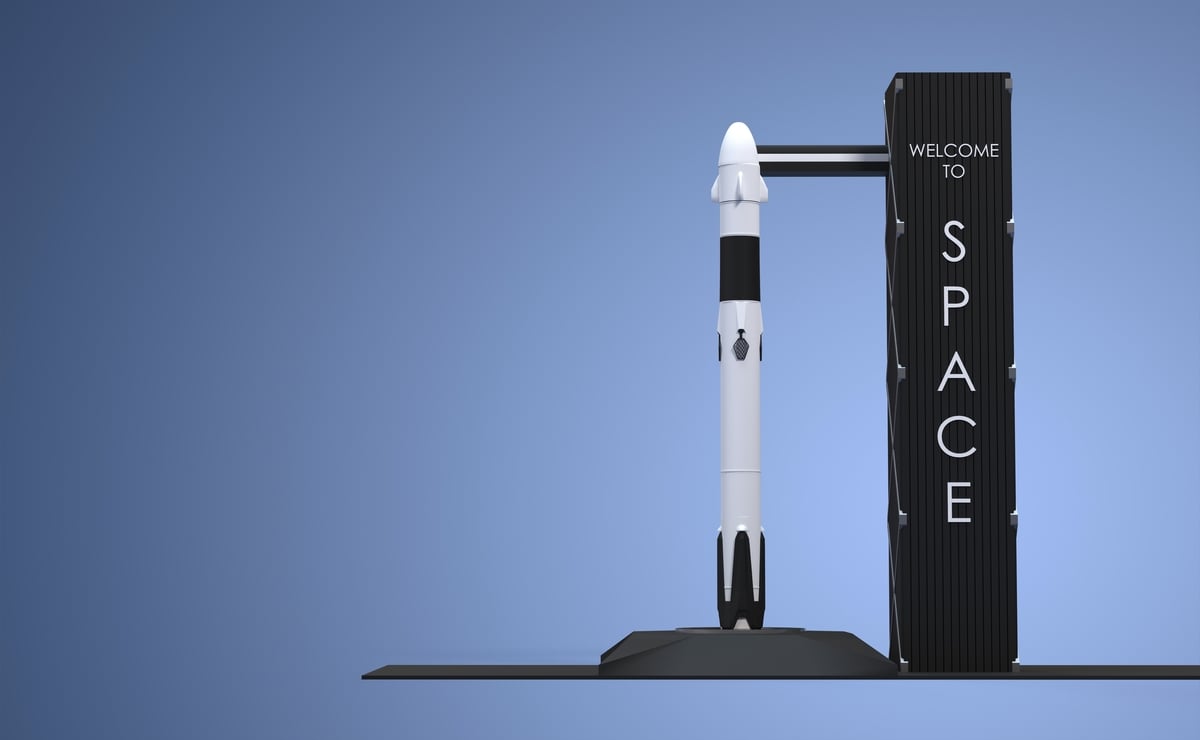
Image source: SpaceX.
What is SpaceX worth?
SpaceX’s S-1, the SEC filing required of all companies going public, was mostly a disappointment. It revealed a company with only moderate growth and widening losses, especially after its acquisition of xAI.
In 2025, SpaceX’s revenue rose 33% to $18.7 billion, though it reported a generally accepted accounting principles (GAAP) operating loss of $2.6 billion, compared to a profit of $466 million in 2024, due to a surge in R&D spending, driven by an increase in spending on its AI segment, formerly xAI.
In the first quarter of 2026, revenue growth slowed to 15.4% to $4.7 billion, and its GAAP operating loss was $1.94 billion, again due to R&D expense more than doubling to $3.5 billion.
However, SpaceX sees its valuation determined by its future, which includes a mission to colonize Mars and the moon, rather than its current results.
The company claims an actionable total addressable market of $28.5 trillion, roughly the size of U.S. GDP, and calls it the largest addressable market in human history. Most of that comes from AI enterprise applications, which it values at $22.7 trillion, which is the estimated size of the global digital economy according to the Digital Cooperation Organization.
What the valuation cut means for investors
If you’re hoping to buy into the SpaceX IPO when it goes public, a lower price is a good thing, but the early sign that the company may be overshooting its worth on Wall Street is concerning.
On a price-to-sales ratio, SpaceX is trading at close to 100, making it more expensive than every S&P 500 stock. It’s also losing money.
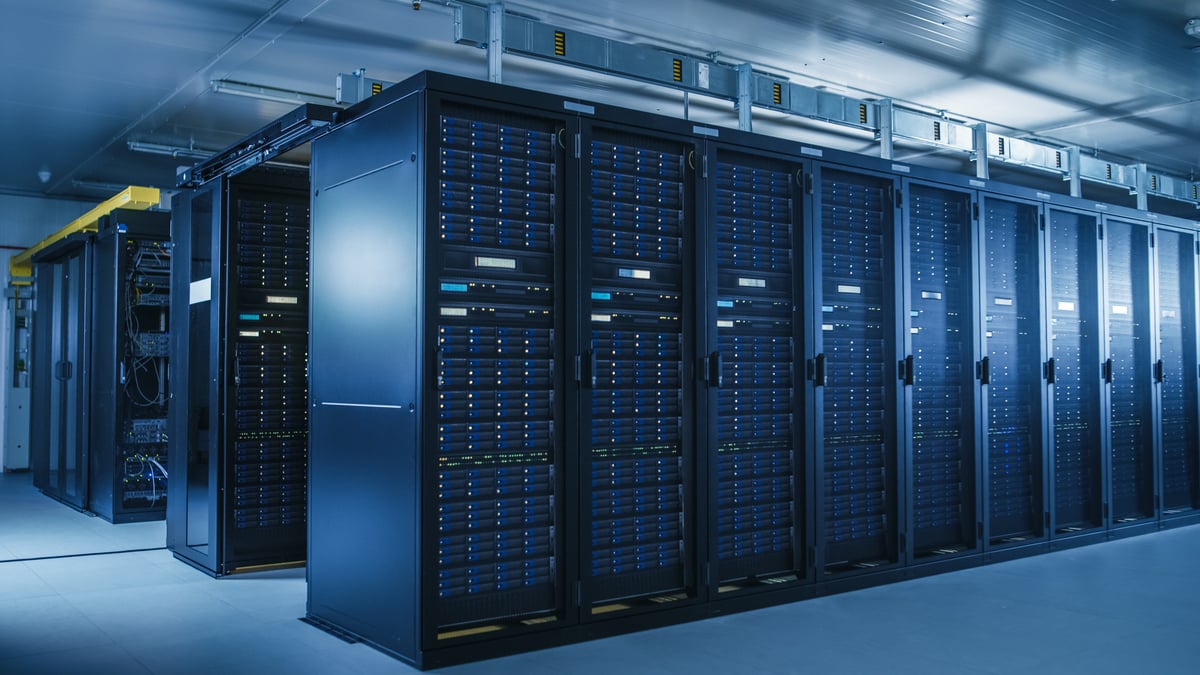
While there are some bright spots in the business, like demand for compute from its Colossus I and II data centers, which SpaceX gained in its merger with xAI, there are also signs of trouble.
xAI, for example, was valued at $250 billion at the time of the merger, which valued the total company at $1.25 billion. However, xAI is a fraction of the size of Anthropic, which just announced run rate revenue of $47 billion and raised money at a valuation of $965 billion.
By comparison, revenue from xAI in 2025 was just $3.2 billion, and its growth slowed to 12.5% in the first quarter, showing it’s lagging behind leaders like Anthropic and OpenAI. In other words, xAI is trading at a much higher sales multiple than its larger and faster-growing competitor.
Meanwhile, Starlink, the only profitable part of the business, is seeing declining average revenue per user (ARPU) as it expands internationally, suggesting its margins are likely to compress.
Overall, even at $1.8 trillion, SpaceX has plenty of room to fall further. The company represents a bold vision of the future, but with a valuation already in the multi-trillion-dollar range, the upside potential seems limited.