Shares of Macy's (M -0.29%) stock rose 11% in May, according to data provided by S&P Global Market Intelligence. It got a boost from Berkshire Hathaway's new stake, and it reported a solid earnings beat.
Changing with the times
Macy's owns the largest department store in the world in Herald Square in New York City, but while massive stores used to generate massive sales, the retail climate has drastically changed in recent years. The advent of e-commerce and the shift to smaller, more agile shopping venues have been a major drag on Macy's sales, and it has struggled to stay relevant.
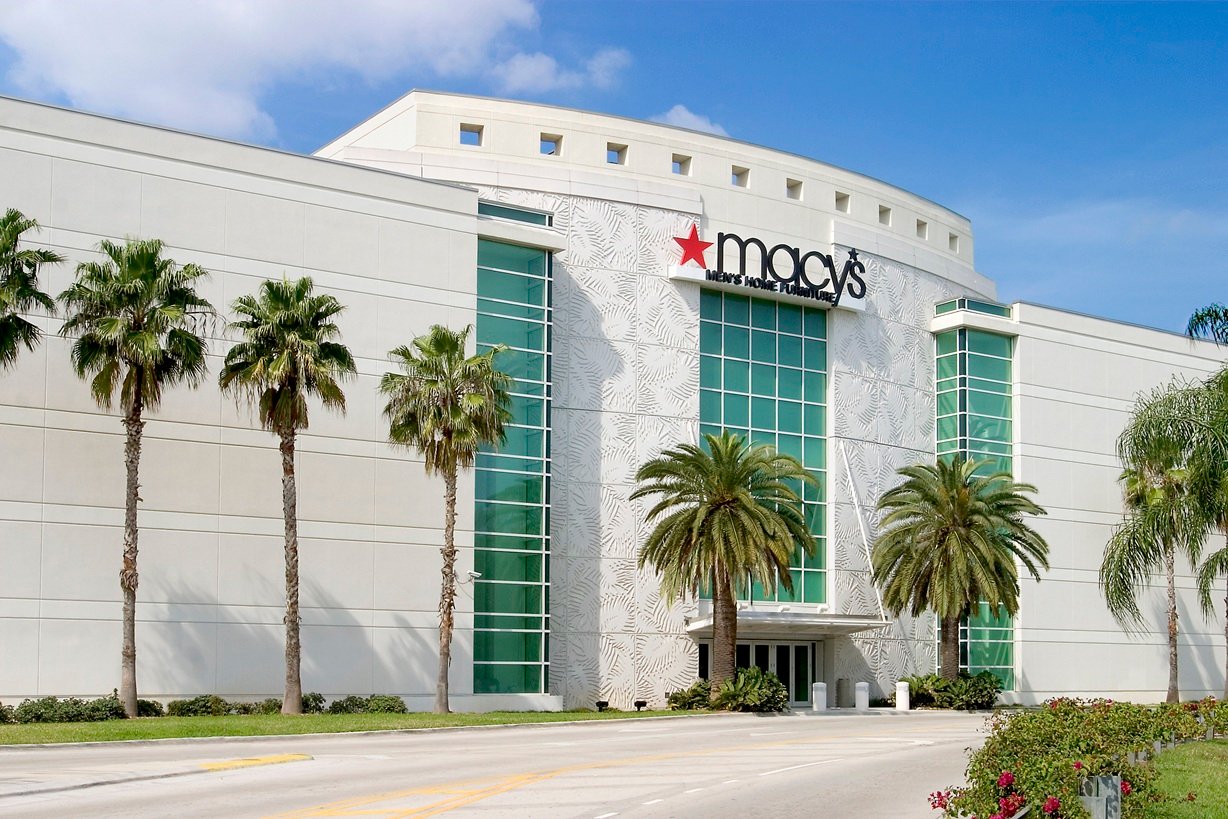
Image source: Macy's.
It has been trying to pump oxygen into the business for years, with muted success. It has closed a significant percentage of stores to allocate resources to the better-performing ones, it has renovated stores that remain open, and it has shifted focus to e-commerce and omnichannel shopping. Management calls its strategy the "Bold new chapter," and it also involves becoming more efficient through technology.
There's been progress, and adjusted earnings per share (EPS) came in at $0.13 in the 2026 fiscal first quarter (ended May 3), a full dime higher than the $0.03 expected by Wall Street analysts. Comparable sales (comps) were up 3% year over year, the best result in four years, driven by an oustanding 10.2% increase at Bloomingdale's; Macy's also owns cosmetics retailer Bluemercury, which was also strong with a 6.4% comps increase.
The company reported a comps increase for the full 2025 after several years of declines, and it's expecting positive comps in 2026 as well.
Too cheap to ignore?
Macy's stock has been slammed over the past few years as sales declined and it seemed to be on the way to irrelevance. But Greg Abel is Warren Buffett's disciple, and part of the Buffett way is to find undervalued stocks. Macy's still has plenty of assets, and its new strategy is breathing life into the business, which means it could be primed for a comeback.
M Macy's
NYSE · As of 4:00 PM ET 10/23/26

The stock is 70% off its high from a decade ago, and it's trading at less than nine times trailing 12-month earnings. It's easy to see why this combination could look compelling if you believe Macy's has a way forward.
Berkshire Hathaway's stake is only a tiny fraction of its portfolio, and it accounts for 1.2% of Macy's stock, so investors should take this with a grain of salt. Macy's does pay an attractive dividend, though, that yields 3.4% at the current price.