Speculation about a potential merger between SpaceX and Tesla (TSLA +0.52%) is surging. While such a deal is far from certain, trends on prediction markets such as Kalshi and Polymarket are showing a growing belief that the integration of Elon Musk's largest assets could unlock meaningful synergies across a multitrillion-dollar artificial intelligence (AI) enterprise.
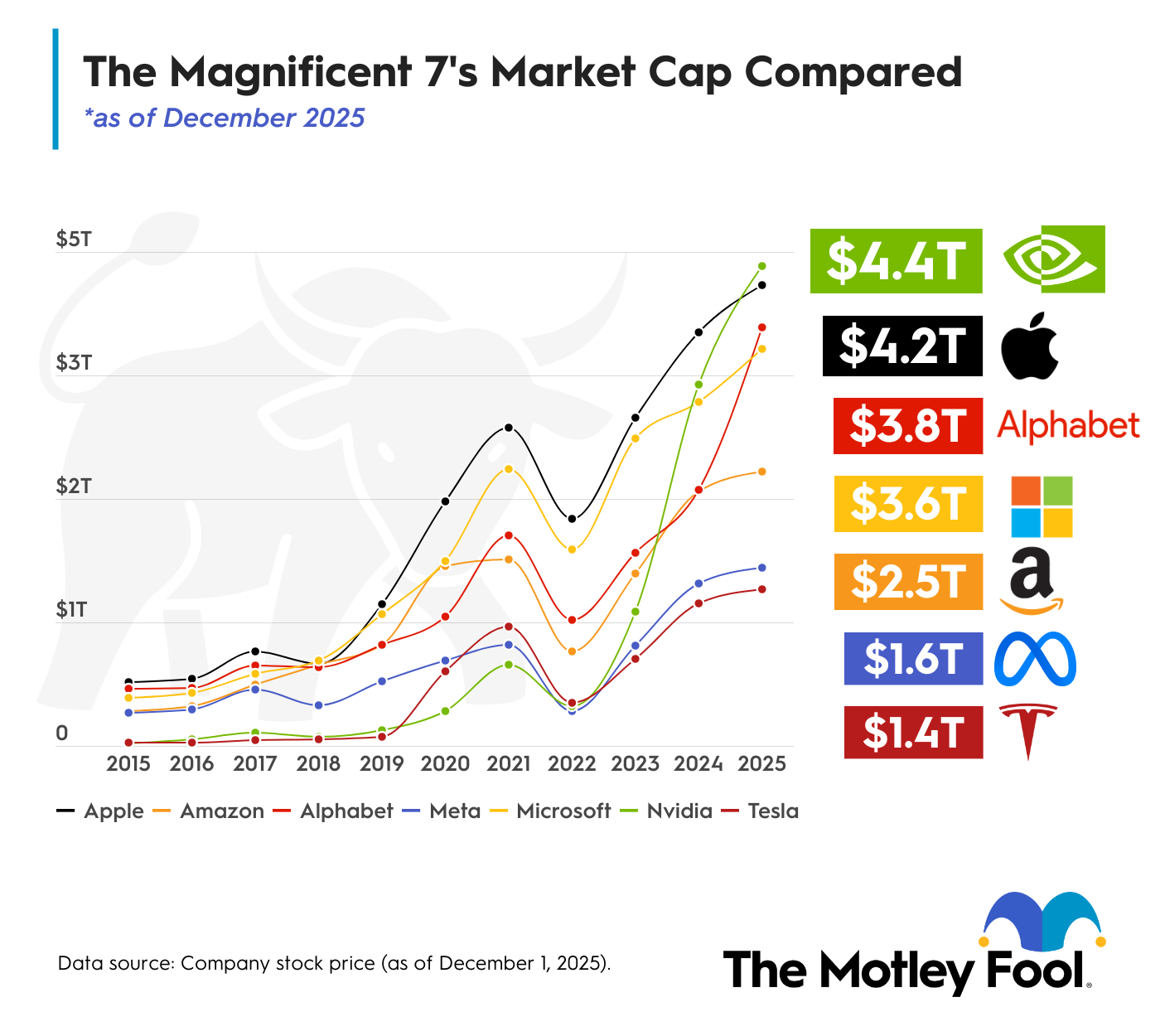
Image source: The Motley Fool.
Does a merger between SpaceX and Tesla make sense?
Combining the two companies would blend Tesla's expertise in terrestrial AI -- physical assets like humanoid robots, autonomous vehicles, and energy storage -- with SpaceX's orbital capabilities, such as Starlink satellites and its potential space-based data centers.

NASDAQ: TSLA
Key Data Points
Shared projects like the planned Terafab chip factory in Austin, Texas, already showcase some operational synergies between SpaceX and Tesla, where advanced semiconductors can power AI capabilities across cars, robots, and orbital infrastructure.
Following SpaceX's anticipated $1.77 trillion initial public offering (IPO), the company could use its highly valued shares as currency to merge with Tesla -- creating a roughly $3.3 trillion entity that would unify Musk's broader vision of building an AI ecosystem spanning Earth and the final frontier.
How do prediction markets work, and are they reliable?
Prediction markets operate similarly to stock exchanges. Traders buy and sell shares in bets on the outcomes of specific future events. As capital flows into bets on each side, prices fluctuate and directly translate to implied probabilities.
Some people argue that prediction markets are more accurate than traditional polls because participants have actual skin in the game in the form of payouts and losses. In this sense, prediction markets may be able to aggregate dispersed information more efficiently than a routine gauge of public opinion.
With that said, prediction markets are far from foolproof. Many of the events featured on these platforms have low liquidity, which can amplify the volatility of their values. In this specific case, I would not be surprised if trader biases within Musk's retail investor fandom are skewing results. At best, predication markets can serve as a barometer or proxy for somewhat informed sentiment rather than pure hype.

Image source: Getty Images.
What are the chances SpaceX and Tesla will merge?
As of this writing (June 3), Kalshi puts the chances of a SpaceX-Tesla merger occurring before March 2027 at 51%. The predicted likelihood of a deal before May 2027 is 61%. Polymarket is a little more aggressive, saying there is a 41% chance of a merger being announced by December.
In either case, the likelihood has trended upward recently -- likely driven by a recent update to the language in SpaceX's IPO filing. The company altered its disclosures to reflect that it "may issue a significant amount of equity in connection with future transactions." This new wording has reignited rumors that Tesla could merge with SpaceX relatively soon after its IPO next week.
Smart investors understand that momentum on prediction markets also suggests that you should act with caution. A proposed deal between SpaceX and Tesla would face immense scrutiny from regulatory authorities and require shareholder voting. While the prediction markets may see such a tie-up as becoming more plausible, that outcome is far from guaranteed.