About the Author
Lyle Daly has positions in Tesla. The Motley Fool has positions in and recommends Tesla. The Motley Fool has a disclosure policy.
Invest better with The Motley Fool. Get stock recommendations, portfolio guidance, and more from The Motley Fool's premium services.

This article refers to Tesla Supercharger stations and Tesla Supercharger ports, or just Tesla Superchargers. Tesla Supercharger stations are locations in the Tesla Supercharger network at which one or more Supercharger ports are available. Examples include shopping centers and parking lots. Tesla Superchargers are the DC Fast Charger ports which charge vehicles at those stations. Stations have one or more ports.

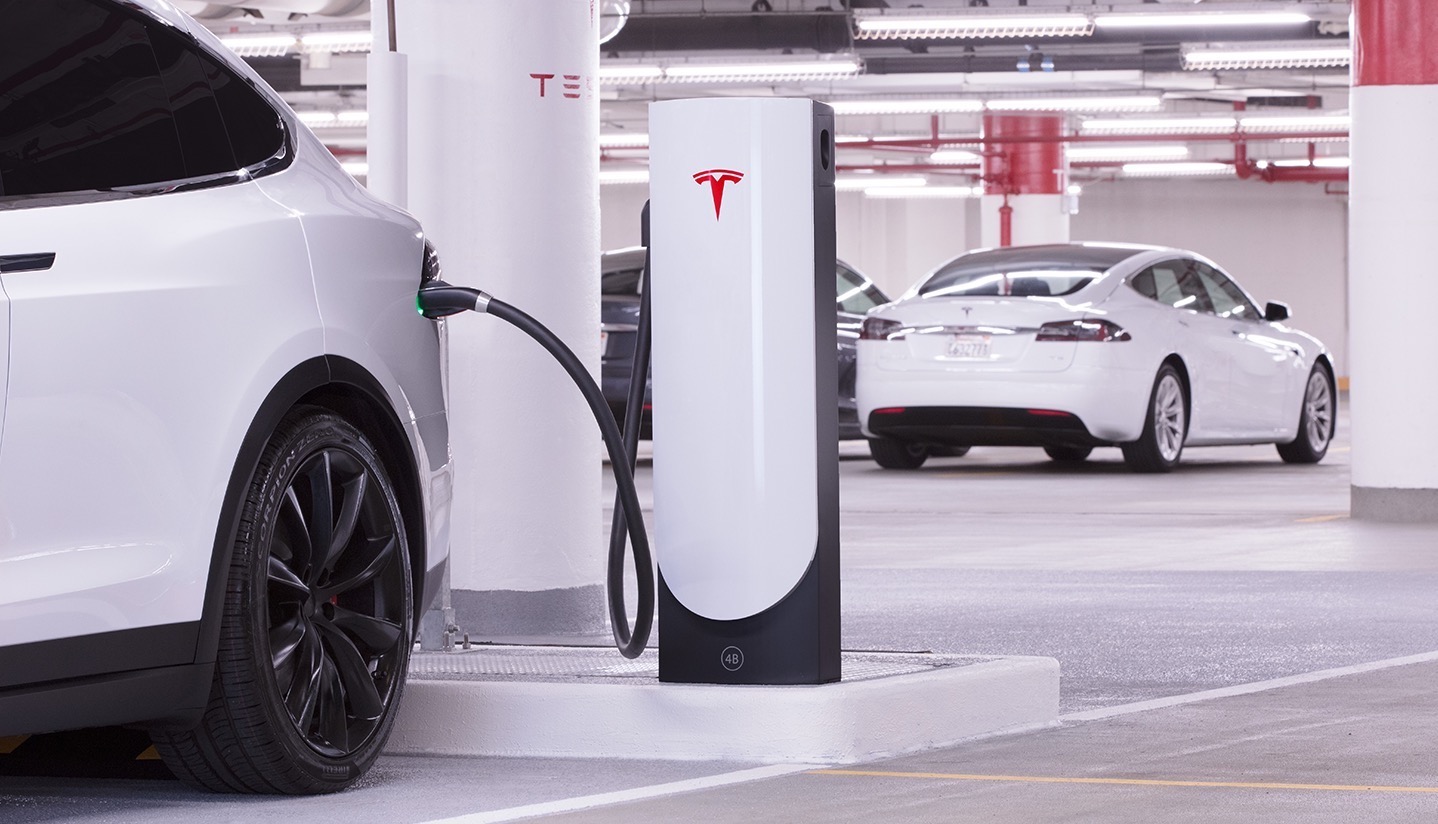
One of the most attractive aspects of owning a Tesla (NASDAQ:TSLA) is having access to the Tesla Supercharger network, which includes fast Tesla charging stations in all 50 U.S. states.
There are 3,112 Tesla Supercharger stations in the U.S. housing 37,736 charging ports, according to data collected by the U.S. Department of Energy. The Tesla Supercharger network accounts for 52% of all DC Fast EV charging ports in the United States.
The network is also expanding rapidly. Since January 2025, the number of stations has increased by 25%, while the number of ports has climbed by 30%. It offers such an advantage to drivers that Tesla’s major competitors are seeking to plug in to the network as they expand their electric vehicle (EV) offerings.
Let's take a closer look at how many Tesla Superchargers are in each state and which cities have the most.
California has the most Tesla Supercharger stations (662) and the most ports (10,850). That’s no surprise given that the Golden State had almost 1.3 million EV registrations at the end of 2023, the most by far. Florida had the second-highest number of EV registrations, followed by Texas. The two states were also second and third for Tesla Supercharger stations.
Rhode Island and Hawaii have just six Tesla supercharger stations, tied for the fewest in the country. Rhode Island also has the fewest ports (48).
Las Vegas has the most Tesla Supercharger stations (26) and ports (428). San Diego closely follows it. Below is a Tesla Supercharger map, along with details on which cities have the most Tesla Superchargers.
These are the top cities by Tesla Supercharger stations.
These are the top cities by Tesla Supercharger ports. A few cities stand out for having relatively few Supercharger stations but with a large number of Supercharger ports.
The world's largest Tesla Supercharger station, called Project Oasis, is in Lost Hills, California, and is powered entirely by solar energy. It has 164 ports, but this station only recently became fully operational and isn't reflected in the data yet.
Los Angeles is notable for the Tesla Diner, a combination of a Supercharger station, a classic American diner, and a drive-in experience. With 80 Supercharger ports, it's the largest urban Supercharging station in the world.
Most Tesla Supercharger stations are found in shopping centers or at gas stations, according to data from the U.S. Department of Energy.
Supercharger stations are also common at grocery stores, parking lots, and restaurants.
Tesla Supercharger stations are less common at hotels and inns. Instead, Tesla has populated those facilities with Tesla Destination stations, which are a charging network separate from the Supercharger network.
Tesla Destination stations only offer Level 2 EV chargers, which are slower and better suited for overnight charging or for a couple of hours away from your vehicle while dining.
With auto companies investing heavily in EVs, they’ll need to figure out how to make chargers available to customers. As a result, automakers are turning to Tesla, which has opened up its once-private Supercharger network.
Every major automaker has announced a switch to Tesla's North American Charging Standard (NACS), meaning their new EVs will be able to use NACS Superchargers without requiring an adapter. The decision to open up the Supercharger network expands charging access for EV drivers and has created a new source of revenue for Elon Musk's EV company.
Tesla has also filed applications for private Supercharger stations exclusively for its Robotaxis. This could become more common as the automaker continues to develop autonomous vehicles.
With EVs accounting for a growing share of vehicles on the road -- and automakers desperate for convenient charging options to boost the value proposition for potential buyers -- Tesla has an opportunity to become the market leader in EV charging.