The U.S. headline Consumer Price Index (CPI) hit 3.8% in April 2026, its highest reading since May 2023. Energy costs are up 17.9% year over year. The driver is the U.S.-Iran conflict, which sent Brent crude prices from around $61 at the beginning of the year to well above $100 by spring. Core CPI has also started climbing along with energy. It's up 2.8% year over year, which suggests that inflation is spreading.
If inflation stays elevated because energy prices remain elevated, two exchange-traded funds (ETFs) are built for exactly that environment: the Vanguard Energy ETF (VDE -0.27%) and the SPDR Gold MiniShares ETF (GLDM +1.55%).
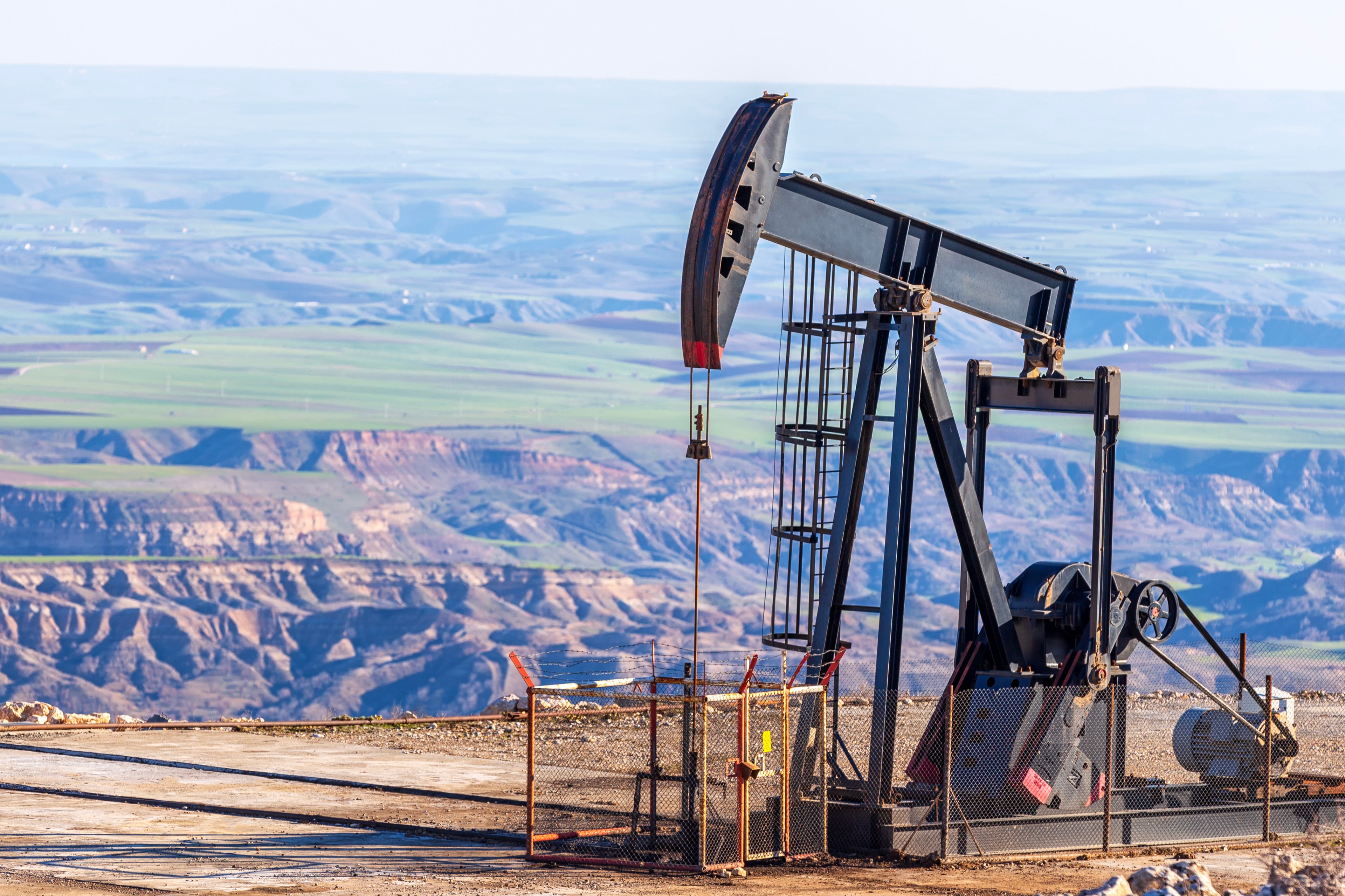
Image source: Getty Images.
Vanguard Energy ETF
This ETF tracks a market-cap-weighted index of just over 100 U.S. energy companies all along the stream, including integrated majors, exploration and production companies, refiners, and storage and transportation businesses. Here are the current top five holdings:
-
ExxonMobil: 21.1%
-
Chevron: 14.3%
-
ConocoPhillips: 5.9%
-
Williams Companies: 3.6%
-
Valero Energy: 3.1%
This fund is up 31% year to date and is the best-performing S&P 500 sector, due to soaring energy prices. If energy prices are what's keeping inflation elevated, the companies extracting, refining, and transporting energy products are capturing that price premium as revenue. The investment case rests on inflation rates remaining high.

NYSEMKT: VDE
Key Data Points
Concentration risk, however, becomes a potential issue. ExxonMobil and Chevron alone represent more than 35% of the fund's assets. That puts a lot of influence in the hands of just two companies.
SPDR Gold MiniShares ETF
This ETF holds physical gold bars in London vaults. Its expense ratio of 0.10% makes it one of the cheapest physical gold ETFs available.
After a gain of 64% in 2025 and being up an additional 25% at one point in January, the fund is virtually unchanged so far in 2026. That's been due to gold prices being influenced by several factors.

NYSEMKT: GLDM
Key Data Points
Historically, investors tend to move toward gold as an inflation hedge, or if they believe real rates could turn negative. But the big catalyst over the past couple of years has been central bank buying. They could be building their own inflation protection, or they may be looking to diversify themselves from U.S. dollar reliance.
With inflation looking to stay high for at least the next several months, adding some gold as a hedge makes sense.
Energy and gold work in an inflationary environment
The Vanguard Energy ETF and the SPDR Gold MiniShares ETF both help protect your portfolio from inflation in different ways. Energy probably deserves a larger position due to its link to oil prices. Gold works better when energy inflation is steady and persistent.
The supportive scenario for both funds is if the current environment persists for another two to three quarters.