Shares of specialty semiconductor foundry Tower Semiconductor (TSEM +6.68%) rallied 15.5% in May, according to data from S&P Global Market Intelligence.
Tower delivered strong first-quarter earnings on May 13, and also disclosed that it had received significant orders out to 2028, with customers even pre-paying to secure capacity for Tower's leading silicon photonics technology.
TSEM Tower Semiconductor
NASDAQ · As of 4:00 PM ET 10/26/26

A strong Q1 portends better things to come
In the first quarter, Tower posted revenue growth of 15.6% to $414 million, with adjusted (non-GAAP) earnings per share growing 62.9% to $0.57 per share. Both figures beat analysts' expectations. Management also guided to a very strong $455 million in revenue for the current quarter, good for about 10% sequential growth and well ahead of the $436.4 million analyst consensus.
In addition to strong earnings, Tower also disclosed that it had secured $1.3 billion in silicon photonics contracts in 2027 and had even received customer prepayments to that end. Additionally, Tower disclosed that its largest customers have an even larger commitment for 2028, with another upcoming pre-payment for the 2028 production expected in January 2027.
Strong customer prepayments to dedicated capacity give Tower significant visibility into its medium-term growth, which supports Tower's lofty forward PE ratio of 70.
The results and pre-payment news also prompted a major upgrade from sell-side analysts. Susquehanna analyst Mehdi Hosseini nearly doubled his price target on Tower shares from $180 to $330, while the stock is trading around $242 today. Encouraged by management's forecast and the pre-payment news, Hosseini sees Tower achieving an $8 EPS run rate by 2028, and a potential path to as much as $10 per share. That would be nearly five times the $2.16 Tower has earned over the past 12 months.

Image source: Getty Images.
Tower's lead in silicon photonics has made it an AI superstar
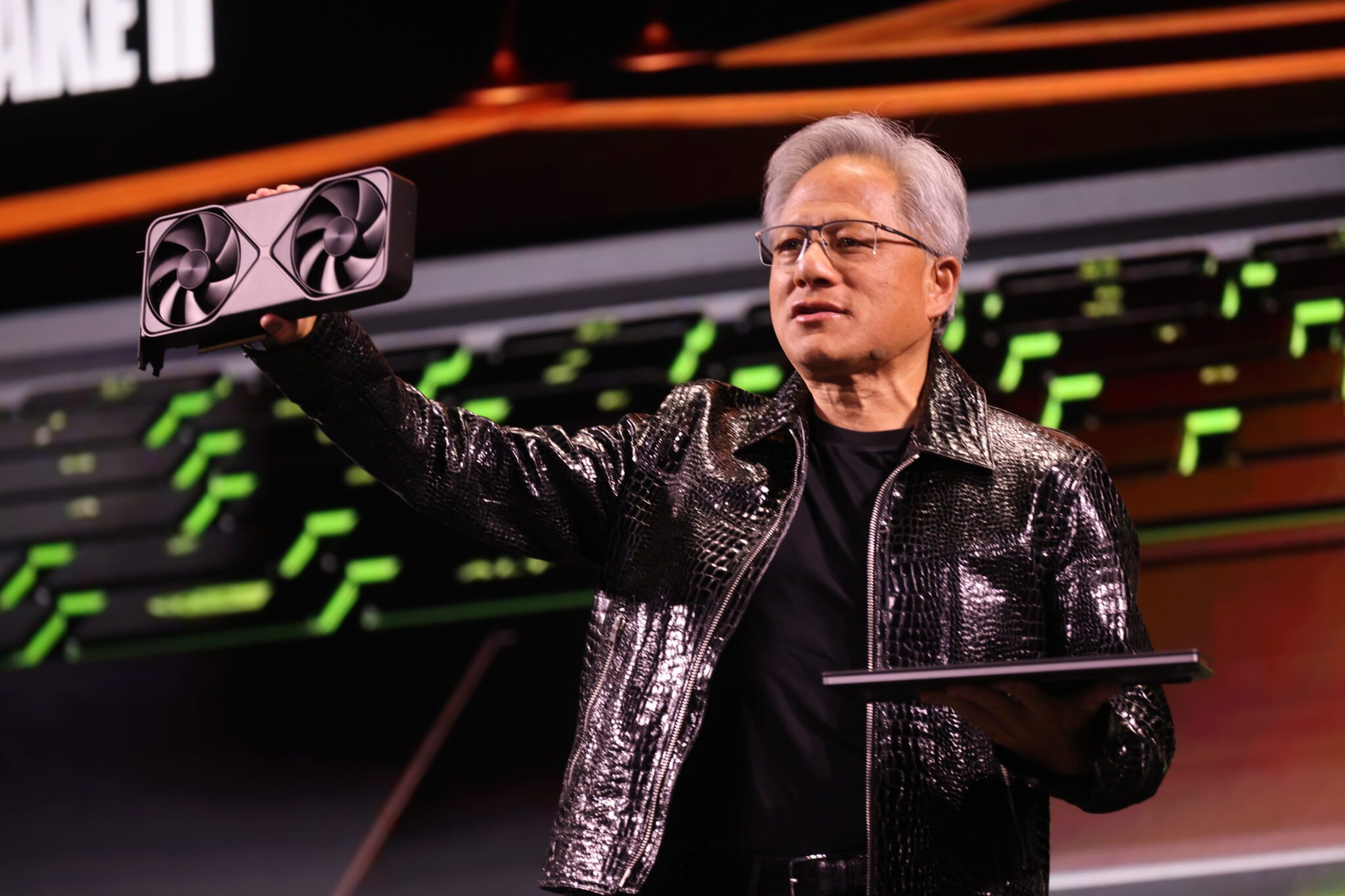
Silicon photonics technology is advancing rapidly as a replacement for copper wire, which is approaching its physical limits as data speeds and volumes increase. Copper signals degrade once data speeds reach a certain threshold, requiring very power-hungry digital signal processors to maintain signal quality. That's why Nvidia (NVDA +2.39%) recently invested $6.5 billion across several companies involved in silicon photonics.
However, whichever company emerges as a SiPho winner, Tower will likely produce those integrated chips. While Tower doesn't produce leading-edge silicon, it has specialty technologies on older nodes and is seen as a leader in silicon photonics production, which has propelled the foundry into the AI winner's circle.