While liquefied natural gas (LNG) stocks, such as Cheniere Energy (LNG -0.80%), have been traded as a proxy for negotiations over the immediate reopening of the Strait of Hormuz, the reality is that the impact will last longer than many think. In addition, Cheniere recently provided a positive update on the most important part of the stock's investment case.
Cheniere Energy updates investors
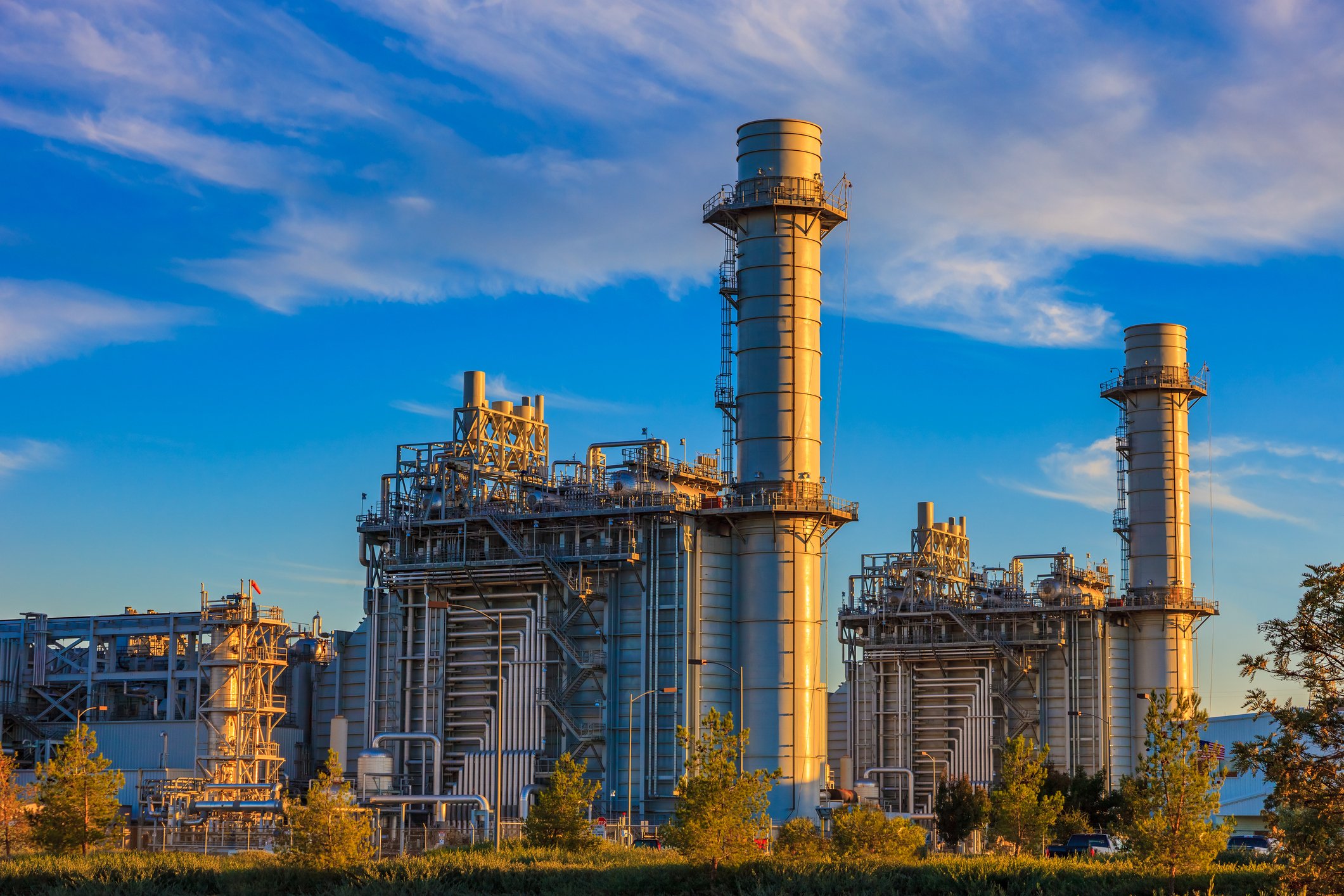
The company recently told investors about "the substantial completion of Train 6 of the Corpus Christi Liquefaction (CCL) Stage 3 Project in Texas." LNG trains are "trains" of independent equipment that take natural gas and convert it into LNG for export. The more trains, the more LNG export capacity.

NYSE: LNG
Key Data Points
Cheniere plans seven additional mid-scale trains for CCL, adding more than 10 million tonnes per annum (mtpa) and raising CCL's capacity above 25 mtpa, as well as the overall company capacity to 55 mtpa. Another two trains (8 & 9) will add 5 mtpa by the end of 2028, and expansion projects at Sabine Pass (SBL) mean the company has "line of sight to potentially surpass 100 mtpa of LNG production capacity by the mid-2030s."
For reference, Qatar exported about 110 mtpa via the Strait in 2025.
Why it matters to investors
Cheniere de-risks its expansion projects by signing long-term offtake agreements before making an investment decision, so one of the greatest risks in its business is the execution and timing of expansions. As such, the news that CCL is on track is excellent.
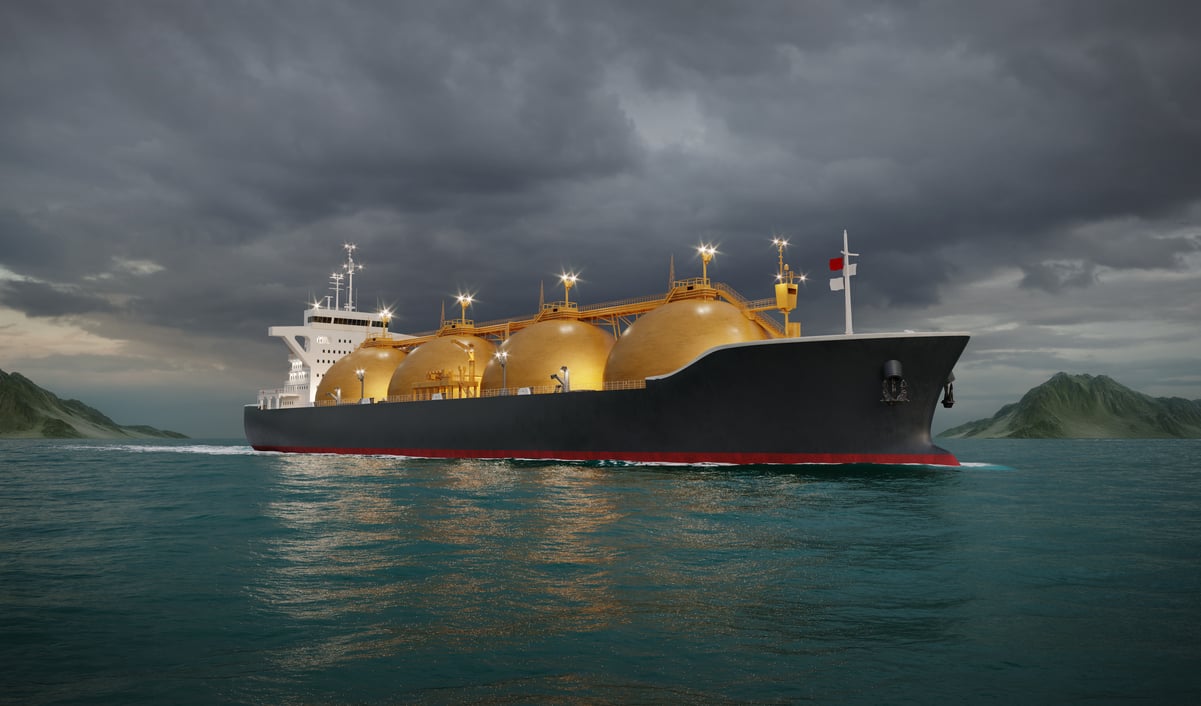
Image source: Getty Images.
Moreover, thinking longer-term, a reopening of the Strait will obviously ease concerns about LNG supply. Still, it will take years for Qatar to fully restore the 17% of its capacity damaged by attacks. In addition, energy companies usually sign long-term LNG supply contracts, and they might not be as willing to do so with Qatar/UAE now, given the ongoing instability in the region and Iran's demonstrated ability and willingness to close the Strait. And there's the question of insurers charging extra premiums for shipping through the Strait.
As such, even if a ceasefire holds and the Strait is permanently reopened, the threat of future disruption may still confer a competitive advantage on Cheniere. It may also negatively affect Qatar's financial viability in pursuing its own expansion plans.