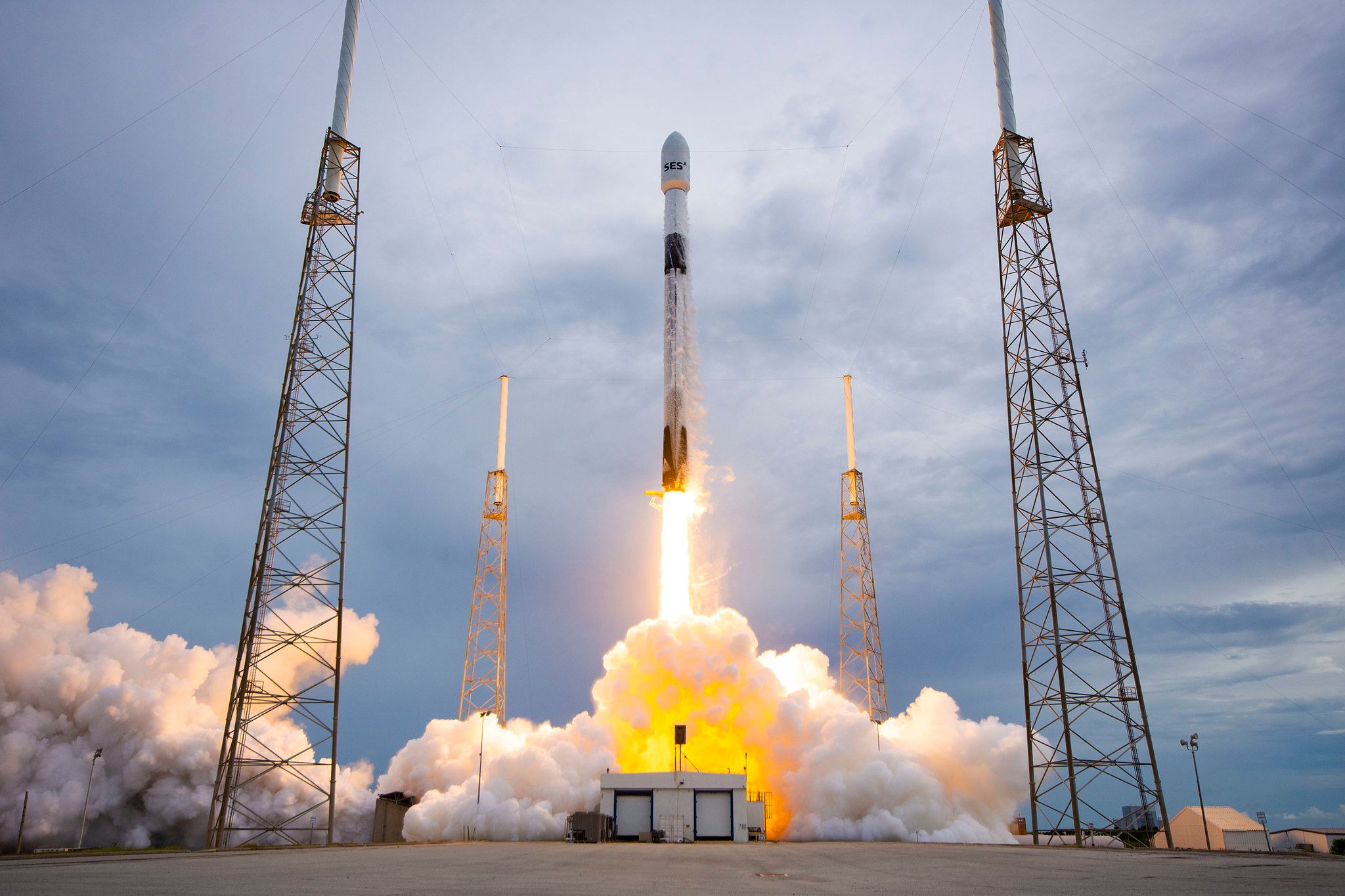
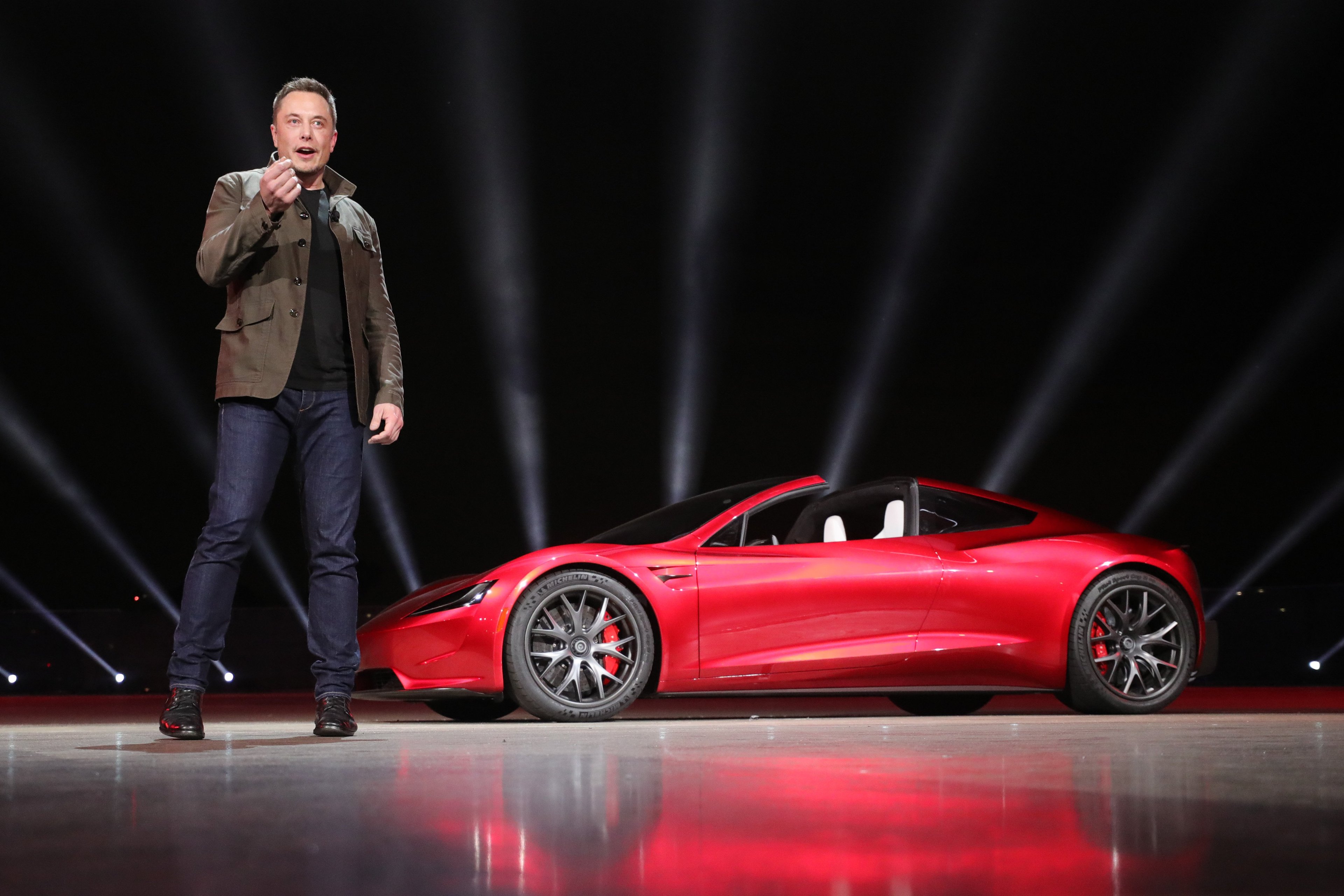
After raising $86 billion two weeks ago with its record-breaking initial public offering (IPO), Space Exploration Technologies (SPCX -9.14%) is planning to issue $20 billion worth of bonds. The company -- also known as SpaceX -- has already announced two new deals since the IPO, including the acquisition of artificial intelligence (AI) coding company Cursor, and a deal with open-source model company Reflection AI, which will rent data centers for $6 billion.
The company is in motion, and clearly, it has a lot more planned. What does this mean for shareholders?
SpaceX is raising money, again
In the press release about the debt issuance, management said it would use the proceeds to pay off a bridge loan and that anything remaining would be used for general corporate purposes. It's issuing notes, which have shorter maturities than bonds, and it's targeting institutional buyers and investors outside the U.S. The notes are unsecured, meaning they have no collateral to back them up.

Image source: Getty Images.
Most glaringly, but unsurprisingly, management pointed out that the notes "rank equally in right of payment with all existing and future unsubordinated indebtedness, liabilities and other obligations of SpaceX." That means they rank ahead of the shiny new SpaceX shareholders in the order of payments. So while they don't dilute shareholder value, they do take precedence, although that's mostly limited to an unlikely bankruptcy.
Does it spell trouble?
Since SpaceX is using the cash from the IPO to make important purchases to grow its business, it's using the notes to reorganize its debt instead. The bridge loan for $20 billion comes due in September 2027, and this gets it out of the way.
Management had said in its original filings that it may seek to issue notes to pay it off, and said that it has sufficient funding to operate for the next 12 months. Unless something changes, it isn't likely to keep raising money in the short term.
SPCX Space Exploration Technologies
NASDAQ · As of 4:00 PM ET 10/22/26
So no, I wouldn't say this spells trouble for shareholders; it's a fairly common financial tactic. They should be more wary of SpaceX's spending and net loss. All of the hyperscalers have been spending at a fast clip to stay in the AI race, and SpaceX is doing the same for its AI segment, xAI.
Management sees its greatest market opportunities in AI, which is losing money rapidly today; it reported a $2.5 billion loss on $818 million in sales in the first quarter and $10 billion in capital expenditures.
SpaceX enthusiasts, in fact, might be excited about all of the money raised because it indicates momentum and potential.