Tesla (TSLA -1.22%) is still one of the most important automakers in the world, even though investors are currently focused on Elon Musk's other public company, Space Exploration and Technologies Corp (SPCX +0.52%). That said, Tesla's stock has been holding up fairly well over the past year, rising around 17% as of this writing, just shy of the 18% gain for the S&P 500 index (^GSPC -0.06%).
Most investors expect the market to return 10% a year, on average, so it is hard to complain about 17%. Still, GE Vernova's (GEV -0.79%) stock price has doubled over the past 12 months as of this writing. And Caterpillar (CAT -0.14%) shares have risen by more than 150%. Can these two industrial giants, which aren't nearly as headline-grabbing as Tesla, keep up the outperformance?

Image source: Getty Images.
Cat and GE Vernova have huge backlogs
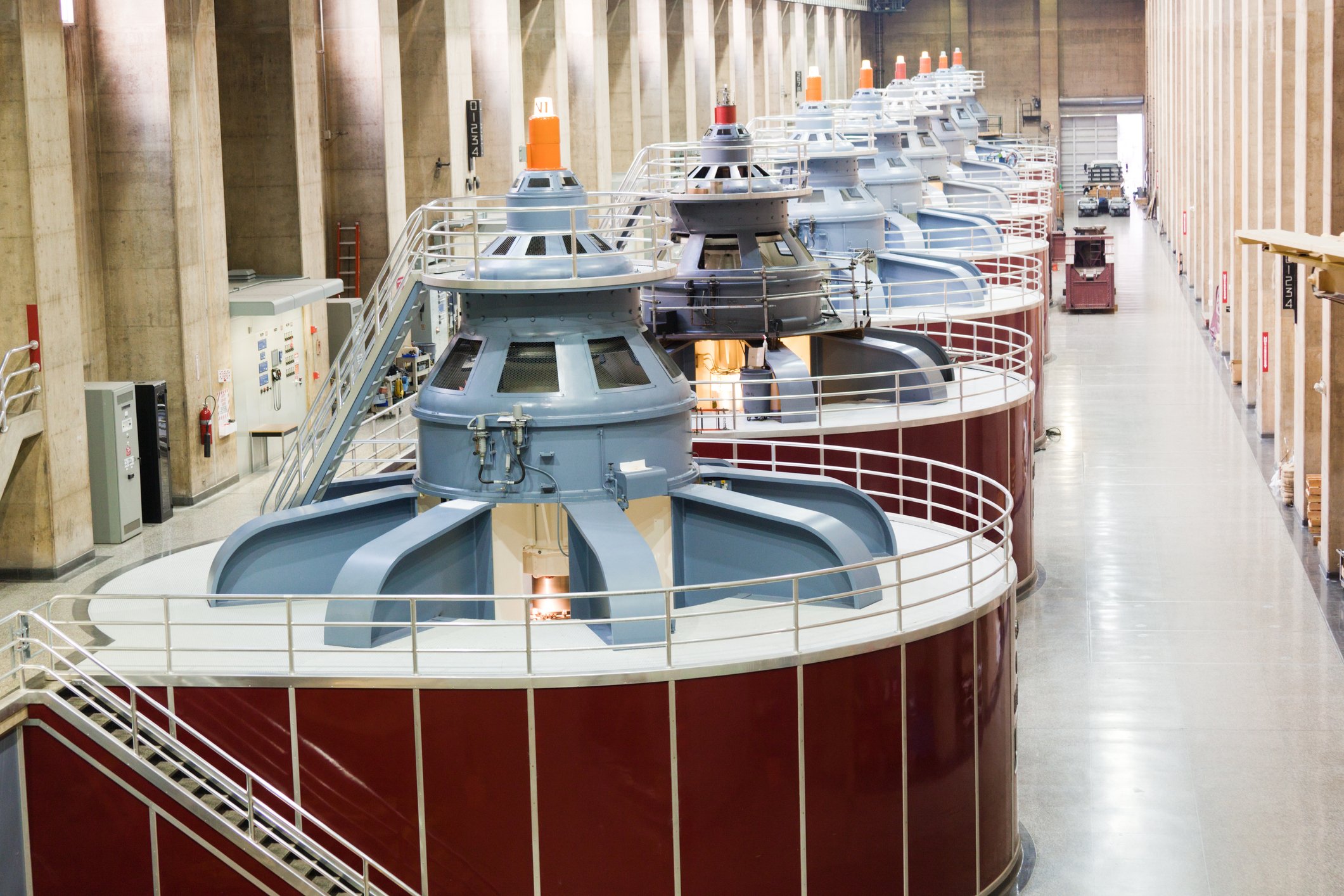
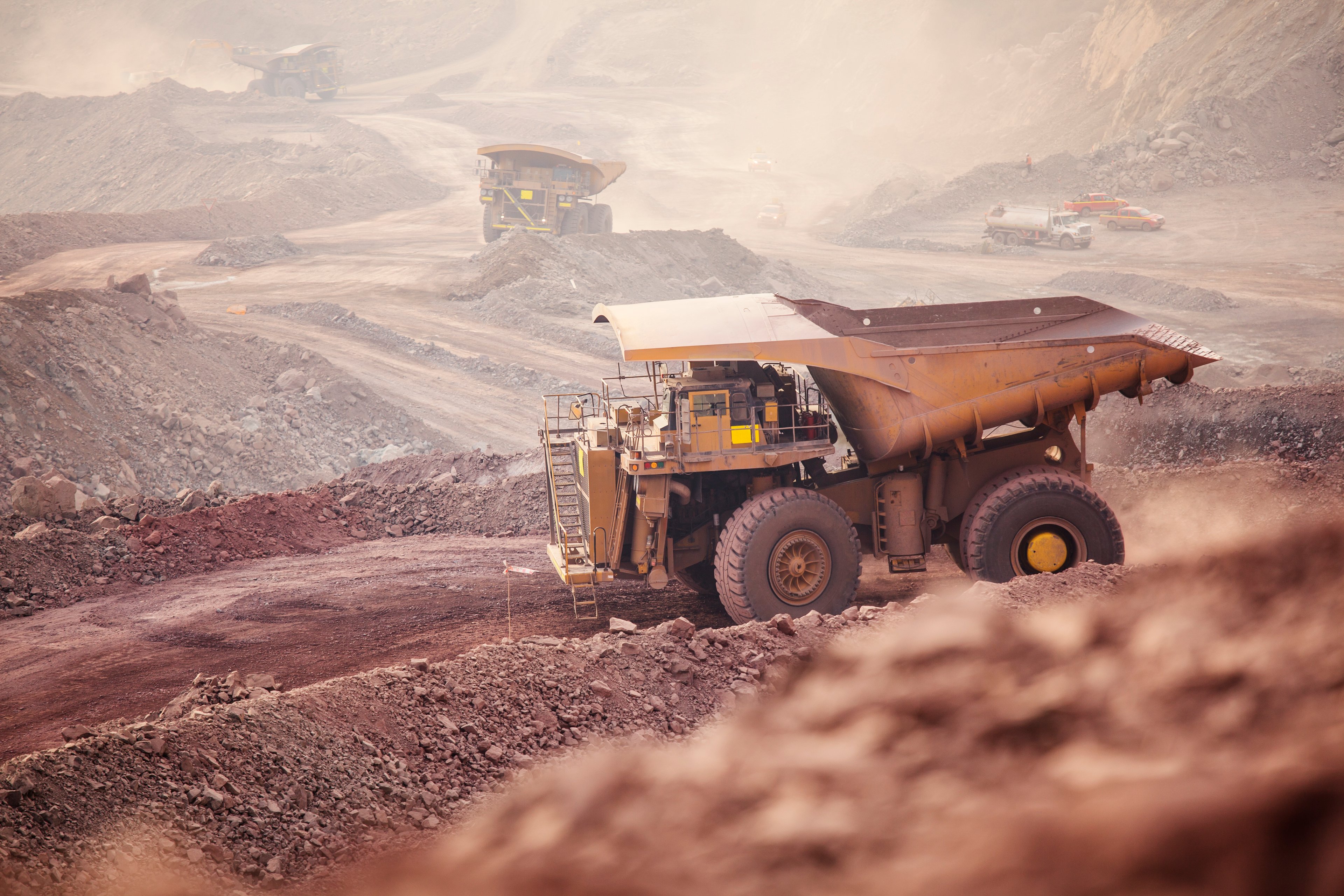
Caterpillar makes massive earth-moving equipment and generators for creating energy in remote areas. GE Vernova makes the turbines used to generate power, along with other vital energy-producing and storing systems. They are both massive industrial businesses, with Cat supporting a $450 billion market cap and GE Vernova supporting a $280 billion market cap.
That said, the products these companies make take a long time to build. So customer orders are usually placed well in advance. At the end of the first quarter of 2026, Cat had a record backlog of $63 billion. That was up 79% year over year. GE Vernova's backlog stood at $163 billion at the end of the first quarter. While backlog orders can end up being canceled if business activity slows down during a recession, the huge backlogs these two companies have speak to a very strong operating environment.

NYSE: CAT
Key Data Points
From a business perspective, there's no particular reason to believe either company will suddenly face severe hardship. Moreover, both lean into the significant demand for power driven by technologies such as artificial intelligence and electric vehicles. Caterpillar's earth-moving equipment is needed to build data centers and power plants, while its generators can provide power directly to data centers. GE Vernova sells turbines that utilities use to generate power, among other products. With electricity demand expected to increase by 60% between 2025 and 2045, these businesses are well-positioned for success.
Stock prices and business fundamentals don't always align
The problem here is that, sometimes, Wall Street gets too excited about a company's business prospects. When that happens, shares are bid up to levels that discount the good news. Basically, the price already assumes all of the good news, even if it hasn't happened yet. And that can create material risk for shareholders. With GE Vernova up 100% in a year and Cat up 150%, you need to consider both the business and the valuation before buying.
The big problem here is Caterpillar, which has a price-to-sales ratio of 6.6x versus a five-year average of 2.5x. The price-to-earnings ratio is roughly 50x compared to a longer-term average of about 19x. It looks rather expensive right now. If you don't own it, you may want to keep it on your wishlist. During the next bear market, the price is likely to be far more compelling than it is today.

NYSE: GEV
Key Data Points
GE Vernova is a bit more difficult to value because it has been a stand-alone business for only a few years. Its P/S ratio is 7.2x, and its P/E ratio is 30x. Neither of those figures is low on an absolute basis, so it would be hard to call the stock cheap. And management just increased its full-year guidance after just a single quarter, so the business is operating very strongly. Still, most investors should probably tread with a little caution. If Wall Street's mood shifts in a negative direction, this high flyer is likely to get caught in the downdraft.
One to watch and one to consider
As businesses, both Cat and GE Vernova are likely to remain strong performers over the long term. But Wall Street doesn't always get price and value right over the short term. Between Cat and GE Vernova, GE Vernova is probably the more appealing choice right now. But given the lofty valuation on an absolute basis, it would be advisable to build a position over time rather than jumping in with both feet. Cat is probably best kept on the wishlist for now.