SpaceX (SPCX +0.45%) stock has been incredibly volatile in the weeks following its groundbreaking IPO.
In many ways, this was expected. The company sold less than 5% of its total outstanding shares during its public sale. That means just a tiny fraction of the company is available for public purchase -- a dynamic that can lead to sudden supply-and-demand imbalances. Most major companies, for comparison, have at least 80% of their outstanding shares trading on public markets.
After pricing its IPO at around $135 per share, the stock immediately soared well above $200 per share. SpaceX shares tumbled in the days to come, bottoming out around $150 per share.
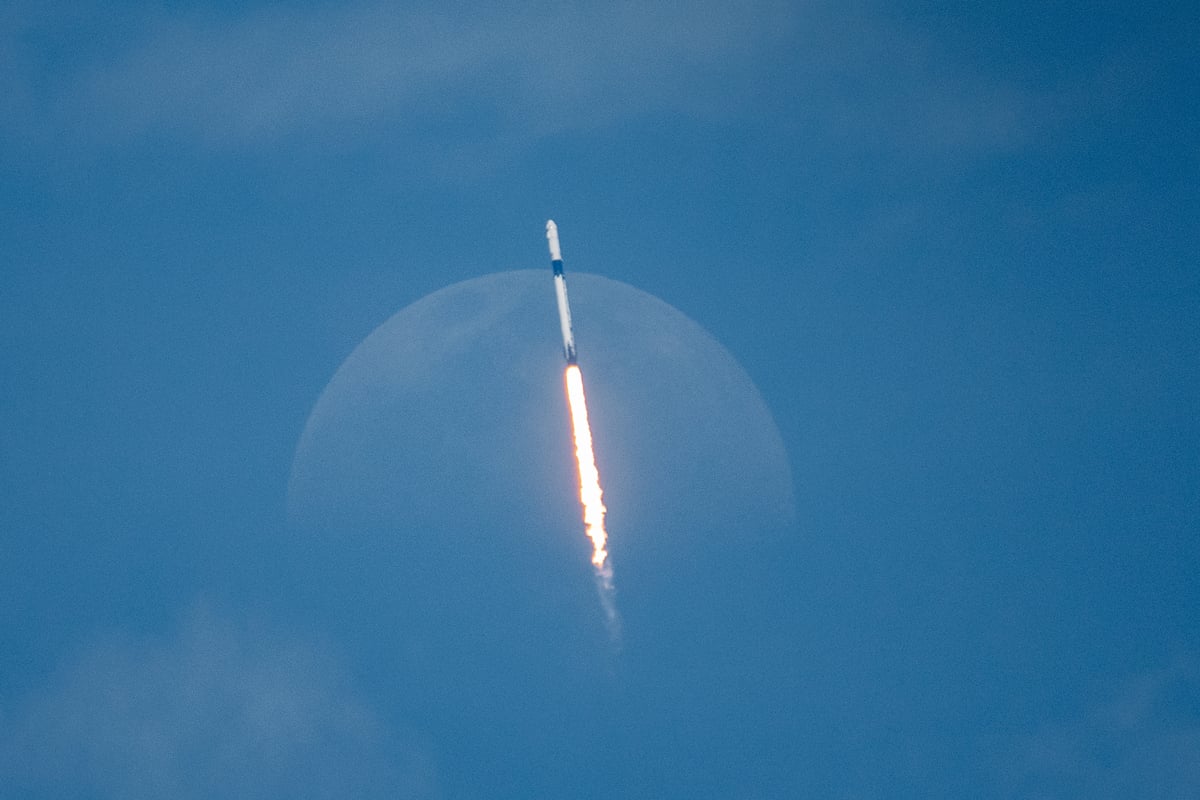
Image source: Getty Images.
Right now, however, a rebound is taking place. With the stock crossing above the $170 mark as of this writing, how much upside does Wall Street see remaining? You might be surprised by the answer.

NASDAQ: SPCX
Key Data Points
Here's what Wall Street thinks about SpaceX stock right now
Currently, just seven Wall Street analysts cover SpaceX stock. The predictions are all over the place. The average price target over the next 12 months is roughly $222 -- implying around 30% upside from today's levels. The low estimate is around $115 per share, implying more than 30% downside. The highest price target comes in around $400. SpaceX stock would need to rise more than 130% to reach that estimate.
Not included in the above aggregate numbers is a report from the research firm Morningstar, released just before the IPO. While Morningstar didn't include a formal price target, it did reveal that its independent analysis concluded SpaceX is worth just $63 per share -- nearly two-thirds less than the prevailing stock price.
"Even at $63 per share," the firm warns, "we give SpaceX a lot of benefit of the doubt in two of the three scenarios, in which we assume the company can achieve a rapidly reusable Starship rocket enabling multiple launches per week and successfully commercialize data centers in space. Neither of these engineering problems has been solved, and we don't expect them to be until at least 2028."
With estimates ranging from $63 per share to $401 per share, investors should quickly realize that they cannot blindly trust the guidance of just any "expert." It's important to review multiple analyses and come to your own conclusions. That's especially true for a controversial stock like SpaceX.