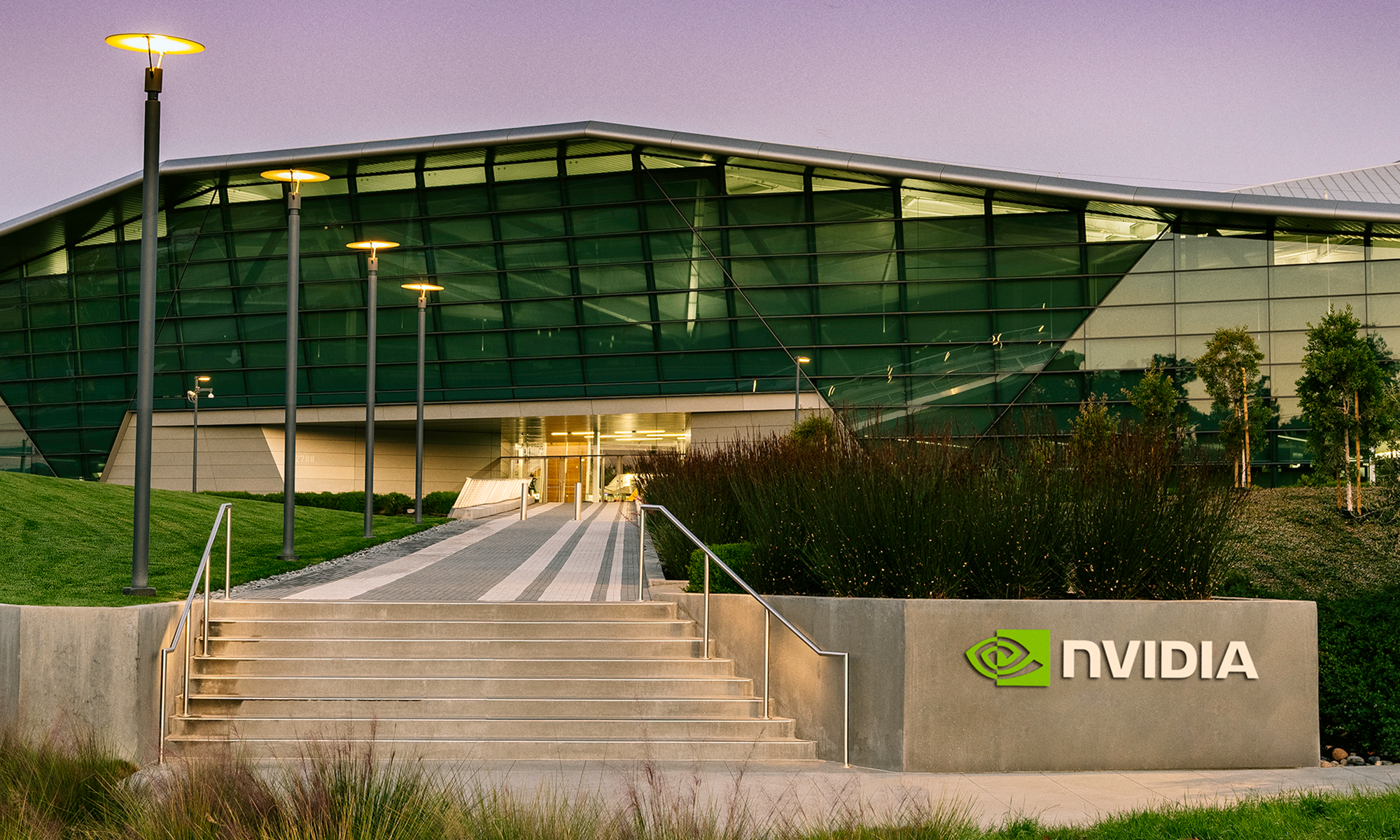
Right now, Nvidia (NVDA +1.09%) is on top of the world.
Not only is the semiconductor company the largest in the world by market capitalization, but it's also posting growth numbers that would make most small tech start-ups envious. In the most recent quarter alone, Nvidia increased its revenue by 74.6% and its net income by a jaw-dropping 120.7%.
But can the company keep this up over the next five years? Where will Nvidia stock be in five years?
Image source: Getty Images.
The short answer, of course, is that it depends on many factors, many of which are outside the company's control. That said, the company looks likely to continue its domination of the high-end processor space, and I expect its shares to increase at least 50% over the next five years and would bet even money on them to double (or more).
Continued dominance
Right now, Nvidia's monster growth is being driven by AI spending. Much of that spending is by AI hyperscalers like Google parent Alphabet and fellow tech giant Microsoft. However, there are concerns about whether that level of spending is sustainable over the long term, given the resource-intensive nature of operating AI. If AI spending begins to plateau in the coming years, Nvidia's growth will likely falter, and investors will probably sell off the stock.
Here's the thing, though: The AI build-out needs Nvidia and its top-of-the-line processors and other infrastructure, but Nvidia doesn't necessarily need AI to succeed.

NASDAQ: NVDA
Key Data Points
Before AI, Nvidia already offered superior processing power through its graphics processing units (GPUs), which were the best at processing complex computer graphics, and the stock went up. Then, people discovered that Nvidia's superior GPUs were the best at powering cryptocurrency mining, and its stock price increased even more. Now its GPUs are proving indispensable for AI computations, and the stock has exploded higher.
Whether or not AI fizzles, powerful processing chips will still be required for the next big thing (quantum computing?). And Nvidia is likely to dominate that market, too.