The Digital Asset Market Clarity Act (Clarity Act) continues to draw its fair share of skeptics as it moves through the arduous process of becoming law. One of the most vocal critics is Jamie Dimon, CEO of JPMorgan Chase (JPM -0.51%), who has argued that some of the legislation's stablecoin rules could "blow up" the system.
So what is it about stablecoins that the traditional banking industry doesn't like?
New risk factors
It's not that Jamie Dimon is against the concept of stablecoins, which are simply "digital dollars." After all, JPMorgan Chase has already experimented with tokenized deposits, programmable money, and other innovations made possible by decentralized finance (DeFi). The growing consensus is that stablecoins can enable faster payments, shorter settlement times, and more streamlined cross-border money flows.

NYSE: JPM
Key Data Points
The problem, quite simply, is that stablecoins come with risks that the Clarity Act does not address. Analysts at the financial giant recently laid out these risk factors in a June 29 position paper.
The primary risk is that stablecoins might be allowed to play by a whole different set of rules than traditional banking products. For that reason, JPMorgan Chase has argued that stablecoins must be subject to the same capital, liquidity, and anti-money laundering rules as traditional bank deposits. If these safeguards and protections are not specifically written into the Clarity Act, then they are likely to be ignored.

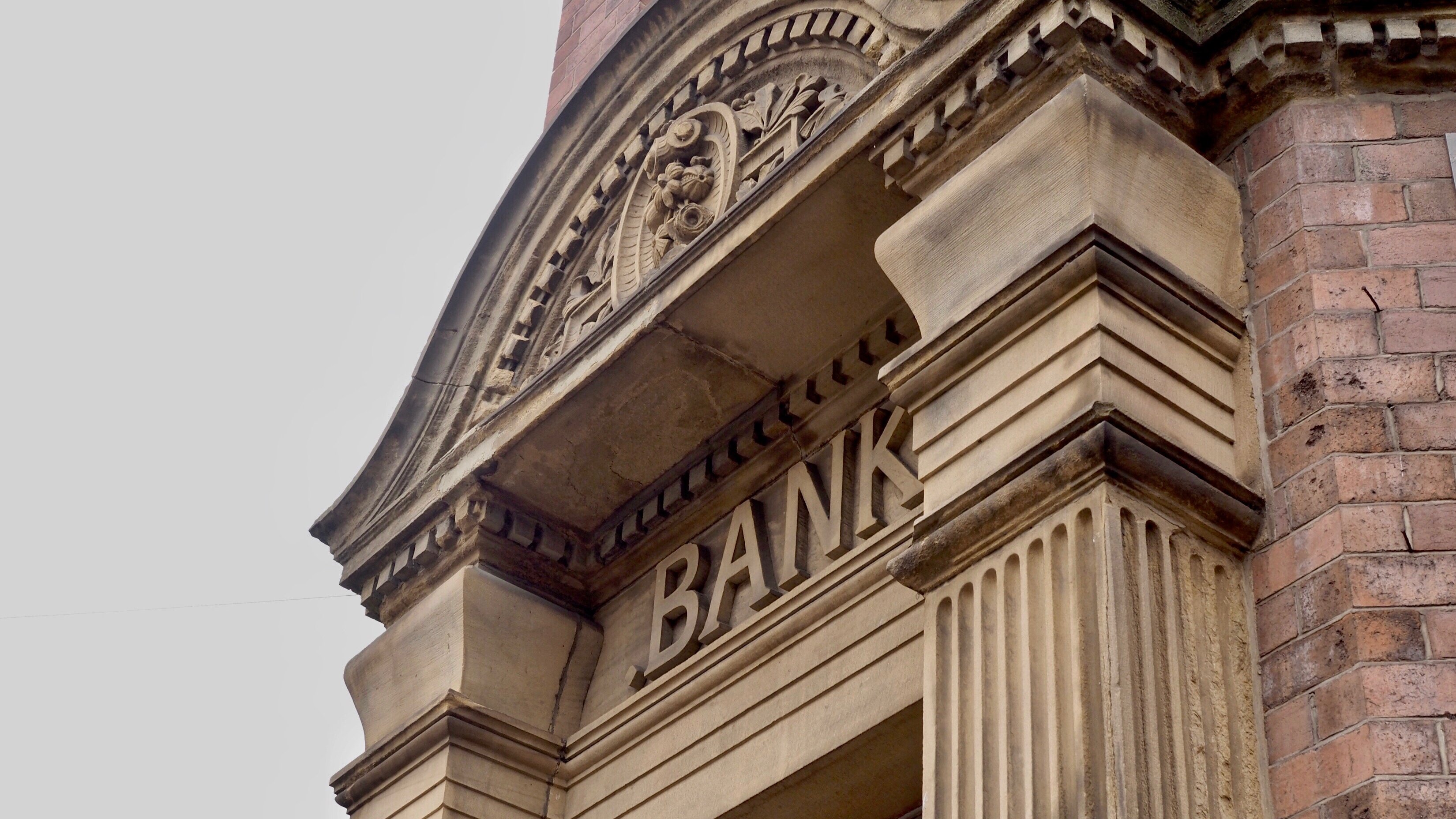
Image source: Getty Images.
To understand why Jamie Dimon has become such an outspoken critic of stablecoins, consider that many stablecoin yield products are designed to look and feel just like traditional bank deposits. However, they are not bound by the same rules and do not come with the same consumer protections. In other words, if a stablecoin suddenly loses its peg, investors will find out the hard way that the government is not going to come to their rescue.
In the event of a major financial crisis (such as a bank run), the results could be catastrophic. As Dimon warns, stablecoins could literally "blow up" the system. This is something that academics and regulators have been warning about for years. Most recently, the European Central Bank warned that stablecoins could bring down the entire monetary system.
Are these risks overblown?
Certainly, stablecoins involve some risk. Despite their name, they are not always "stable." Investors saw that in the previous crypto bear market, when a popular stablecoin lost its peg, with disastrous consequences.

NASDAQ: COIN
Key Data Points
However, are these dire warnings about stablecoins just a clever attempt by the traditional banking industry to avoid being disrupted by their crypto competitors? That's the case Coinbase CEO Brian Armstrong has repeatedly made, suggesting that the banking industry will stop at nothing to prevent new stablecoin products from going mainstream.
Hopefully, a compromise can be found. If Congress can sign the Clarity Act into law this year, it could be off to the races for the crypto industry. And that could augur well for stablecoins, which are already a $300 billion industry.
For the sake of investors everywhere, let's hope that the proper safeguards are put into place sooner rather than later.