The semiconductor industry is the beating heart of the artificial intelligence (AI) boom. Developing this revolutionary technology wouldn't be possible without advanced data center chips and components from suppliers like Nvidia, which have experienced a meteoric rise in value over the last few years.
However, concerns about the sustainability of the AI infrastructure spending boom are mounting, so the PHLX Semiconductor Sector Index has tumbled by almost 20% from its recent all-time high. Therefore, investors with significant exposure to this area of the stock market might want to consider diversifying.
The Vanguard Value ETF (VTV +0.44%) is an exchange-traded fund (ETF) that exclusively invests in America's largest value stocks, and since just 13% of its portfolio is parked in the technology sector, it could be the ultimate buy as the high-flying AI trade stumbles.

Image source: Getty Images.
A collection of America's best value stocks
The Vanguard Value ETF tracks the CRSP Large Cap Value Index, which holds the 309 largest value stocks in the U.S., ranked by market capitalization. These companies usually generate steady revenue growth and robust profit margins, and many consistently return money to shareholders through dividends and share buybacks.
The Vanguard ETF invests across 11 different economic sectors, just like the S&P 500 (^GSPC +0.59%) index, but it's far more balanced. While the S&P 500 has more than a third of its portfolio parked in technology stocks alone, here is the composition of the Vanguard ETF:
|
Sector |
Vanguard ETF Portfolio Weighting |
|---|---|
|
1. Financials |
20.5% |
|
2. Industrials |
16% |
|
3. Technology |
13.4% |
|
4. Healthcare |
13.1% |
|
5. Consumer discretionary |
8.1% |
|
6. Consumer staples |
7.7% |
|
7. Energy |
7.3% |
|
8. Utilities |
5.3% |
|
9. Telecommunications |
3.5% |
|
10. Real estate |
2.7% |
|
11. Basic materials |
2.4% |
Data source: Vanguard. Sector weightings are accurate as of May 31, and are subject to change.
The Vanguard ETF does have some exposure to the technology sector. Micron Technology is actually its largest position with a portfolio weighting of 4.1%. While it might seem like a growth stock because of its blistering 12-month return of 662%, it manufactures commoditized chips and components, so its business is normally very cyclical. In fact, I've recently explored why its latest growth phase might be running out of steam.
The second-largest holding in the ETF is JPMorgan Chase, one of the world's top investment banks known for its wealth management and corporate banking divisions. Its stock has returned a modest 14.4% over the past year, so it isn't a hypergrowth name like Micron, but it offers investors a steady income stream thanks to its 1.8% annual dividend yield.
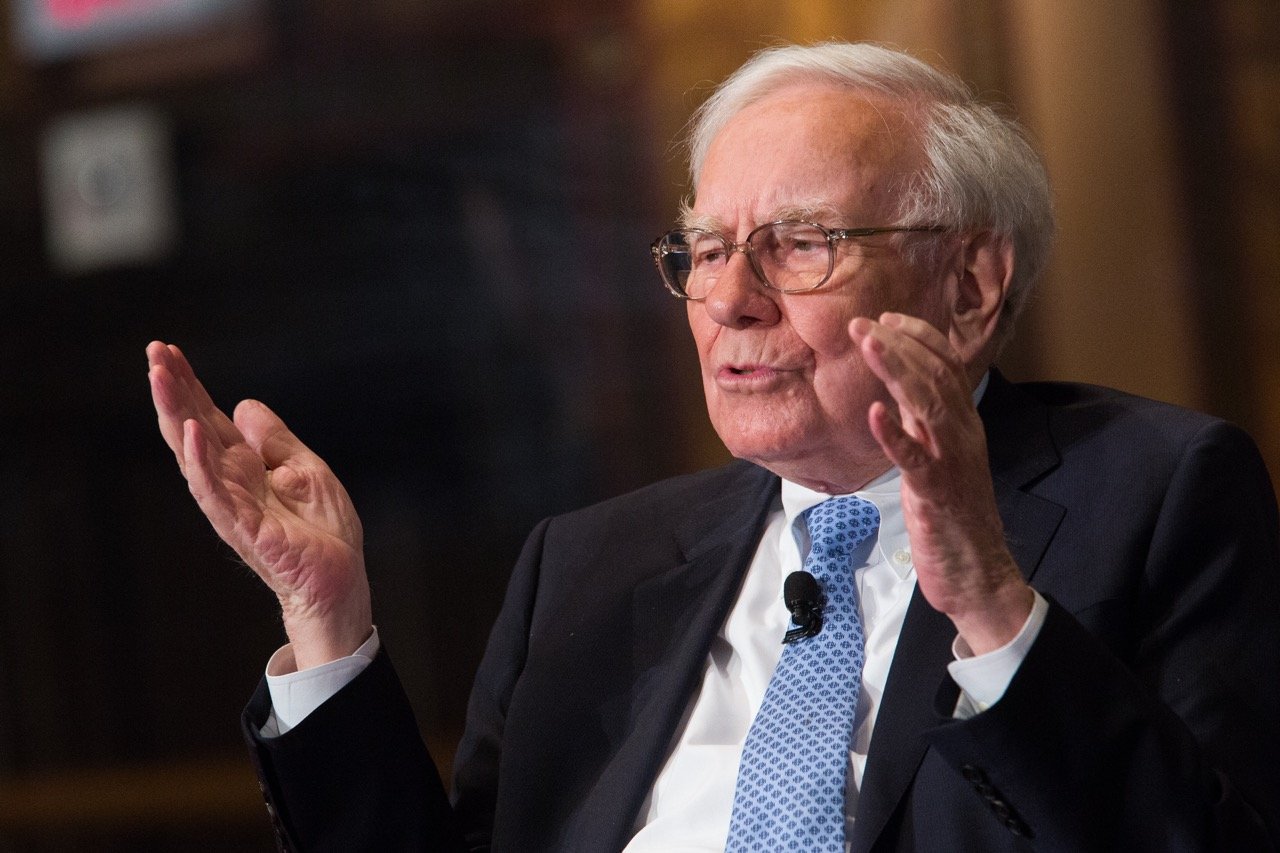
Berkshire Hathaway is the third largest position in the ETF. Its stock delivered an incredible compound annual return of 19.7% under former CEO Warren Buffett between 1965 and 2025. He was never a fan of paying dividends, but he did return money to shareholders through hundreds of billions of dollars in stock buybacks. Buffett continues to serve as Berkshire's chairman, and his chosen successor as CEO, Greg Abel, spent 25 years at the company before taking the reins.
Value stocks like Johnson & Johnson, Walmart, and Caterpillar are also among the top 10 holdings in this Vanguard ETF.
Investing isn't always about shooting the lights out
The Vanguard Value ETF has delivered a compound annual return of 9.6% since its inception in 2004, whereas the S&P 500 generated a much higher average return of 10.9% per year over the same period. Its lower exposure to the technology sector explains most of the underperformance, but sometimes generating the fastest possible return isn't the most important factor when selecting an investment.

NYSEMKT: VTV
Key Data Points
The Vanguard Value ETF has beaten the S&P 500 in two key areas. First, it has an annual dividend yield of 1.9%, nearly twice that of the S&P 500. Second, the Vanguard ETF tends to perform better during periods of heightened volatility. The S&P 500 plunged by as much as 25% during its last bear market, which started in 2022 and ended in 2023, whereas the Vanguard ETF suffered a much smaller loss of 18%.
High-growth technology stocks tend to decline more sharply than the broader market during volatile periods, as investors cash in their previous gains and reduce risk. Since the Vanguard ETF has relatively low exposure to that market segment, it tends to hold up better than indexes like the S&P.
Therefore, if the next major downturn in the broader market is led by a further correction in AI stocks, I think the Vanguard ETF could be a great place for investors to park some money.