The DRAM - Roundhill Memory ETF (DRAM -3.49%), the first-ever exchange-traded fund (ETF) dedicated to memory stocks, came out of the gate strong, with the fund tripling from its $27 opening price when it debuted on April 2. However, more recently, the fund has pulled back, along with memory stocks, and is down more than 20% from its highs as of this writing.
With the fund well off its highs, is now the time to buy the ETF?

NYSEMKT: DRAM
Key Data Points
A concentrated bet on memory stocks
The DRAM - Roundhill Memory ETF is not your typical diversified fund, nor even a sector-specific fund. It's a highly focused play on the memory market, especially DRAM (dynamic random access memory) and, to a lesser extent, NAND (flash) memory. Nearly 75% of the ETF's holdings are concentrated in the big three DRAM makers: Micron (MU -1.73%), Samsung, and SK Hynix. The weightings of the three are currently pretty evenly spread out, with Micron the highest at 25.8% and SK Hynix the lowest at 23.7%.
All three DRAM makers are basically riding the same tailwinds. DRAM prices have soared as demand for high-bandwidth memory (HBM), a special form of DRAM, has taken off. HBM is packaged with graphics processing units (GPUs) and other AI chips to help optimize their performance. This demand is increasing even more with the rise of AI inference, which tends to be more memory-bound than compute-constrained. With inference expected to become the larger market than training, demand for HBM is expected to remain strong.
At the same time, HBM takes upwards of three times the wafer capacity of ordinary DRAM, which is helping exacerbate the current supply shortage. With the big three memory makers focused on higher-margin HBM, this has led all DRAM prices to skyrocket due to the current supply-demand imbalances.
The result is that all three companies have seen both their revenues surge and gross margins balloon. This isn't expected to let up soon, with SK Hynix CEO Kwak Noh-jung recently saying he expects the worst-ever DRAM supply shortage next year. He has predicted the market will remain supply-constrained beyond 2030.
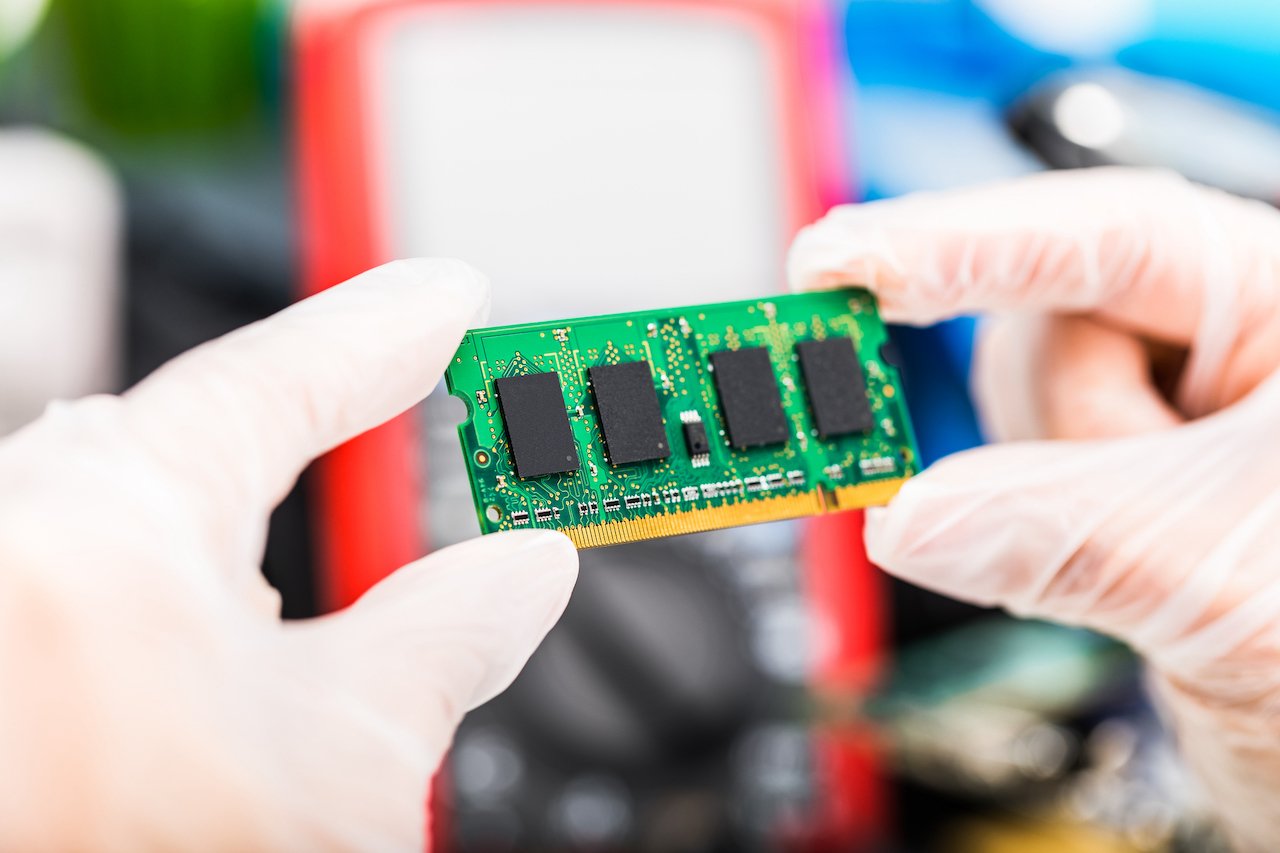
Image source: Getty Images.
This is a typically highly cyclical business, and the big three DRAM makers have also all been locking in longer-term contracts for the first time. This should help reduce some of the cyclicality of the business, and could help the stocks attain higher multiples.
The DRAM ETF is a great way to play the memory market, giving you exposure to not only the big three DRAM players but also NAND companies like Sandisk and Japanese company Kioxia, which are both looking to develop high-bandwidth flash (HBF). Notably, the ETF will sometimes use leverage and total return swaps, but this is largely done for tax purposes and as a way to quickly gain exposure to a stock. Roundhill offers a distinct leveraged version of the ETF, the Roundhill T-REX 2X Long DRAM Daily Target ETF, but I generally don't recommend leveraged ETFs.
All in all, this is an ETF I'd treat more as an individual stock, and I think it is a nice way to play the current DRAM supercycle, which looks like it could have some legs over the next several years.