The Federal Reserve is concerned about elevated inflation, and rightly so. After all, despite a cooler reading on inflation from this week's Consumer Price Index for June, inflation remains at 3.5% year over year, which is well above the Fed's 2% target.
And the recent resumption of the U.S.-Iran conflict is already sending crude oil prices higher again, which will bleed through to gasoline prices and likely send headline inflation higher again for July.
But for some Fed officials, that's not the inflation threat to worry about.
Speaking at the Exchequer Club of Washington this week, Fed Governor Lisa Cook said she voted at the June meeting of the monetary policy committee to keep the Fed's target interest rate steady because she believes the two main factors driving inflation higher at the moment -- tariffs and the conflict in the Persian Gulf -- should result in only short-lived increases in inflation.
Yet she still believes the overall risks remain "strongly weighted" toward higher inflation. Why?
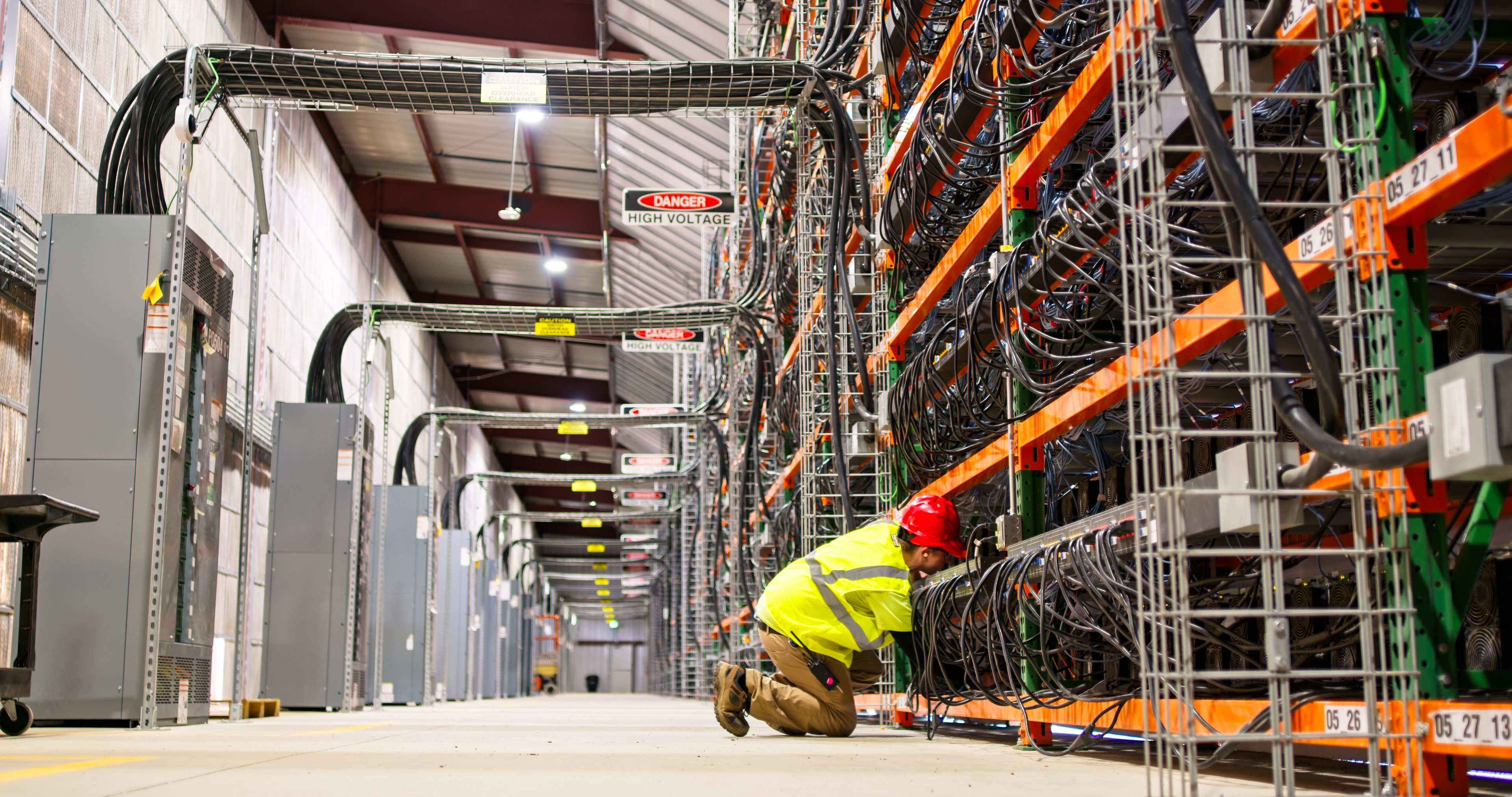
Image source: Getty Images.
The AI build-out is the Fed's newest inflation concern
The artificial intelligence (AI) build-out is the culprit.
Cook cited AI data center construction as a primary inflation concern, noting that companies have announced more than $1.5 trillion in AI data center plans, with additional AI-related capital expenditures, such as robotics, that could expand significantly in the coming years.
New York Federal Reserve President John Williams, probably the most important Fed official other than the Fed chair, agrees. Speaking at an event in New York recently, Williams said the surging demand for AI investment has the Fed on guard for new inflationary pressures.
And the minutes from the Fed's June meeting mention the inflationary impact of the AI build-out several times.
We're already seeing the impact of the AI revolution on other prices. For example, Apple recently raised prices on its laptops and iPads -- by hundreds of dollars for many products -- due to the soaring price of memory chips, which is itself the result of the massive demand for those chips from AI data centers.
Video game consoles, too, are becoming more expensive due to rising memory prices. Xbox consoles, made by Microsoft, will increase by $100 to $150 beginning Aug. 1 due to rising memory prices.
Smartphone prices are likely next. And then? Well, there are memory chips in all kinds of electronics and consumer goods. And modern cars require hundreds of memory chips to function.
So, we're beginning to see the impact of the massive AI build-out on consumer prices. That's what the Fed is beginning to worry about.
And it could rattle markets because data centers require much more than chips. Electricity and copper, two crucial inputs to the broader economy, are in high demand due to data center construction and operations. If the AI build-out sends those prices soaring, it will affect the entire economy, potentially driving inflation higher and consumer spending lower.
It's a growing concern for the Fed and one that should also be on investors' radar.