Two of the most talked-about trillion-dollar stocks have both stumbled lately. Space Exploration Technologies (SPCX +1.57%), also known as SpaceX, has slid below its offering price since its splashy debut, and Nvidia (NVDA +1.44%) has cooled after a red-hot run.
Both are pitched as ways to own the artificial intelligence boom, so which is the better buy after the pullback? For me, it is Nvidia, and the reasons come down to price, ownership, and focus.
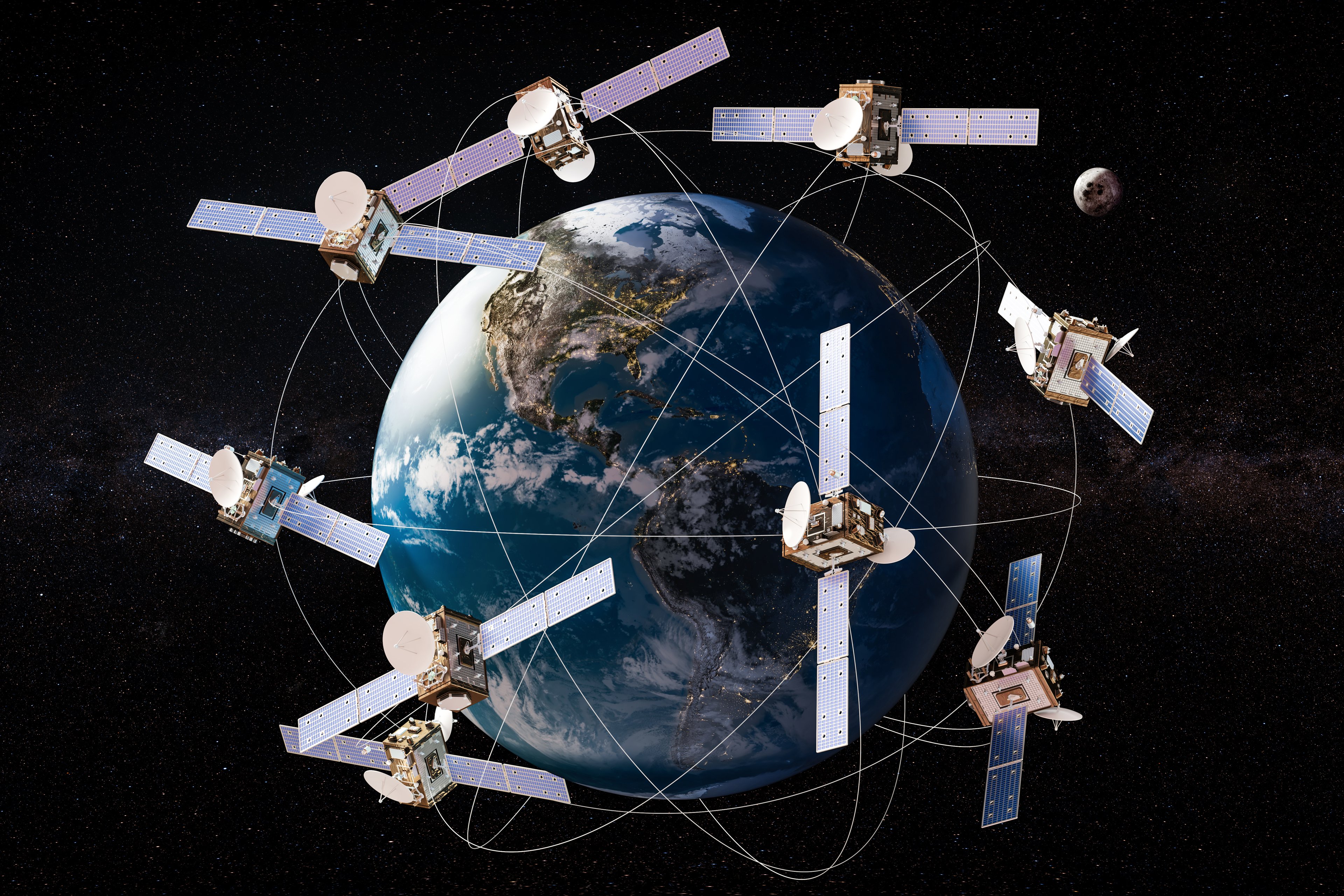
Image source: Getty Images.
1. The valuation gap is enormous
Start with what you pay. Even after falling below its IPO price, SpaceX carries a market value around $2 trillion, which works out to roughly 95 times its annual sales. That is a price built almost entirely on faith in the future.
Nvidia is larger overall at roughly $4.5 trillion, yet it trades at one of the more reasonable forward earnings multiples among the megacaps after its recent dip, and it backs that valuation with staggering profits. Its data center revenue alone recently topped $75 billion in a quarter, up more than 90% from a year earlier.
With SpaceX, you are paying up for hope; with Nvidia, you are paying for profits that already exist.

NASDAQ: NVDA
Key Data Points
2. Too much sits with insiders
Ownership matters, and here the contrast is stark. SpaceX is tightly controlled by Elon Musk and a small circle of insiders, with only a sliver of the company publicly available. That means ordinary shareholders own a minority stake with little say and must simply trust that management acts in their interest.
Nvidia, by contrast, is a widely held, liquid, transparent public company where no single person calls all the shots.
When most of a business sits in insider hands, minority investors tend to take what they are given, and I would rather own the company where public shareholders actually count.

NASDAQ: SPCX
Key Data Points
3. A good business, but spread thin
SpaceX is genuinely impressive, but it is stretched across an enormous range of ambitions: launching rockets, running the Starlink internet network, developing the giant Starship, chasing satellite-to-phone service, and, through its xAI arm, building chatbots and even orbital data centers. Each of those is capital-hungry, and the AI piece is just one bet among many.
Nvidia does one thing, and does it better than anyone: it makes the chips that power nearly the entire AI industry. For an investor who specifically wants AI exposure, the focused leader beats the sprawling conglomerate. Spreading resources across so many frontiers can produce dazzling breakthroughs, but it also means no single one gets the company's undivided attention, and it forces SpaceX to keep raising and spending enormous amounts of capital.
The other side of the trade
To be fair, SpaceX has optionality that Nvidia cannot match. Its Starlink connectivity opportunity alone is measured in the trillions, and if Starship and direct-to-cell deliver, the company could grow into its lofty price over time.
Nvidia is not risk-free either. It leans on a handful of huge customers, some of whom are designing their own chips, and the semiconductor business is cyclical. So this is not a case of one great stock and one bad one. It is a question of which offers the better risk-adjusted deal today.
After the pullback, Nvidia is the cleaner way to own artificial intelligence. You get the undisputed leader of the AI build-out, real and growing profits, a sensible valuation, deep liquidity, and a governance structure where your shares actually matter.
SpaceX is a fascinating company, but at more than 90 times sales, dominated by insiders, and spread across a dozen moonshots, it asks investors to pay a premium price for a diluted slice of the AI story. If I had to put new money into a single trillion-dollar AI stock right now, I would choose Nvidia and revisit SpaceX only if its price ever caught up to reality.