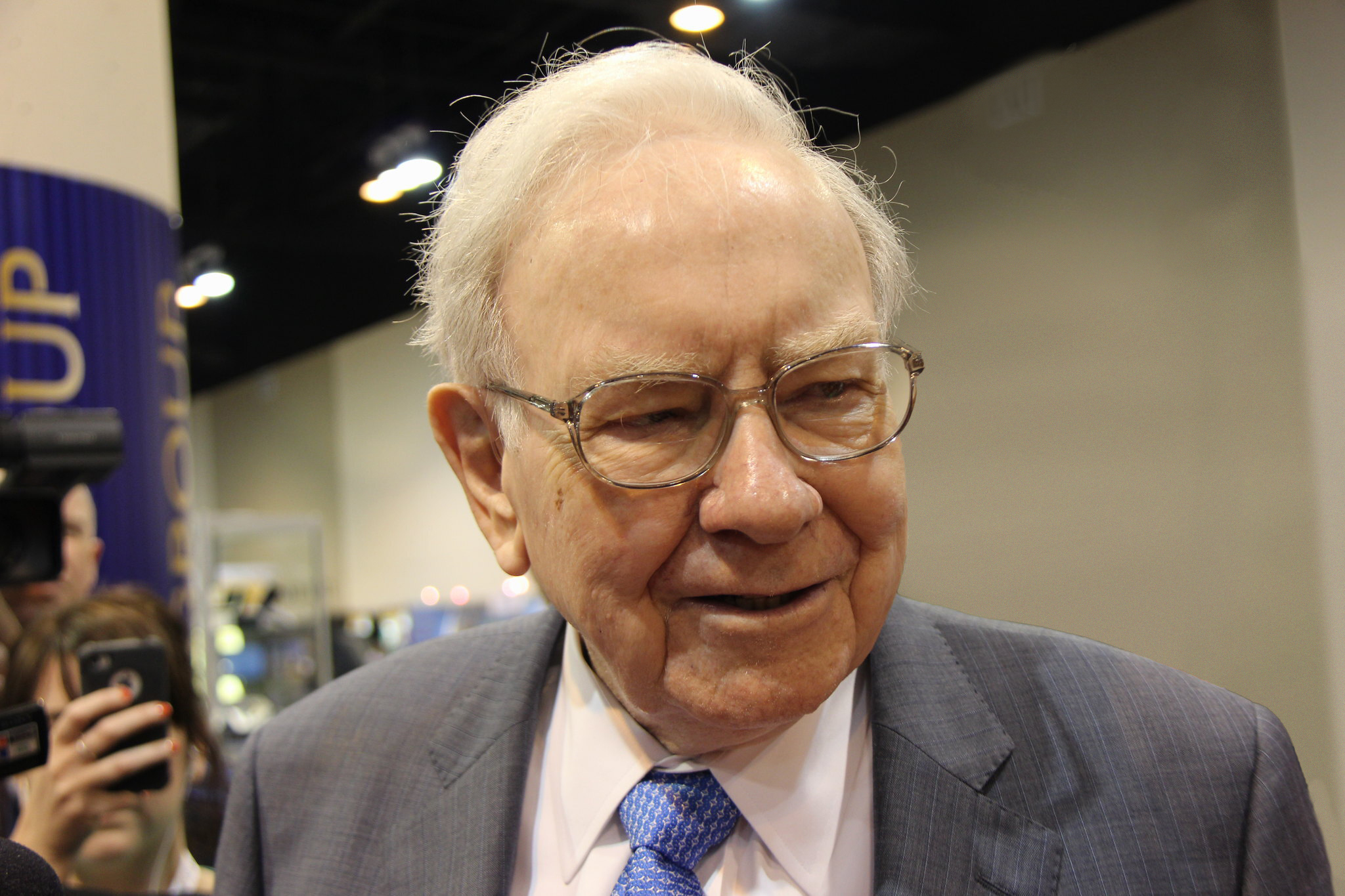
One of Wall Street's largest publicly traded companies, Berkshire Hathaway (BRKA -0.48%)(BRKB -0.41%), has entered a new era. With Warren Buffett officially retiring as CEO on Dec. 31, 2025, after more than half a century at the helm, it's his protégé, Greg Abel, now calling the shots.
Berkshire's more than five dozen owned companies more or less run themselves. The focus of Berkshire Hathaway's operating results tends to be on what, if any, moves have been made in the company's $352 billion investment portfolio. Although Abel has been an aggressive buyer of Alphabet (GOOGL -1.11%)(GOOG -1.05%) stock of late, stock market dynamics strongly suggest he was a net seller of equities in the second quarter.
If accurate, this would mark the 15th consecutive quarter that Buffett and/or Abel have sold more stocks than they've purchased.
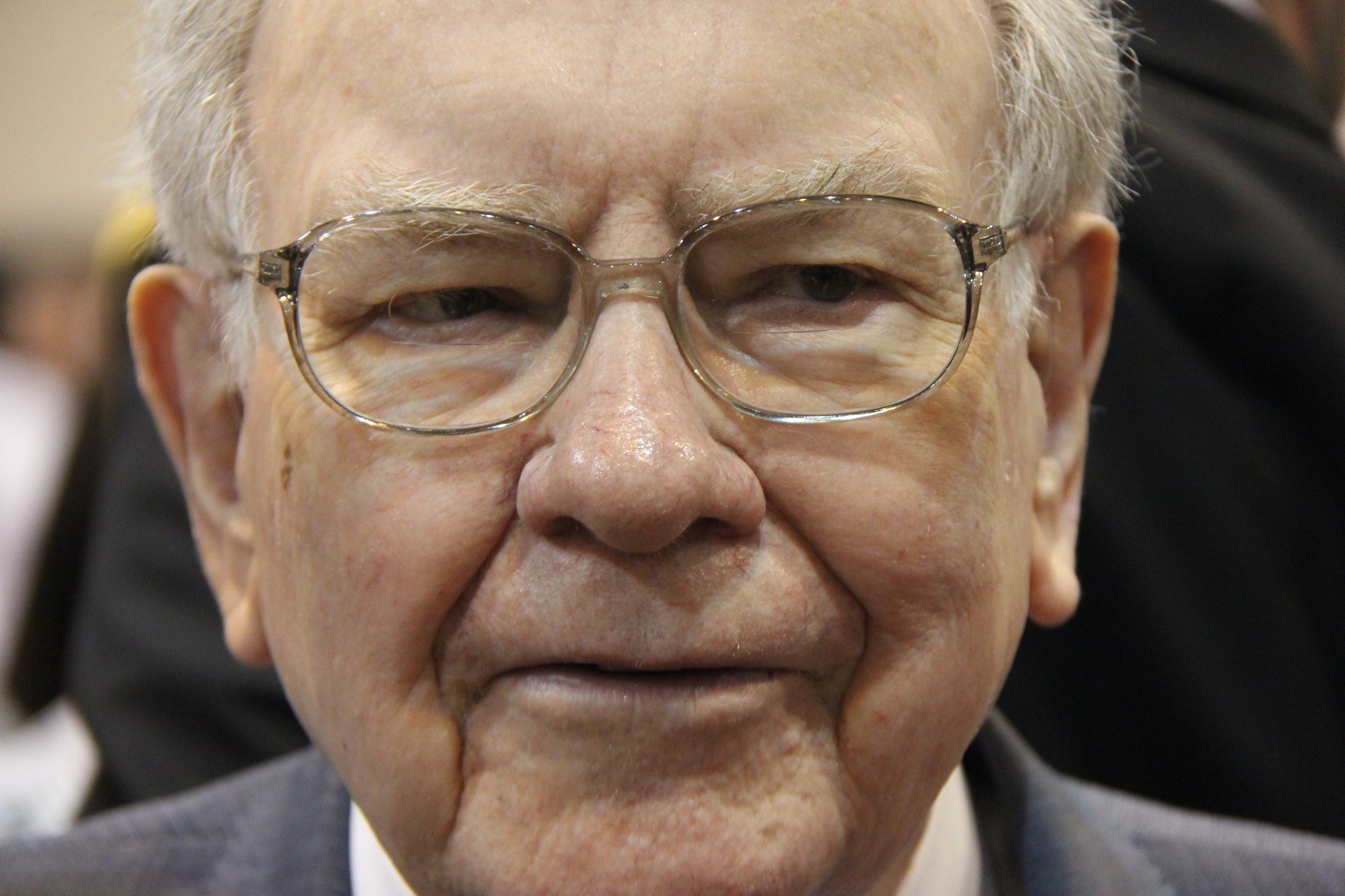
Warren Buffett retired as Berkshire Hathaway's CEO on Dec. 31. Image source: The Motley Fool.
Buffett and Abel have been persistent net sellers of stocks
As of March 31, Warren Buffett and Greg Abel had collectively sold approximately $194.8 billion more in stocks than they've purchased since Oct. 1, 2022. While some investors had postulated that Buffett was raising cash to give Abel a treasure chest to work with when he took over, the more likely catalyst behind this selling is the stock market's otherworldly valuation.
In a rare 2001 interview with Fortune magazine, the Oracle of Omaha referred to the market-cap-to-GDP ratio as "probably the best single measure of where valuations stand at any given moment." This ratio has since become known as the Buffett indicator.
Warren Buffett Indicator hit an all-time high of 239% last week, the most expensive stock market valuation in history 🚨🚨 pic.twitter.com/NoIMxNRGkP
-- Barchart (@Barchart) June 10, 2026
Since December 1970, the aggregate value of publicly traded companies divided by U.S. gross domestic product (GDP) has averaged 88%. In early June, the Buffett indicator peaked at 238.5%, or 171% above its long-term average.
Although Berkshire's bosses are unwavering long-term optimists who wouldn't bet against America, they're also sticklers when it comes to value and getting a good deal. Neither has been willing to chase historically expensive stock valuations, resulting in minimal buying and a current streak of 14 consecutive quarters of net selling.

Image source: Getty Images.
Google parent Alphabet is the wildcard
If my prediction ends up incorrect, the one puzzle piece responsible will be Abel's $10 billion private placement purchase of Alphabet's stock ($5 billion each in Class A (GOOGL) and Class C (GOOG)), unveiled on June 1. Berkshire hasn't officially announced if this private placement has closed.
Alphabet possesses the sustainable moat that Berkshire's former and current bosses appreciate. Google is a virtual monopoly in internet search, with more than 91% of global traffic in June 2026, according to GlobalStats. Alphabet is also the parent of YouTube, the second-most-visited social site on the planet, behind Google.
Google Cloud knocked it out of the park again. They're now at a ~$99B run rate growing 82% YoY. Another MASSIVE jump in YoY growth
-- Jamin Ball (@jaminball) July 22, 2026
Quarterly YoY growth trends below $GOOG pic.twitter.com/9pAJvuajmh
More importantly, Alphabet's cloud infrastructure services platform, Google Cloud, is a leader in artificial intelligence (AI) applications. Following the integration of generative AI and large language model solutions into Google Cloud, sales growth for this high-margin segment has gone parabolic. Alphabet recorded an 82% jump in Google Cloud revenue in the June-ended quarter.
Depending on when Berkshire's private placement of Alphabet stock closes, it's possible this dubious quarterly net selling streak will end. But with the stock market unwilling to retrace from nosebleed valuation territory, it's far likelier than Buffett's successor remained a net seller of equities in the second quarter.