You know the expression "burning a hole in my pocket?" It's an old phrase for the restless feeling some people get when they have extra cash. But spending money on a whim is no way to invest, and it could lead to bad habits that get you in trouble one day.
I think this is a problem Warren Buffett never had. Buffett led Berkshire Hathaway (BRKA +0.41%) (BRKB +0.43%) for six decades before turning the reins over to Greg Abel, its new CEO, at the beginning of the year. And during his tenure, Buffett built an impressive conglomerate that also holds an exceptionally large cash position.
How large? At the end of the first quarter, Berkshire's cash was a whopping $397.4 billion. Put another way, there are only two dozen companies in the entire S&P 500 with a market capitalization that's greater than Berkshire Hathaway's cash pile.
What are Buffett (who's now Berkshire's chairman of the board) and Abel waiting for?
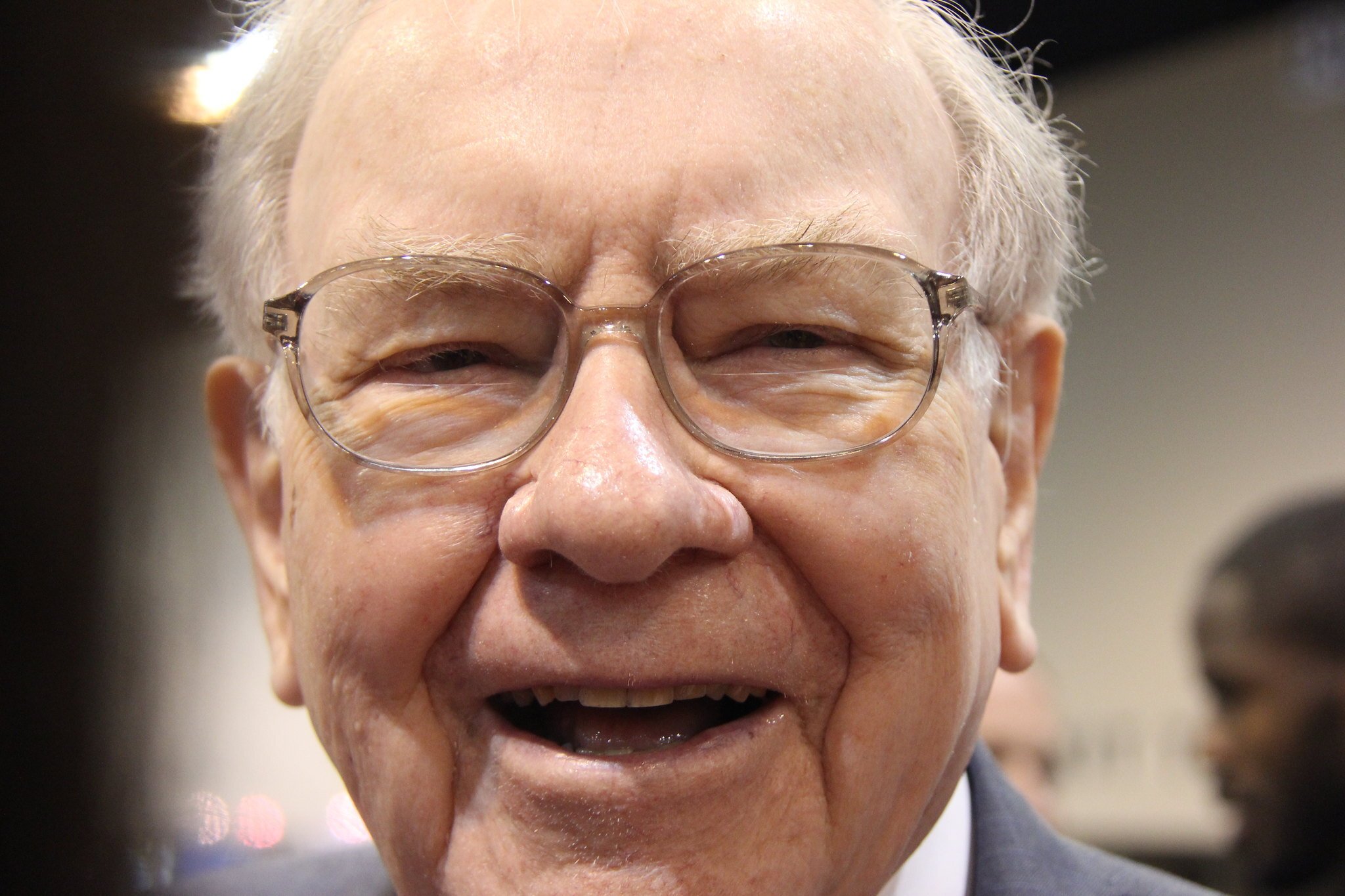
Berkshire Hathaway chairman of the board, Warren Buffett. Image source: The Motley Fool.
Berkshire's management wants to spend
In an interview with CNBC earlier this year, Buffett said he would rather have the company's money working rather than sitting in an account or in Treasury bills. "It's external circumstances," he said. "Believe me, if after we get finished talking, you say, 'I've got a great $100 billion new idea.' I would say, 'Let's talk.'"
In a February letter to shareholders, Abel also addressed Berkshire's cash hoard. "Many times in Berkshire's history, some observers have suggested that our substantial cash position signals a retreat from investing. It does not," he wrote. "We continue to evaluate many opportunities and will remain patient and disciplined in pursuing the right ones for the benefit of our owners."

NYSE: BRKB
Key Data Points
Stocks are too expensive for Buffett's taste
The challenge facing Berkshire Hathaway -- and investors in general -- is that stocks today are historically expensive.
One such indicator is the Buffett indicator, named for Warren Buffett himself. This indicator measures the total value of the U.S. stock market and divides it by gross domestic product (GDP). The result is a measurement of the stock market's size compared to the nation's overall economic output -- a number Buffett has referred to as "probably the best single measure of where valuations stand at any given moment."
The current ratio stands at 219% -- about 64% above the historical trend. To put the number into perspective, Buffett has said any number over 200% means that the market is "playing with fire."
Does that mean that investors should forsake the market entirely right now? Of course not. Buffett and Abel are still putting Berkshire's money to work in Treasuries, but they've not backed out of the market at all. Berkshire's current investment portfolio is valued at $361 billion, and the company under Abel has both sold and bought stock, including opening new positions in Delta Air Lines and Macy's.
Until valuations become more attractive, investors should expect Berkshire to remain patient, disciplined, and ready to deploy its cash when the right opportunity arises.