The two biggest names in ridesharing report within a day of each other next week. Uber Technologies (UBER +2.62%) posts second-quarter results before the market opens on Aug. 5, and Lyft (LYFT +3.40%) follows after the close on Aug. 6. For investors weighing the pair, the choice looks clearer than the calendar timing suggests, and to me it comes down decisively in Uber's favor.
Size shapes almost everything here. Uber controls roughly three-quarters of the U.S. rideshare market and generates well over $50 billion in annual revenue, while Lyft holds about a quarter of the market with revenue closer to $6.5 billion.

Image source: Getty Images.
Uber is also far more diversified. Beyond rides, it runs a massive food-delivery arm and a fast-growing advertising business, giving it multiple engines even if any one slows. Just as important, Uber is now solidly profitable, with operating income climbing sharply in recent quarters, while Lyft is only barely in the black. One company is a global, multi-sided platform showing off real cash; the other is a single-market ride-sharing app still working to prove it can earn consistent profits.

NYSE: UBER
Key Data Points
The autonomous wild card
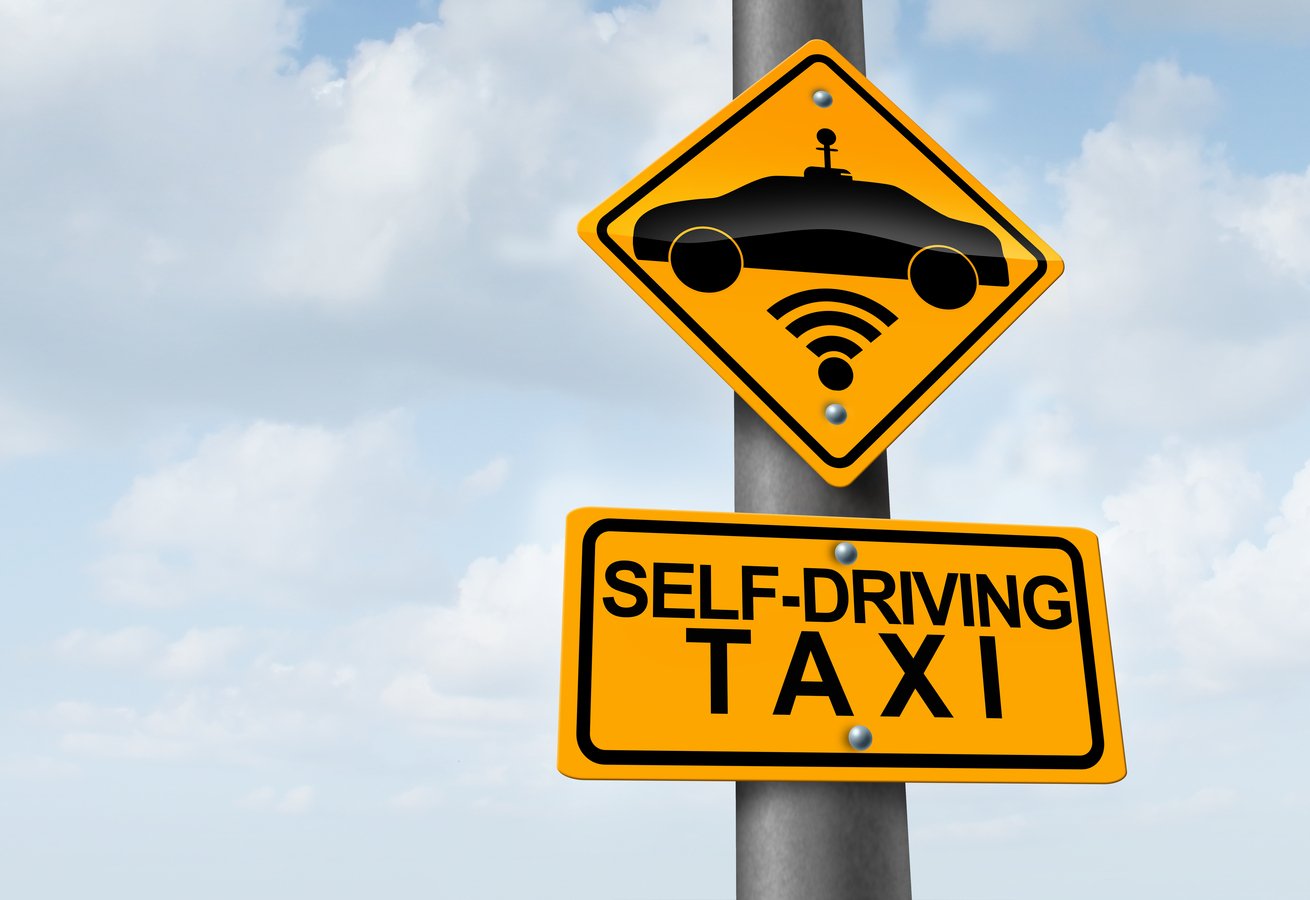
Both face the same looming question: What happens if and when robotaxis arrive? Here again, Uber looks better positioned. Lyft plans to add Alphabet's Waymo vehicles to its app, which is a reasonable start. But Uber has assembled a network of roughly 30 autonomous-vehicle partners and aims to offer robotaxi rides across 15 cities by year-end. That turns the biggest threat to ridesharing into an opportunity, because self-driving fleets still need a demand platform to fill their seats, and Uber's enormous rider base is exactly that. In a driverless future, scale becomes an even bigger advantage, and Uber has far more of it.

NASDAQ: LYFT
Key Data Points
The takeaway for investors
I would not buy either stock simply to beat an earnings date, since one quarter rarely settles a long-term thesis, and both could swing hard on the reports. But if you are choosing between them right now, Uber is the better buy. It offers scale, genuine profitability, diversification well beyond rides, and the strongest hand in the coming autonomous era.
Lyft is the cheaper stock and could bounce further on an upbeat quarter, making it the higher-risk, higher-reward option for bargain hunters willing to bet on its turnaround. For most investors, though, the breadth, profits, and staying power of Uber's business win the matchup. Watch both reports for any signs of slowing ride demand or margin pressure, but the fundamentals point clearly toward the market leader.