Caterpillar (CAT +0.54%) reported second-quarter results on Tuesday, and the headline number was a company first. Sales and revenues rose 24% year over year to $20.5 billion -- the first time Caterpillar has cleared $20 billion in a single quarter. Shares were up about 6% in Tuesday trading as of this writing, to around $880.
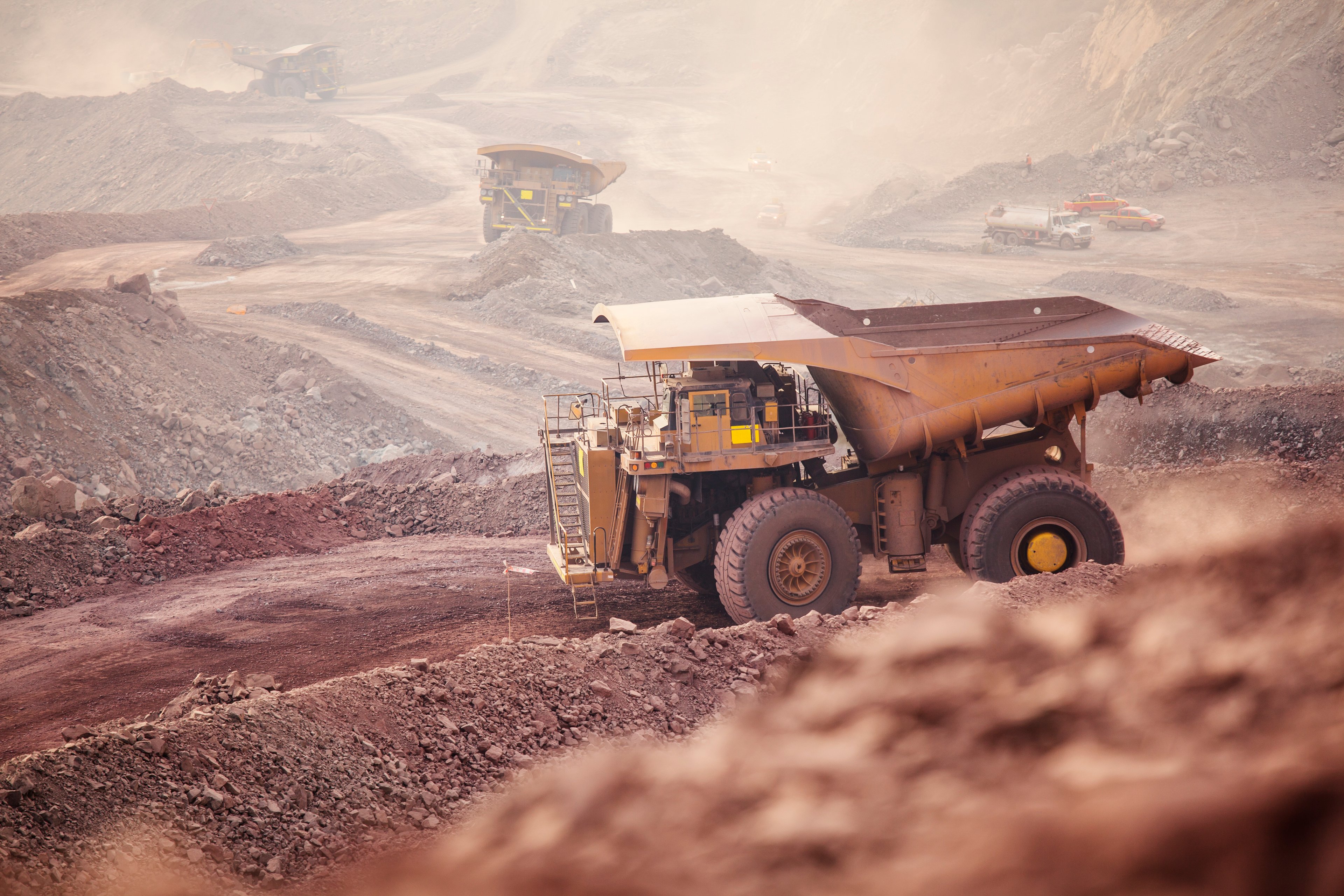
The more interesting story sits one layer down, in the segment results. Construction industries (the bulldozers, excavators, and loaders most investors picture when they hear the name) produced $8.3 billion of sales. Power and energy, the segment that sells generator engines and turbines, produced $8.2 billion -- with much of that demand now coming from data centers.
In other words, Caterpillar now sells nearly as much power equipment as construction equipment. And on the profit line, the power business has arguably already pulled ahead.

Image source: Getty Images.
The power business has nearly caught construction
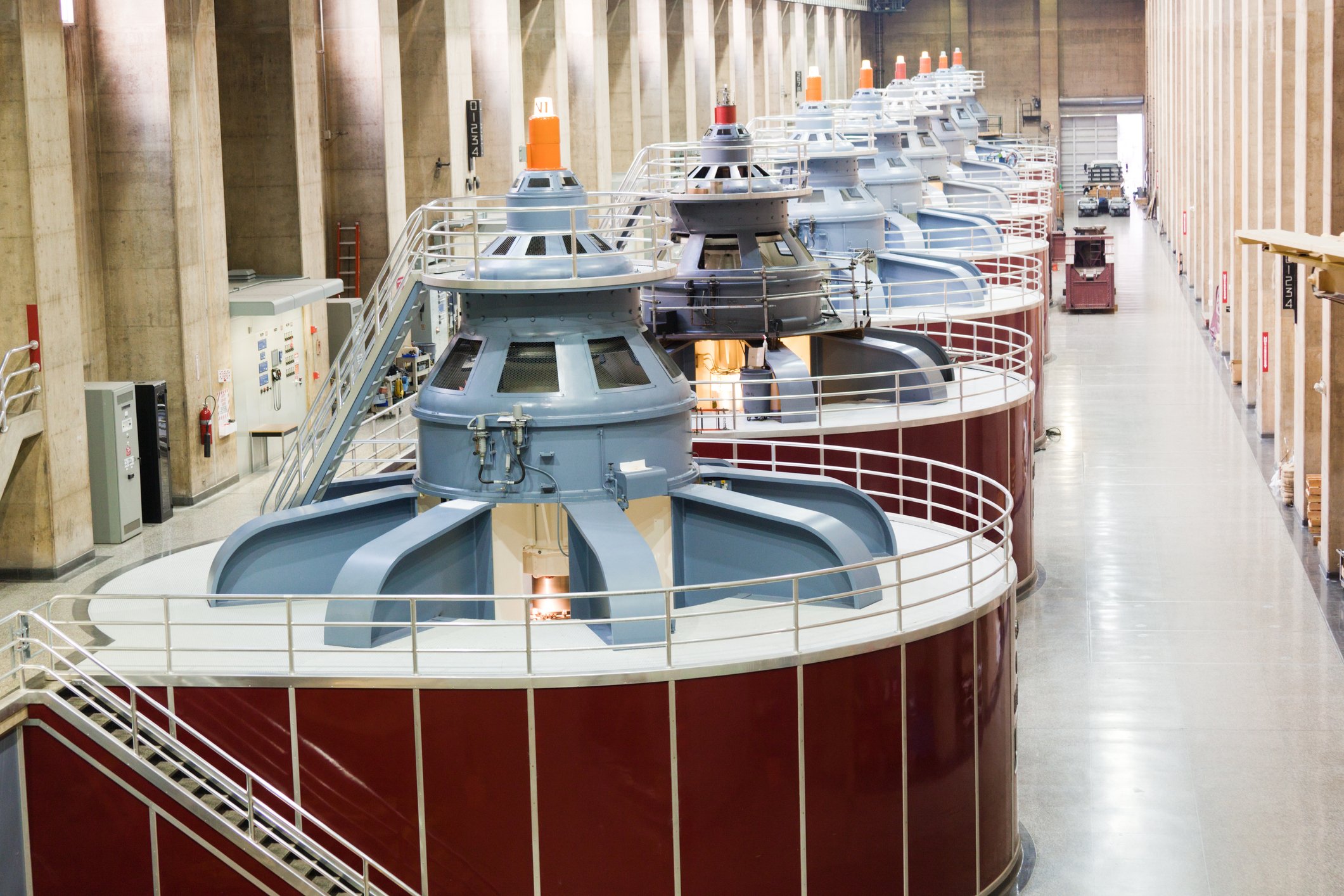
Power and energy sales grew 17% year over year in the second quarter, driven by data center applications, gas compression, and aftermarket parts. Power generation, the slice of the segment most directly tied to data centers, grew 29% to $3.1 billion. The demand comes from the large engines and turbines that can power artificial intelligence (AI) facilities when the grid can't, or before a grid connection arrives.
And that slice keeps getting bigger. Power generation sales were about $2.4 billion in the second quarter of 2025 and $2.8 billion in this year's first quarter.
Demand looks even stronger than the revenue line shows: power generation sales to users grew 72% during the quarter, up from 48% growth in the first quarter, an acceleration driven by those same large gensets and turbines.
To be fair, construction industries grew faster this quarter. Its sales rose 35% year over year, helped by a 50% jump in North American sales.
So the story isn't that power is overtaking construction. It's that a business many investors never think about now rivals the famous one in size.
The profit comparison is sharper still. Power and energy generated $2.0 billion of segment profit in the quarter at a 24.6% margin, up 2.5 percentage points from a year ago. Construction industries generated $1.9 billion at a 23.3% margin, up 3.2 points. Both improved. But the power business now earns a higher margin than the equipment business -- and this quarter, more total profit, too.
Companywide, the operating margin reached 20.9%, up from 17.3% a year ago. Non-GAAP (adjusted) earnings per share rose 73% to $8.17.
The quarter also produced $4.4 billion of operating cash flow, which helped fund $1.5 billion of share repurchases and $0.7 billion of dividends.

NYSE: CAT
Key Data Points
A $72 billion order book, and a price to match
The order backlog ended the quarter at about $72 billion, up from a record $63 billion three months earlier. Management also raised its full-year sales outlook, citing healthy demand across its primary segments. And it trimmed its estimate of this year's tariff costs to about $2.2 billion.
Visibility like that is rare for a cyclical manufacturer. It's also not a guarantee. Orders placed years ahead of delivery can slip, and big projects can be rescheduled. An order in the backlog isn't revenue until Caterpillar delivers it.
After Tuesday's jump, shares trade at about 38 times earnings, with the just-reported quarter folded into the count. That's a premium price for a machinery maker, even one growing this fast.
This is the quarter where Caterpillar's transformation stopped being a story about orders and started being one about delivered profit. I like the business more than I did a week ago. The power franchise is higher-margin than the construction franchise, demand for it is accelerating, and it's arguably still in its early innings given how far out customers are ordering.
Still, at about 38 times earnings, the price treats a cyclical manufacturer as if the power boom comes with a guarantee. It doesn't. Data center projects can pause, and spending that arrives in waves can leave in waves.
If I owned the stock, I'd keep holding it. But I'm not chasing it the day after a 6% pop. The business earned my respect this quarter. At about 38 times earnings, though, I'd be paying today for several more years of quarters like this one. I'd rather wait for a better price.