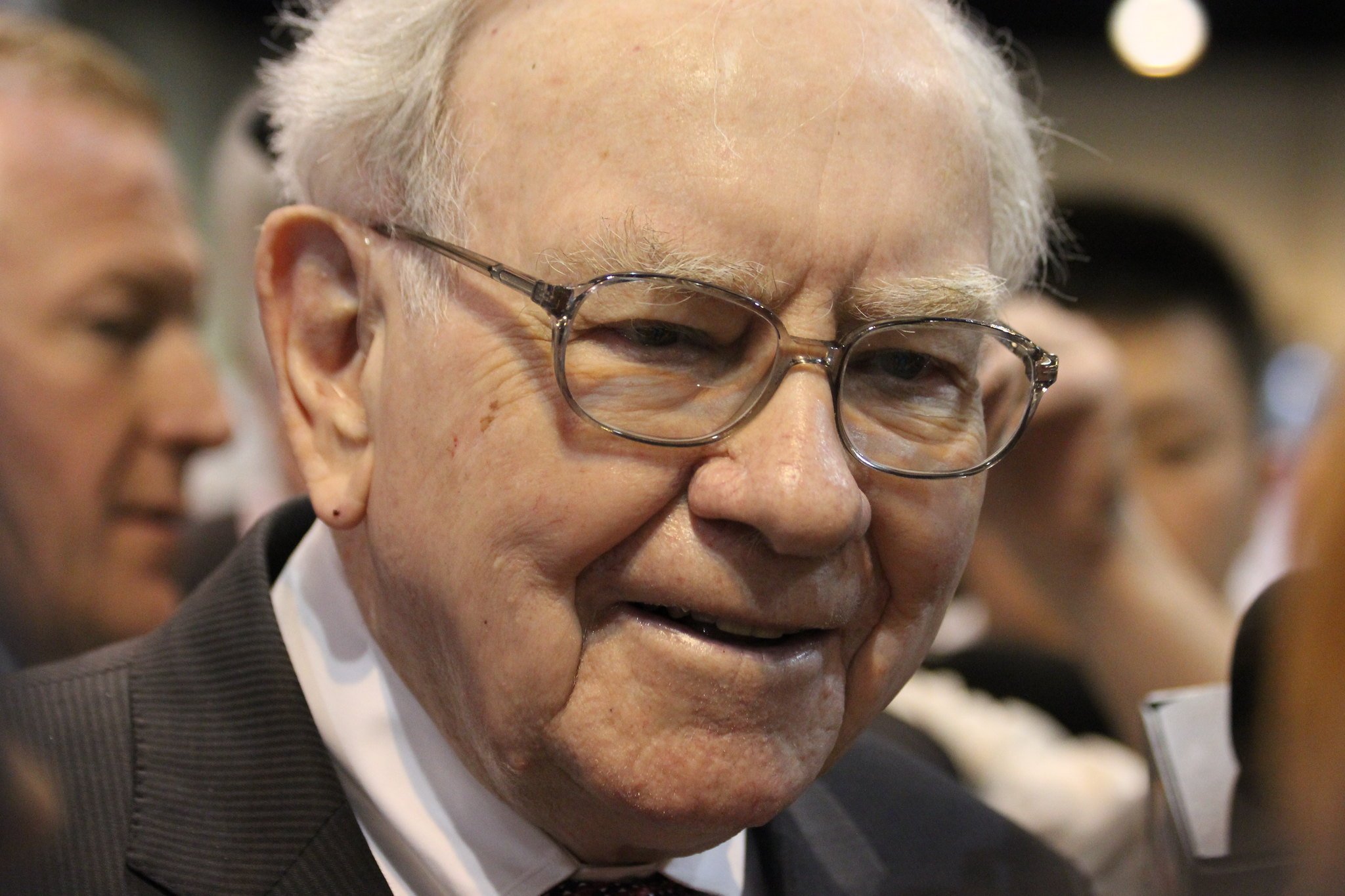
Jamie Dimon is one of the most respected CEOs on Wall Street. Not only does he currently run JPMorgan Chase, the country's largest bank by assets, but he's also successfully steered the company through the Great Recession and COVID-19 pandemic with tremendous poise.
Needless to say, when Dimon speaks, the market is often paying close attention. Recently, Dimon had some interesting things to say about market leverage. Does he know something that Wall Street doesn't? The esteemed banker just sent a clear warning shot.

Jamie Dimon, CEO of JPMorgan Chase. Image source: JPMorgan Chase.
Margin debt has soared
In recent years, the market has been incredibly volatile. Sure, there's been a multiyear bull run, but there's also been quite a few scares along the way, whether it was the 2023 Silicon Valley Bank crisis, the Federal Reserve's intense interest rate-hiking campaign, President Donald Trump's tariffs, or the Iran war.
This has created significant volatility in recent years. But it's likely not just these events making markets so erratic -- it also likely has to do with the amount of leverage in the system.
Investors can amplify their purchasing power by borrowing from a brokerage that uses a person's or a fund's portfolio as collateral. This can accelerate gains or losses, making everything more volatile. In a recent interview with CNBC, Dimon highlighted the extraordinary levels of market leverage as a looming issue.
"Margin debt is the highest it has ever been," he told CNBC. "There's a lot of margin debt you don't see because it's not called margin debt. It's called other things. It's that kind of leverage, some hidden, some public."
Investors caught a glimpse of just how dangerous excessive leverage can be when the hedge fund Situational Awareness, run by 25-year-old former OpenAI employee Leopold Aschenbrenner, got into hot water amid the recent intense sell-off in artificial intelligence (AI).
The Wall Street Journal reported that Aschenbrenner was forced to sell many AI stocks from the fund to Ken Griffin's Citadel at a discount of more than 10% to meet multiple margin calls.
While Dimon stopped short of calling the amount of market leverage systemic, he stressed that it's very high right now. "When you have that, you do have a higher chance that somebody will disrupt the market in a quick way, and people get rattled over it," he said.
Interestingly, recent research from JPMorgan suggests that hedge funds took a beating in the AI-driven sell-off, which could keep them somewhat on the sidelines going forward.
A team of strategists led by Managing Director Nikolaos Panigirtzoglou said in a note that recent data from the analytics firm Pivotal Path shows a 10% loss for tech, media, and telecommunications (TMT) funds in July, which Panigirtzoglou called "unprecedented," according to MarketWatch.
Multistrategy funds also posted a 2.3% loss, the fourth-largest in history. Furthermore, this excludes Situational Awareness, making the losses look even worse.
"The capacity of TMT Equity Sector and Multi Strat hedge funds to hold tech exposures would be structurally more limited going forward," Panigirtzoglou wrote.
This means retail investors may dictate the trajectory of the AI trade in the longer term, he added.
Investors should remain disciplined
Dimon is sending a clear warning that much more volatility is to come, which shouldn't be a total surprise, given what's already happened this year.
While investors may have become more accustomed to wild swings in the market, it doesn't mean they should let their guard down. If you're using leverage, make sure you conduct a scenario analysis and understand what might happen if a fund or exchange-traded fund you own falls by 10%, 20%, or even 50%.
Leverage makes everything feel great on the way up and much worse on the way down. Even if you aren't using margin debt, you still need to understand that the market is leveraged, meaning your portfolio may also be susceptible.
Long-term investors should be able to ride out volatility, but that doesn't mean you can become complacent and put a significant portion of your capital into AI stocks trading at massive, unjustified valuations or take on excessive leverage.