In 1970, Ginnie Mae first introduced the concept of a mortgage-backed security (MBS), a financial asset backed by a pool of mortgages that serves as collateral and passes its cash flows to investors.
It marked the birth of asset-backed securitization, which would spread to a wide range of assets, including auto loans, personal loans, student loans, and a broad swath of commercial loans.
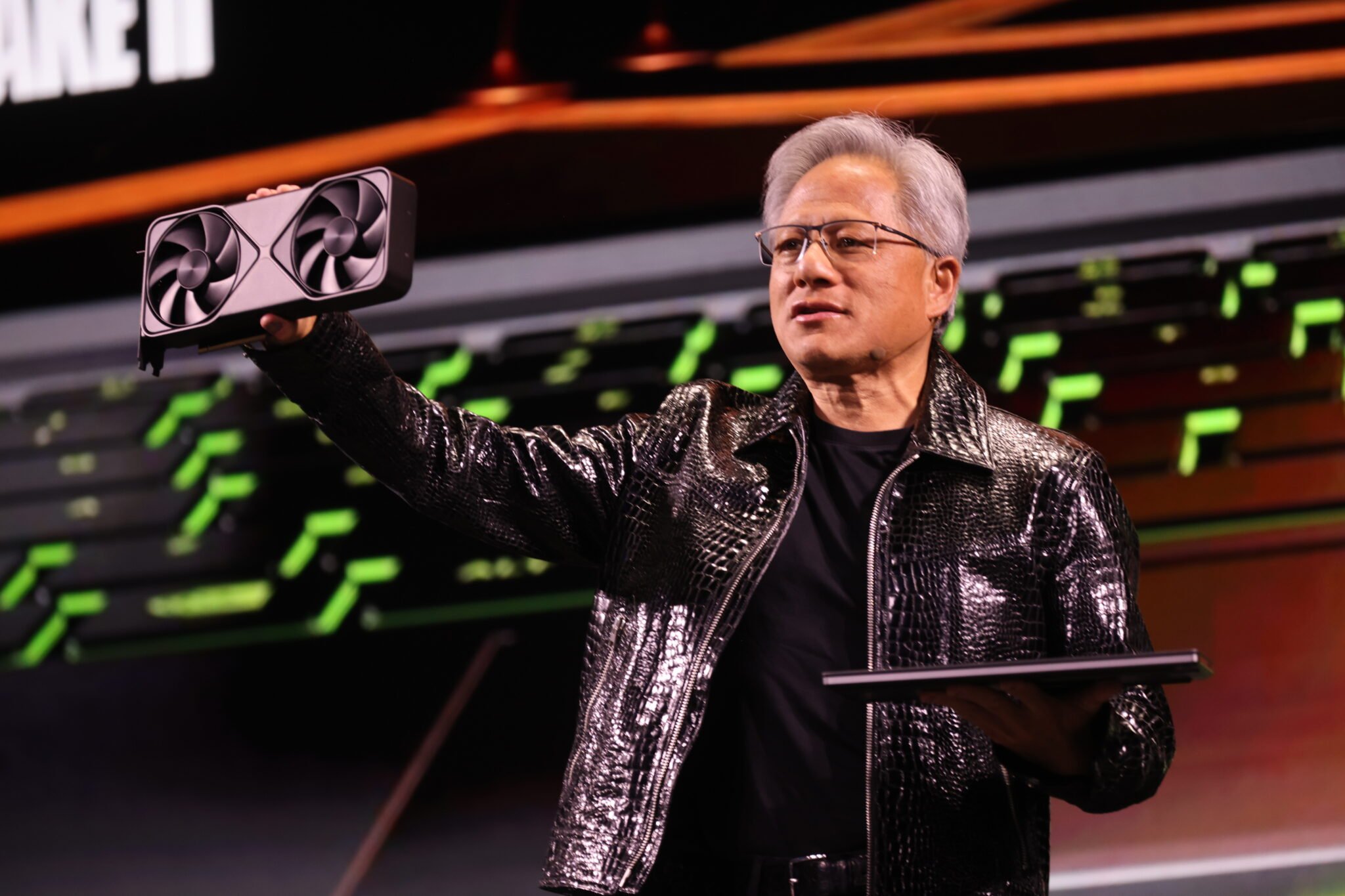
Now, Nvidia (NVDA -0.59%) CEO Jensen Huang has a bold plan to launch what essentially amounts to chip-backed securities, with the collateral being graphics processing units (GPUs).
Huang is planning to partner with major Wall Street firms to create these financial instruments to continue fueling the AI build-out. What could go wrong?
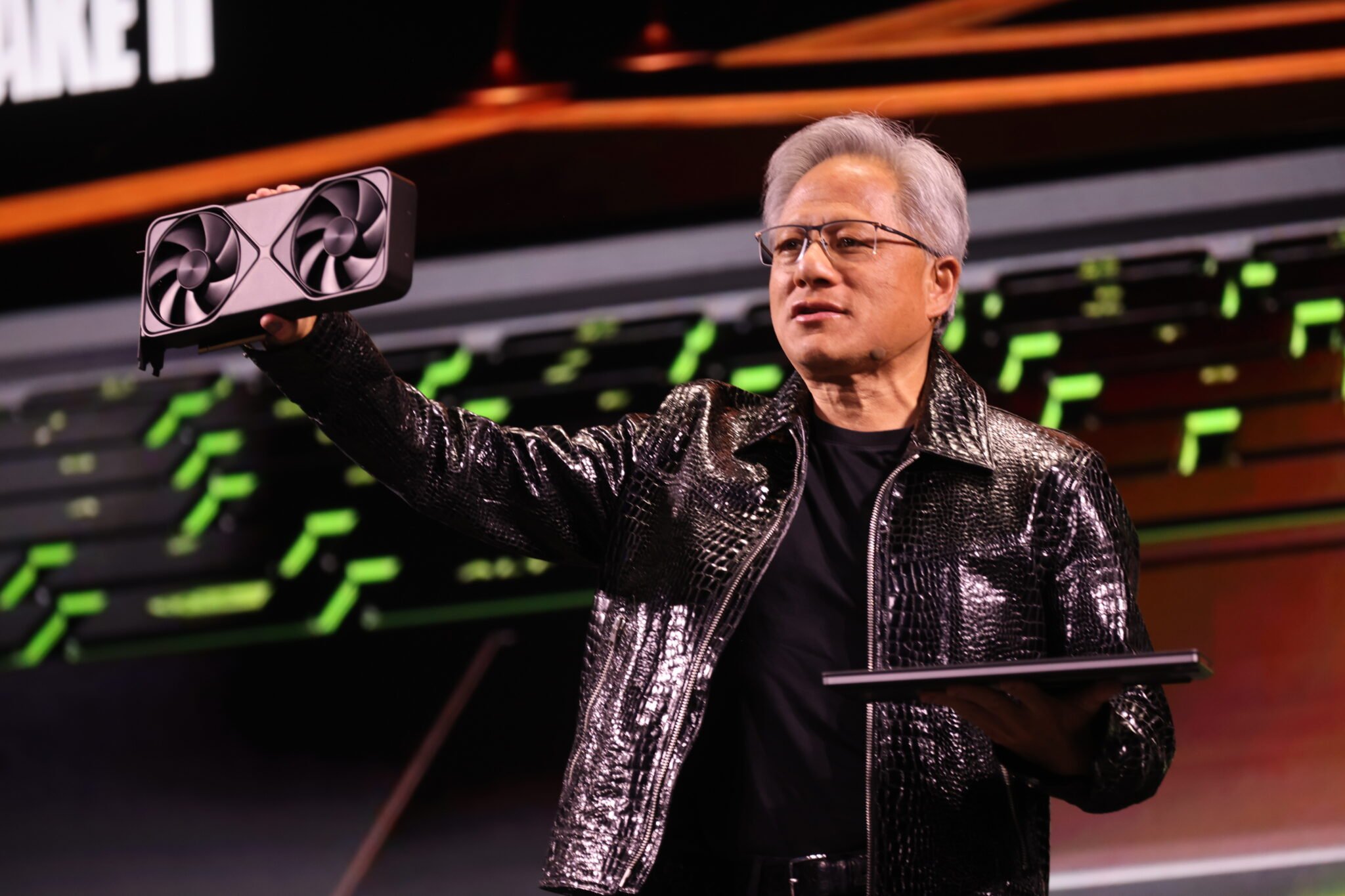
Nvidia CEO Jensen Huang. Image source: Nvidia.
Turning to private credit
Thus far, much of the AI build-out has been made possible by the hyperscalers' balance sheets. Companies like Microsoft, Alphabet, Amazon, and Meta Platforms have long been cash-generating machines.
But in recent years, they've depleted much of their free cash flow, raised equity, and turned to debt to fund what looks set to surpass $700 billion in capital expenditures this year, with plans to ramp that higher next year.
Now, Huang and a group of top private credit players on Wall Street, including Goldman Sachs (GS -1.75%), BlackRock, Blackstone, KKR, Apollo, and Brookfield, are teaming up to potentially find the necessary funding for the continued build-out.
While still in its infancy, the plan is for Nvidia to partner with these firms to raise $500 billion in capital that key stakeholders in the AI ecosystem could tap to keep building data centers and purchase the necessary equipment that makes the data centers operational.
AI labs, enterprises, and AI cloud players would be able to obtain this capital at attractive rates, according to a press release from Nvidia. And while the concept isn't fully fleshed out, it sounded like the capital would be raised from investors who buy securities backed by the GPUs in data centers.
NVDA Nvidia
NASDAQ · As of 4:00 PM ET 10/23/26

"You can think about it as a revenue stream, and you can securitize it or effectively divide that risk and sell it to investors who want to participate anywhere in that stack," Waldemar Szlezak, KKR's head of digital infrastructure, said during a CNBC panel.
Huang added that the compute provided by Nvidia is "broadly adopted, flexible across models and workloads, fungible and transferable across customers and operators, and continuously improved through CUDA software -- extending its useful life and improving its economics over time."
Interestingly, Nvidia said it may, on a case-by-case basis, offer to guarantee a quarter of each loan, which could lead to better interest rates for its partners.
However, borrowers will need to use Nvidia's preferred system architecture, so another company could take over the infrastructure if the borrower no longer has the means to continue operating it.
"You're starting to see, in a sense, you know, asset-based financing against this infrastructure build-out," Goldman Sachs CEO David Solomon told CNBC. "That's not surprising because these are real assets. They have real value."
What could go wrong?
A plan like this could make investors nervous because it bears remnants from the Great Recession.
In 2008, pools of collateralized mortgages that went bad led to huge losses in MBSes, which rippled through the market. It's not necessarily the financial structure of an asset-backed security that's bad; it's the collateral behind these instruments that could lose value.
During the Great Recession, no one thought housing prices would go down, but they eventually did. Furthermore, having Nvidia backstop the loan also puts the whole system at risk if something were to happen to Nvidia.
Private credit funds can also face redemption requests, so the structure of these deals is likely to feature lock-up provisions. Investors may also have an issue with Huang's statement about extending the useful lives of its chips.
Many of the bears have already argued that the hyperscalers are not properly accounting for depreciation, as chips will have shorter lifespans than they claim due to the regular release of new chip models.
It's still early, and the details of these future financing agreements are far from ironed out or even officially in motion. But it's certainly an interesting development to keep an eye on, as finding the funding for the continued build-out of AI infrastructure is key to the AI trade.