Although corporate earnings typically hog all of the glory on Wall Street and drive movements in the Dow Jones Industrial Average (^DJI +0.93%), S&P 500 (^GSPC +0.51%), and Nasdaq Composite (^IXIC +0.48%), monthly inflation reports have taken on added significance since March. The combination of President Donald Trump's tariffs and the Iran war sent inflation screaming to a three-year high of 4.2% in May. The prospect of the Federal Reserve taking action amid a historically pricey stock market is a concern for all investors.
On Wednesday, Aug. 12, the July inflation report eased worries about a September rate hike. Nevertheless, the central bank's own inflationary forecasts point to a sinister metric that remains highly problematic.
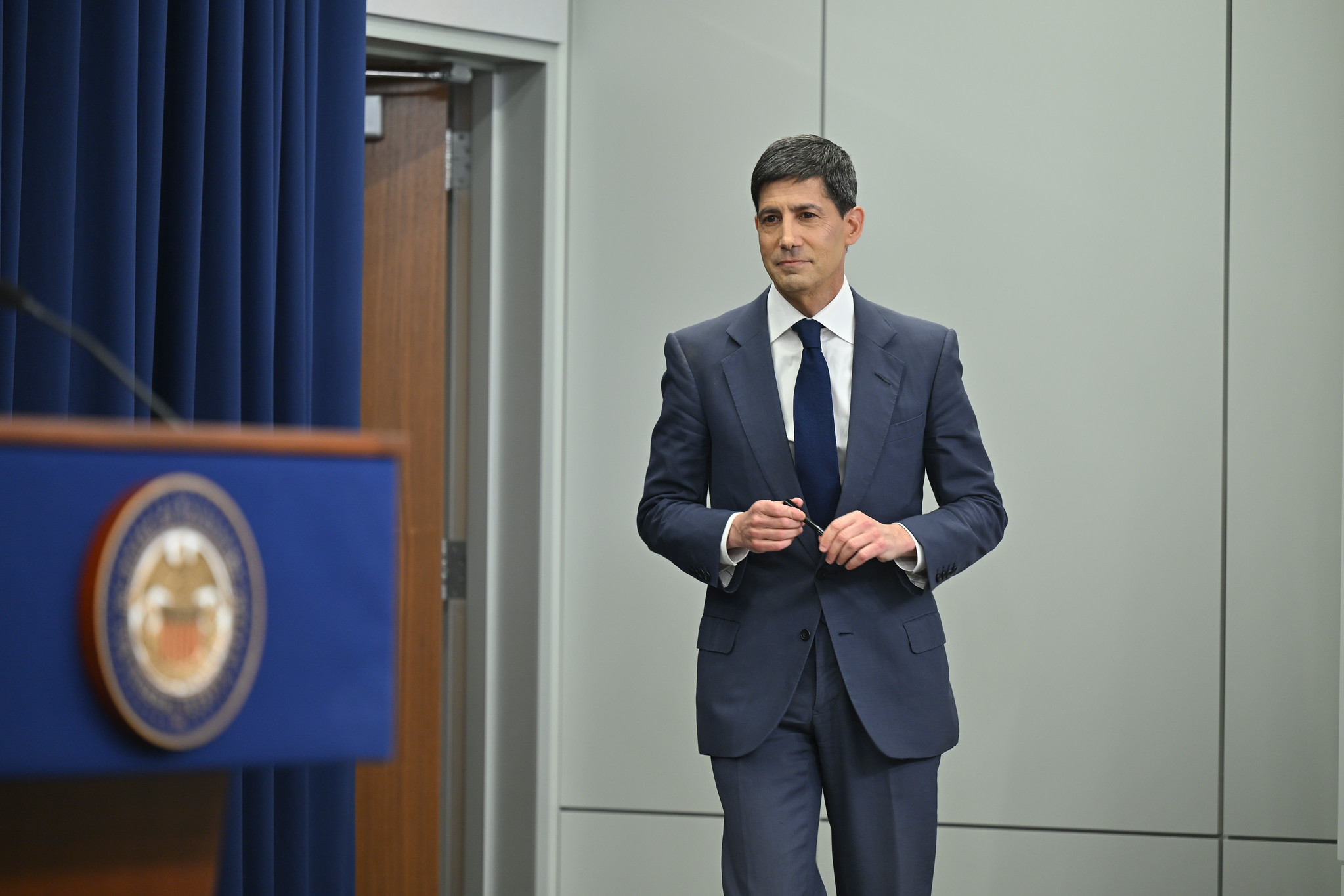
Fed Chair Kevin Warsh has a "core" problem on his hands. Image source: Official Federal Reserve Photo.
The odds of a September rate hike have been more than halved
Earlier this week, the U.S. Bureau of Labor Statistics reported trailing 12-month inflation ending in July of 3.4%, down 10 basis points from the previous month and in line with economists' expectations.
The primary driver of inflation has been the Iran war. Not long after President Trump green-lit attacks on Feb. 28, Iran closed the Strait of Hormuz to most commercial vessels. Although fuel prices soared in the weeks that followed, they've tapered off significantly over the last two months. Historically, energy supply shocks are short-lived.
BREAKING: Market expectations for a September rate hike fall to 34% after US CPI inflation declines to 3.4%.
-- The Kobeissi Letter (@KobeissiLetter) August 12, 2026
This marks the lowest chance of a September rate hike since July 17th.
Odds of a September rate hike are now HALF of what they were on July 27th. pic.twitter.com/te0tAUrg6O
A second consecutive month of declining headline inflation has cratered the probability of a September interest rate hike. Whereas the odds of a quarter-point rate hike were above 75% on July 13, they're hovering at just 34% on Aug. 13.
Given that Treasury bond yields at the long end of the yield curve (10-year and 30-year bonds) have soared since Fed Chair Kevin Warsh was sworn in on May 22, Warsh and his colleagues at the Federal Open Market Committee (FOMC) may feel there's no need to adjust the federal funds target rate when they meet next month.

Image source: Getty Images.
Warsh and the FOMC have a "core" dilemma
While headline inflation's modest decline eased worries on Wall Street, inflation forecasts from the Federal Reserve Bank of Cleveland suggest that we're not out of the woods just yet.
The sinister figure still raising red flags is Core Personal Consumption Expenditures (PCE), which excludes volatile costs such as food and energy and has historically been one of the FOMC's favorite inflationary measures. Although Core PCE dipped slightly to 3.3% in June from a nearly three-year high of 3.4% in May, it's projected to hover around 3.3% in July (3.29%) and August (3.34%) per the Cleveland Fed's Inflation Nowcasting tool.
Looking at 178 components to core PCE and we continue to see inflation broadening out.
-- Ryan Detrick, CMT (@RyanDetrick) August 6, 2026
52% components with inflation over 3% YoY vs 41% in April '25 (Liberation Day). 33% and 25% when looking at 4% YoY. pic.twitter.com/i2bxI7PSrS
Core PCE remaining well above the Fed's long-term inflation target of 2% isn't ideal. It strongly suggests that the effects of the Iran war have moved beyond the energy sector and are impacting the broader economy. Businesses rerouting shipments and changing suppliers are just some of the expenses being passed on to consumers.
Higher Treasury bond yields may not be enough to deliver price stability. If Kevin Warsh and his peers are eventually forced into action, it might mark the end of the stock market's historic rally. Making borrowing costlier amid the hyped artificial intelligence data center build-out could drive a proverbial dagger through an expensive stock market.