For much of August, Bitcoin (BTC -1.50%) fluctuated between minor gains and losses. But on Aug. 19, the price began rising rapidly after President Donald Trump said the federal government may begin buying Bitcoin for the Strategic Bitcoin Reserve.
Bitcoin is up 25% this month (as of Aug. 30), its best performance in August since 2017, when it grew 65%. If history is any indication, Bitcoin could be set to finish the year strong.
Image source: The Motley Fool.
What happens next for Bitcoin?
August has historically been one of Bitcoin's worst months. Average August returns from 2013 to the present are 2.8%, the third-lowest returns of any month, according to data from Coinglass. Bitcoin has only posted a positive return in August four times over that time span: in 2013 (30.4%), 2017 (65.3%), 2020 (2.8%), and 2021 (13.8%).
In all four of those years, Bitcoin lost value in September, declining by an average of 5.9%. However, it would go on to have a positive fourth quarter and, in three of four years, more than doubled. Bitcoin grew 479.6% in Q4 2013, 215.1% in Q4 2017, 168% in Q4 2020, and 5.5% in Q4 2021.
This is admittedly a small sample size, and the biggest growth comes from years when Bitcoin wasn't worth nearly as much as it is now. For example, it started Q4 2020 with a market cap of about $200 billion. It now has a market cap of $1.6 trillion, making it much harder to achieve triple-digit returns.
Still, if the historical pattern holds, Bitcoin could increase in value over the last three months of the year.
Is now a good time to buy Bitcoin?
Bitcoin has built positive momentum, and the fourth quarter tends to be its best quarter of the year. Its average returns in Q4, from 2013 through 2025, are 77.1%, nearly as much as the first three quarters combined.

CRYPTO: BTC
Key Data Points
As always, past performance doesn't guarantee future results. This recent rally has also been somewhat fragile. It's primarily built on President Trump's comments about the U.S. government potentially buying Bitcoin, which helped kick off a short squeeze. Bitcoin gave back some of those gains after Federal Reserve Chair Kevin Warsh's hawkish remarks at Jackson Hole on Aug. 28, and Bitcoin ETFs snapped a nine-day inflow streak that same day. If the Fed raises rates, and 66% of traders on Polymarket now believe that it will, Bitcoin's price could come back down.
One takeaway from the data is that Bitcoin is still worth considering after its recent rally. The price isn't as low as it was a few weeks ago, but as the data shows, there's a good chance Bitcoin will continue to grow through the end of the year.
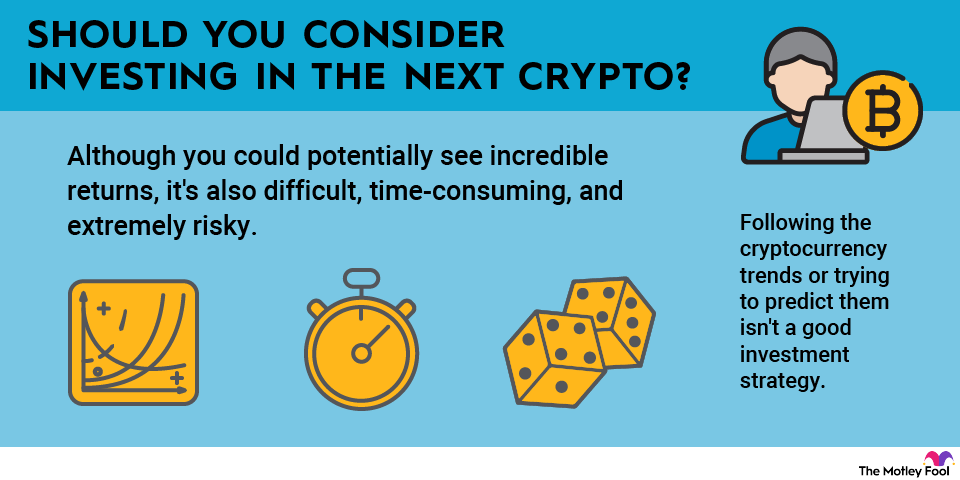
Since Bitcoin is a high-risk, high-reward investment, it should only make up a small portion of your portfolio -- around 5% is a smart limit. Even though Bitcoin tends to do well in the fourth quarter, you should never count on that. Bitcoin's performance is unpredictable, so for the best results, plan to hold it for at least five years, including through any potential downturns.