Amazon (AMZN -2.18%) is one of those rare, invincible companies that has grown into a true behemoth, and I just don't see it going anywhere. Sure, the stock will have its ups and downs as the market moves and earnings come and go, but I believe the business itself is here to stay.
Amazon has never paid a dividend and continues to issue shares to employees, but that doesn't bother me. My plan is to buy Amazon and hold it for the rest of my life. And honestly, the reason has very little to do with the balance sheet.

NASDAQ: AMZN
Key Data Points
Amazon is no longer a store
At some point, Amazon crossed from a website into a reflex. You need something, you order it, and it shows up. There is no comparison shopping, no drive, no wondering whether the store carries it. Prime members worldwide saved nearly $105 billion on fast free delivery in a single year, according to the company, which averages more than $550 per United States household, roughly 4 times the annual fee.
That gap between what you pay and what you get is the moat. JPMorgan puts the value of a Prime membership at nearly $1,430 per year, compared with a $139 price, more than double the $544 estimate from 2016. When a subscription is worth 10 times its cost, canceling stops being a rational option, and the company gains the ability to raise prices without losing customers.
Speed is the product here
Amazon spent over $4 billion to triple its rural delivery network, expanding same-day and next-day service to more than 4,000 smaller cities and towns. The build-out goes from 70 rural delivery stations at the end of 2023 to 200, covering more than 13,000 zip codes across 1.2 million square miles, an area the size of Alaska, California, and Texas combined.
Bloomberg found that Amazon now delivers in under 24 hours to 1 in 5 rural households and within 48 hours to 62% of them. In cities, ultra-fast delivery arrives in about 30 minutes on everyday essentials through Amazon Now. Nobody replicates that. Building it required a decade of losses that shareholders funded instead of collecting dividends.
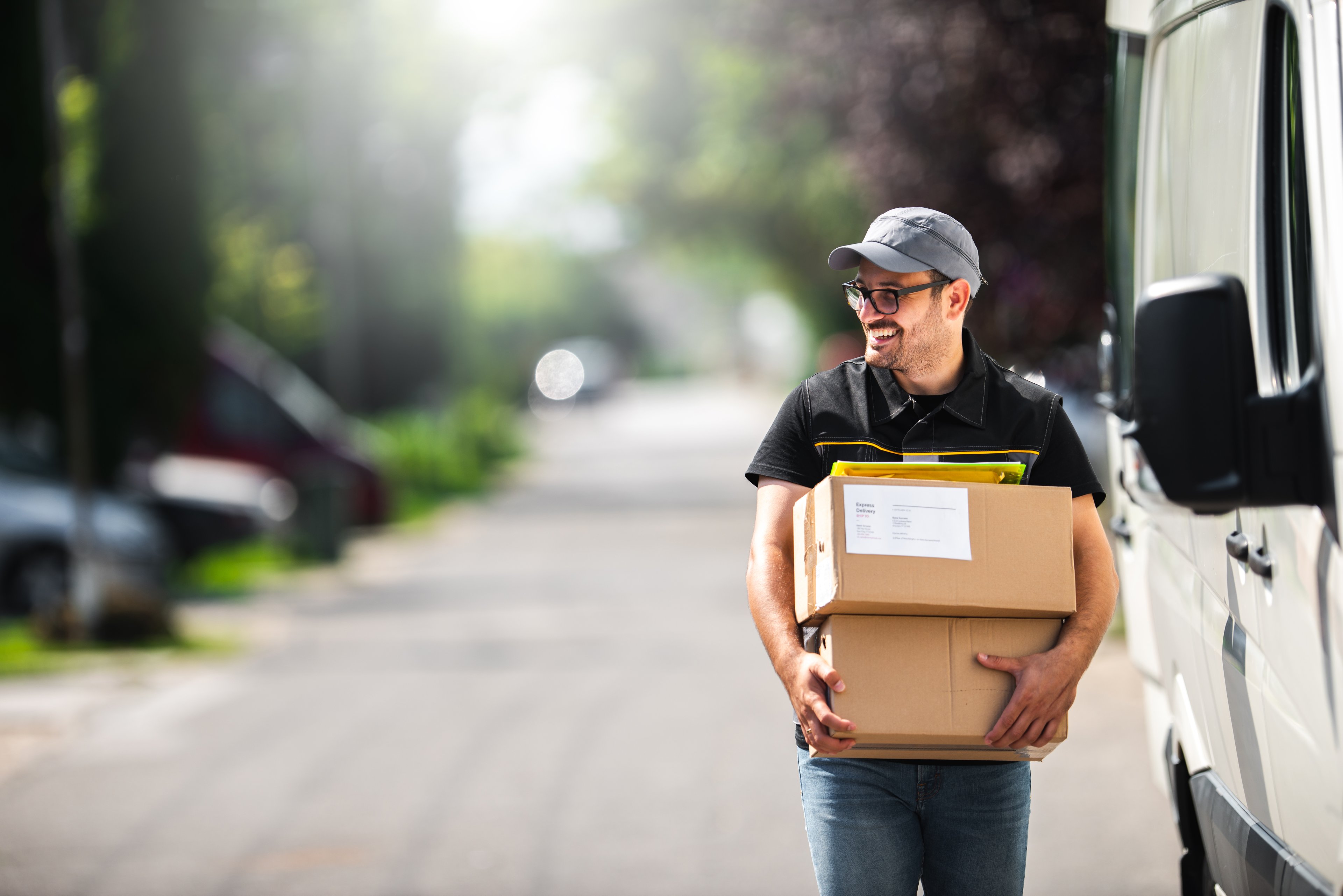
Image source: Getty Images.
Everything else that gets bundled in
Prime is no longer just shipping. It is Prime Video, over 100 million songs, unlimited photo storage, ebooks and audiobooks, grocery discounts at Whole Foods and Amazon Fresh, free Grubhub+ worth $120 a year, prescription savings, and Health AI consultations with One Medical providers. Each addition raises the switching cost without raising the price. All this is outside of AWS' success.
Amazon also runs Prime Access at $6.99 per month for income-verified customers and a discounted student tier at $69 per year, which gets people into the habit early and cheaply.
The AI position most people miss
While everyone looking into AI watched Nvidia, Amazon locked in something structural. In April, Anthropic committed more than $100 billion over 10 years to AWS technologies, securing up to 5 gigawatts of capacity to train and run Claude on Amazon's custom Trainium silicon. The agreement spans Trainium2 through Trainium4 plus tens of millions of Graviton cores.
Amazon invested $5 billion in Anthropic immediately, with up to $20 billion more tied to milestones, bringing its total to $13 billion. Nearly 1 gigawatt of Trainium2 and Trainium3 capacity comes online by year-end.
Read that structure carefully. Amazon invests in a customer; the customer spends money on Amazon's own chips, and Amazon captures both cloud revenue and silicon margin while reducing its dependence on Nvidia. That is not a bet on AI. That is a toll booth.
Why dilution does not bother me
At times, Amazon pays engineers in equity because the alternative is paying them in cash it would rather spend on delivery stations and data centers. Every dollar retained instead of distributed went into rural logistics, custom chips, streaming rights, and grocery infrastructure that competitors now have to fund from scratch.
A dividend would signal that Amazon had run out of things worth building. It has not. Roughly 201 million United States Prime members and more globally are served by a system that keeps getting faster and cheaper. I would rather own that compounding than collect a check from it.