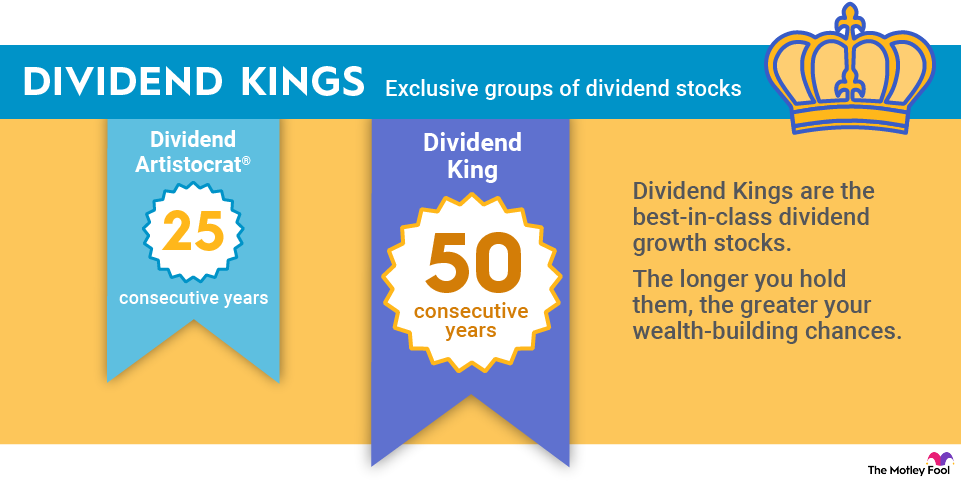
Target (TGT -0.72%) has raised its dividend for 55 consecutive years, spanning seven bear markets (a market drop of at least 20% from peak to trough) and multiple recessions. That's the kind of resiliency that income investors love to see.
The stock has climbed about 69% since the beginning of the year and no longer looks cheap on a price-to-earnings (P/E) basis. But that rebound is backed by real progress in sales and profitability, which in turn supports the dividend. With the stock still yielding about 2.8%, it could still be a solid buy, considering the turnaround underway in the business.
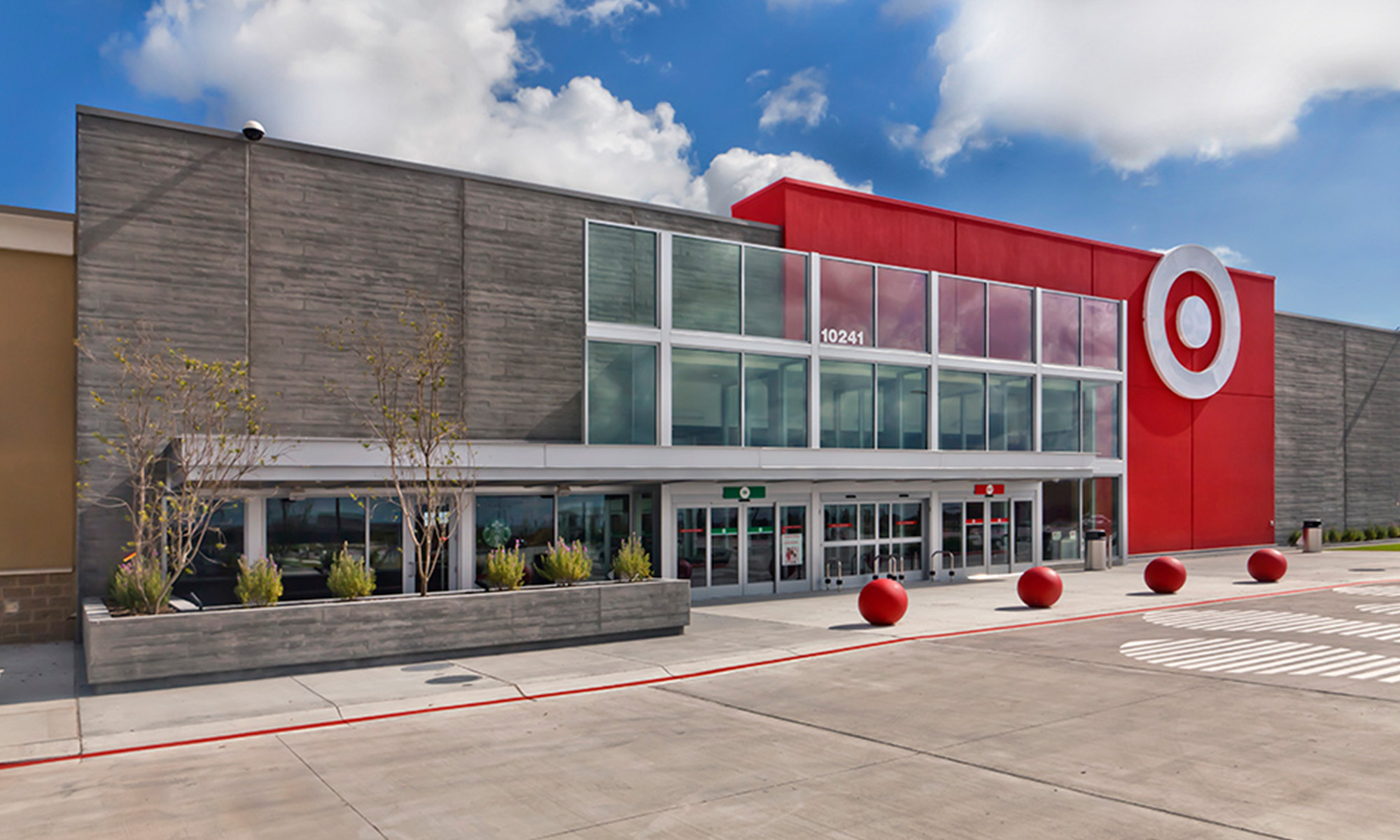
Image source: Target.
Target's improving sales are driving the stock higher
Target is getting back to growth after a couple of years of weak results. Sales decline from fiscal 2024 through fiscal 2026 (ending in January). Multiple factors were to blame, including cautious consumer spending and inflation.
This year has been a different story. Net sales grew 5% year over year in the second quarter, with comparable sales up 3.8% amid solid increases in traffic. Management is guiding for full-year sales to grow about 5%. This followed a major effort to reset stores, such as expanding its fresh-produce selection and adding more space for impulse buys like snacks and candy.
Despite the stronger sales trends, there's still room for improvement. Management noted that home and apparel goods are still not where they need to be. Still, CEO Michael Fiddelke said they see their efforts "resonating with guests," which is building momentum.

NYSE: TGT
Key Data Points
Why the stock is still a buy for income investors
Target recently raised its quarterly dividend 1.8% to $1.16 per share. It says a lot about the company's durability that it kept increasing the dividend even while sales were under pressure over the last three years.
Importantly, the company's margins and free cash flow look poised to increase. Over the past year, it paid out 46% of free cash flow in dividends, leaving room to sustain the dividend if traffic softens. Its dividend payout looks very safe, with free cash flow up 51% year-over-year on a trailing 12-month basis.
Adjusted earnings rose 20% year over year in the second quarter, excluding tariff refunds. That strength reflects growth in higher-margin revenue streams, including advertising, and better in-stock levels for frequently purchased items.
Overall, Target appears to be executing well. Over time, investors should expect improving earnings and free cash flow to support continued dividend increases. The stock is fairly valued at a forward P/E of about 16, but for investors who are primarily interested in the dividend, Target is still a solid stock to buy and hold.