Reshoring has become an important theme in U.S. manufacturing. However, it does not simply mean moving an entire overseas factory back home.
Reshoring can also involve replacing imported components or processing with domestic capacity. The distinction changes which industrial stocks are positioned to benefit.

Image source: Getty Images.
Reshoring can happen inside the supply chain
According to the 2026 Reshoring Initiative survey, among surveyed contract manufacturers, 69% of reshoring cases involved customers switching component sourcing to the U.S. while assembly was already domestic.

NYSE: MP
Key Data Points
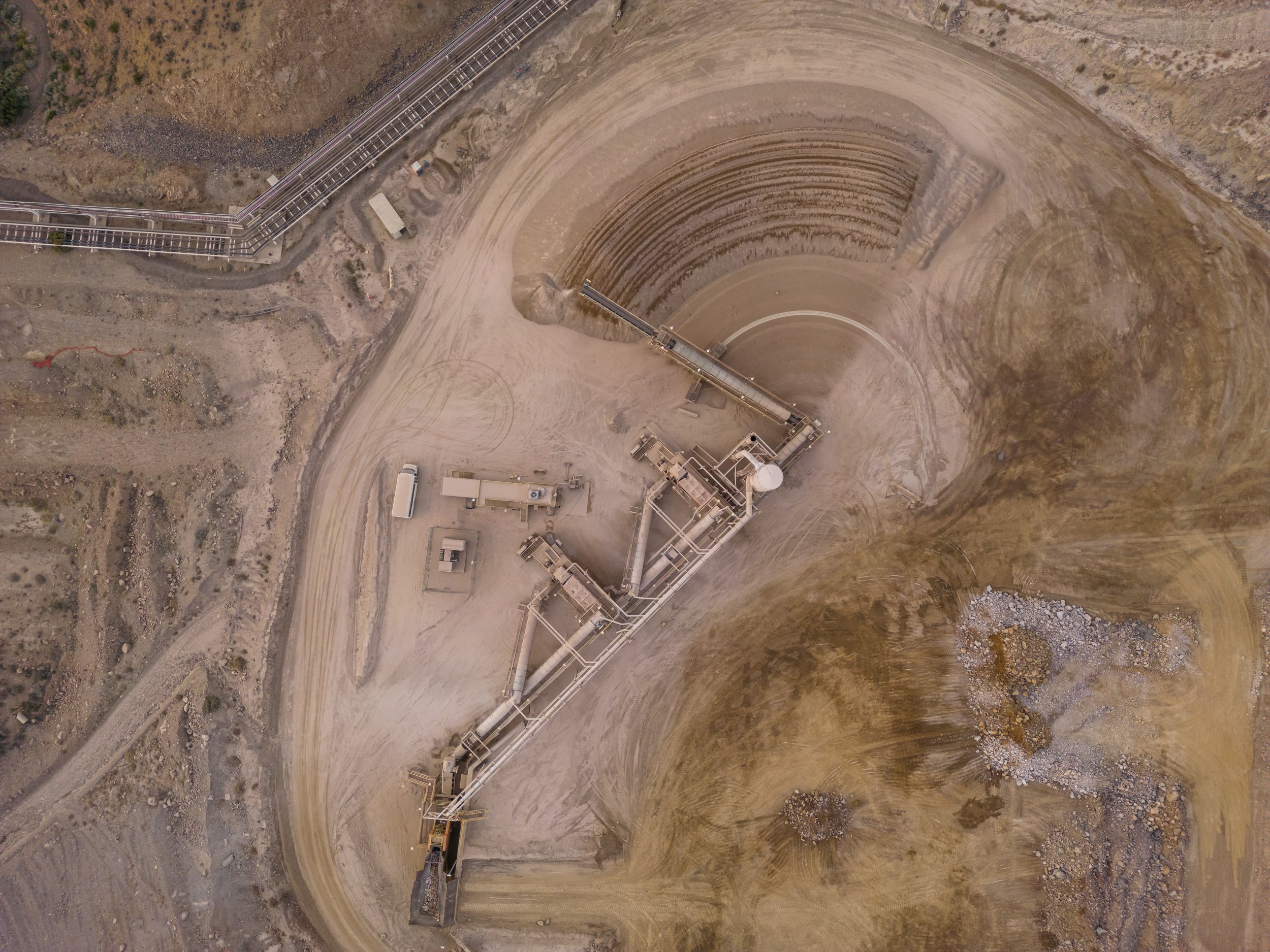
MP Materials (MP +1.54%) is a good example. The company is expanding rare-earth processing and magnet production in the U.S. The company's new 10X facility in Texas is expected to produce 7,000 metric tons of magnets annually once fully scaled. MP Materials expects to invest more than $1.25 billion in the project. The expansion is part of MP Materials' effort to build an end-to-end U.S. rare-earth magnet supply chain and reduce dependence on foreign production.
Government support also reduces some of the risk around this expansion. The Pentagon has agreed to cover the shortfall if benchmark prices for MP's key rare-earth materials fall below $110 per kilogram. The Pentagon has also guaranteed that 10X will generate at least $140 million of annual EBITDA once the facility reaches full production.
The economics must still work
Reshoring can reduce supply chain risks, but U.S. manufacturers still must compete on price. In the 2026 USA Reshoring survey, 94% of contract manufacturers said price was the main reason they lost orders to imports. Among those losing on price, half said the winning import bid was at least 30% lower.
Among original equipment manufacturers (OEMs) reporting impacts from reshoring, 70% cited faster speed to market, 65% better on-time delivery, and 60% logistics savings. However, investors should not assume reshoring interest means a factory-building boom. U.S. manufacturing construction spending fell from $250 billion annualized in September 2024 to about $170 billion in July 2026, down roughly 32%.
Hence, investors should assess whether reshoring is actually translating into more orders and stronger earnings.