When CEOs say their companies' stocks have bottomed, investors tend to listen. But they probably shouldn't. At least not without looking at what they do next.
The truth is, corporate executives know more about their businesses than almost anyone. They see customer orders, hiring trends, inventories, pricing, and cash flow long before most investors have pieced together the same picture from quarterly reports. But knowing your business doesn't make you particularly good at predicting your stock price.
A recent Wall Street Journal analysis looked at roughly 1,400 insider purchases of at least $100,000 at S&P 500 companies over five years. About 75% occurred after the company's stock had fallen. Yet just 15% of those stocks recovered all the way back to their pre-decline price. The median stock gained only about 2% during the month following the insider purchase. And remember, those executives weren't just talking. They were putting their own money on the line.
The trouble with economic forecasting
You have to understand that there's a difference between a CEO calling a bottom in a business and calling a bottom in a stock. Yes, a CEO might know that orders have stopped deteriorating, inventories are normalizing, or customers are returning. Those are legitimate observations based on information coming directly from the business. But the stock market doesn't trade exclusively on company fundamentals.

Image source: Getty Images.
Interest rates can rise. A recession can hit. Valuations can contract. Competitors can cut prices. Investors can simply decide they're no longer willing to pay 30 times earnings for a stock they previously valued at 50 times earnings.
JPMorgan Chase (JPM +0.51%) CEO Jamie Dimon demonstrated the other side of this problem in 2022. He famously warned investors about an economic "hurricane" as inflation surged, the Fed raised interest rates, and Russia's invasion of Ukraine disrupted markets.

NYSE: JPM
Key Data Points
Those risks were real. Stocks fell. But the economy never experienced anything resembling the severe downturn many investors interpreted from Dimon's warning. In JPMorgan's following annual report, Dimon acknowledged just how difficult forecasting economic turning points can be, comparing economic forecasting to weather forecasting.
That said, in February 2016, Dimon did tell investors that JPMorgan looked cheap. He even spent $26.6 million buying 500,000 shares during a brutal banking sell-off. The stock jumped 8% the next trading day and gained more than 60% within a year.
Watch what they do, not what they say
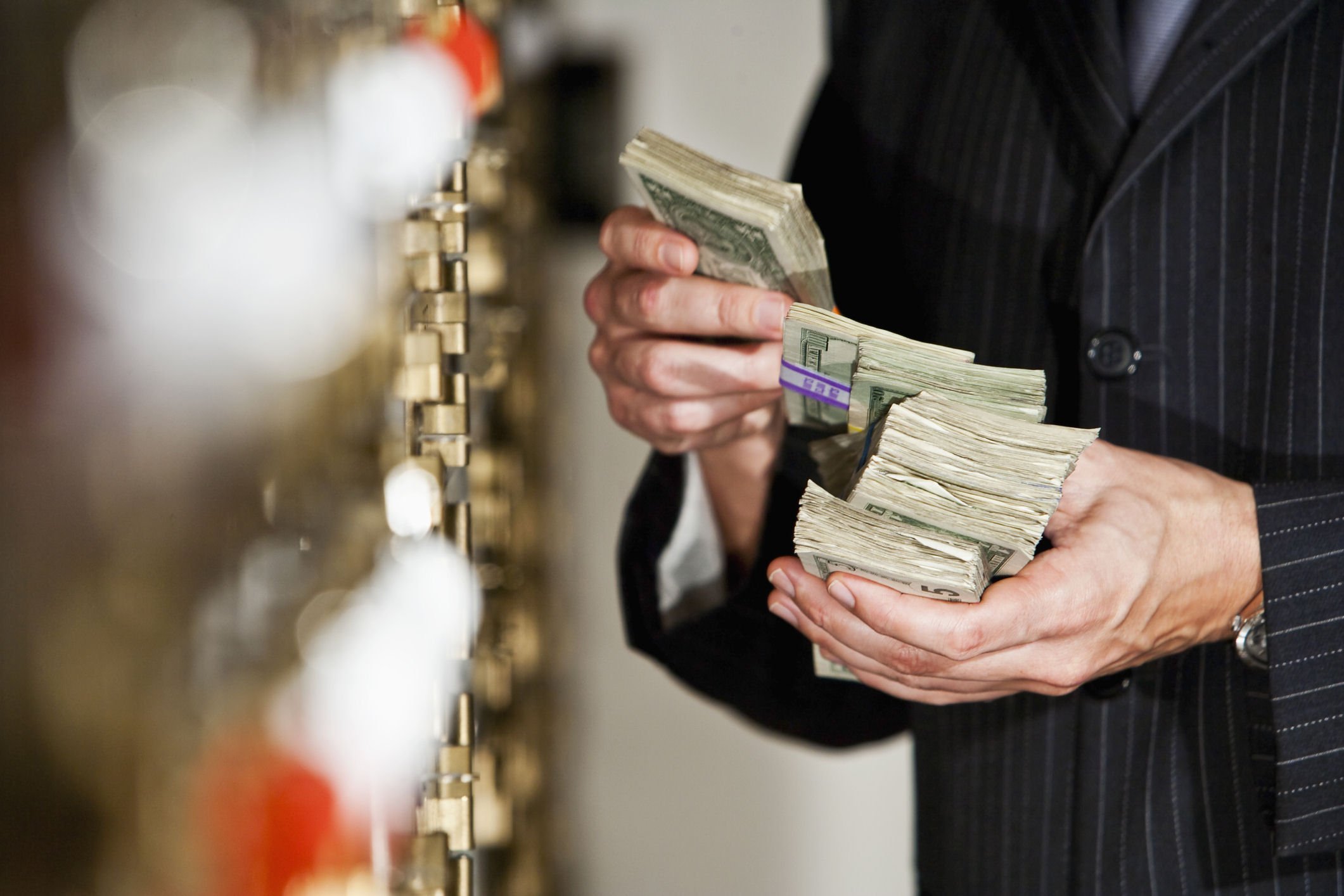
CEO predictions become considerably more interesting when they're accompanied by insider buying. Research published in the Journal of Accounting and Economics found that CEO purchases historically generated roughly 2% to 3% abnormal returns. In other words, CEOs buying their own shares have shown some ability to identify undervaluation.
Other research has found similar patterns. A 2026 Journal of Financial Economics study found that executives below the top ranks earned abnormal returns of roughly 0.7% to 1% one month after buying shares of their own companies, depending on the methodology used. Using one of those methods, the abnormal return increased to about 2.5% after six months.
But CEOs can get it wrong, too. One study found that roughly one-third of CEO stock purchases generated negative abnormal returns during the following year. But there are reasons an executive might buy shares besides believing the stock has reached its absolute bottom. Insider buying can demonstrate confidence to employees, shareholders, customers, and even the company's board. Worth noting: One study found that executives who bought shares were less likely to be fired following poor performance. Indeed, that can be a legitimate reason to buy large blocks of stock.
Look for clusters
To be sure, one insider buying $100,000 worth of stock doesn't get me terribly excited. But if the CEO, CFO, and three directors are all buying meaningful amounts of stock after a 50% decline, I'll pay attention. And the signal gets even stronger if the business itself is improving.
Suppose a stock has fallen 60%. The CEO says conditions have bottomed. Then the CEO buys $2 million worth of shares, the CFO buys $500,000, and several directors start buying. Meanwhile, revenue growth begins accelerating, margins stabilize, free cash flow improves, and management raises guidance. Now you've got something far more important than a CEO telling you how cheap a stock is.