In November 2023, Cameco (CCJ +0.98%) and Brookfield Renewable Partners (BEPC +1.12%) made a bold $8.2 billion bet on nuclear by acquiring Westinghouse Electric. The deal gave Cameco a 49% stake in one of the world's biggest nuclear equipment and servicing businesses.
On July 31, Westinghouse confidentially filed paperwork with the Securities and Exchange Commission (SEC) to go public. An IPO will give Westinghouse a stand-alone public valuation while providing more visibility into its finances and project pipeline.
Countries are moving forward with new nuclear facilities, and Westinghouse's AP1000 reactors could be central to many of those projects. Westinghouse's IPO could give Cameco investors an early boost, but I believe the real growth story will emerge by 2028. Here's why.
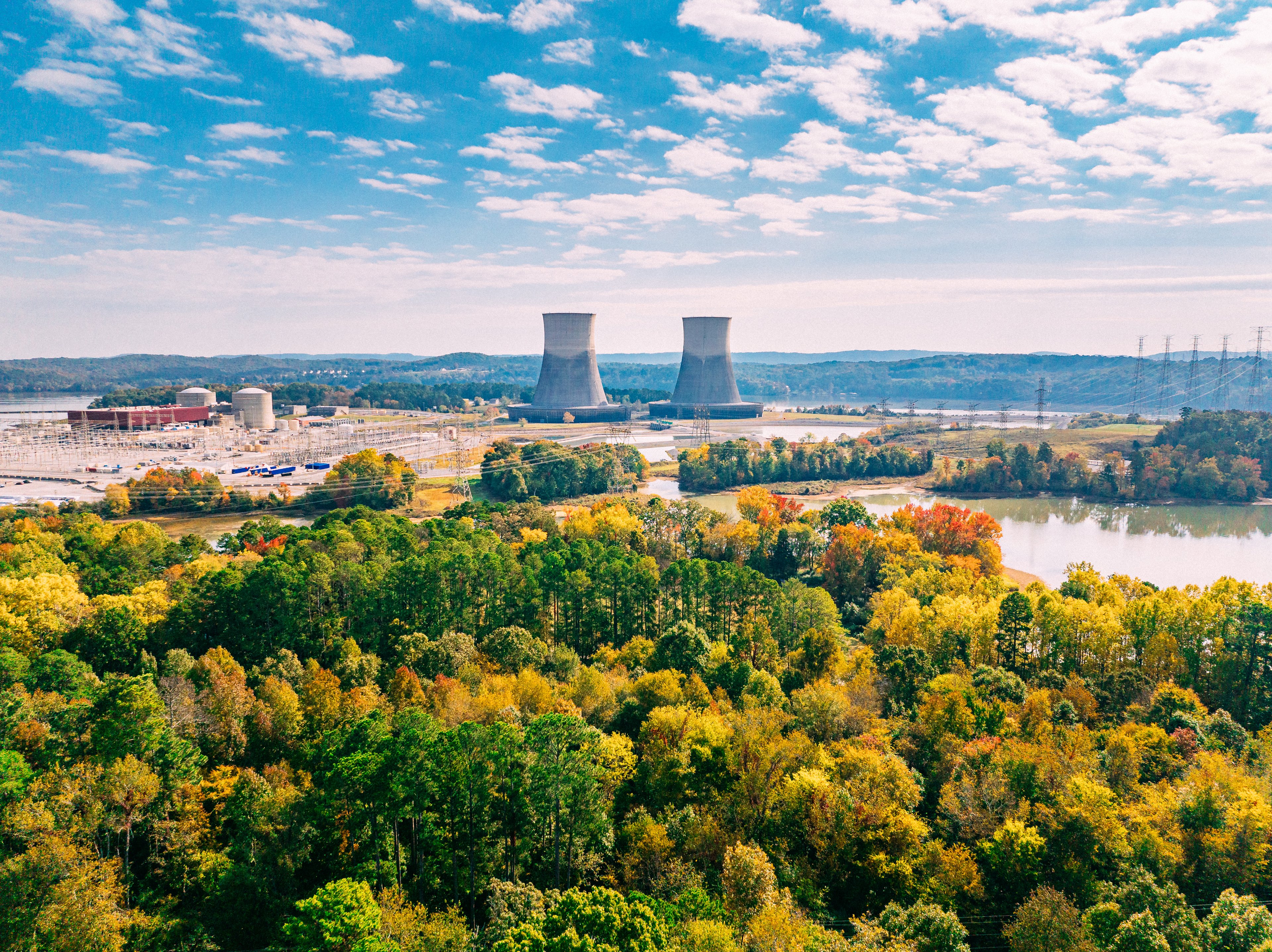
Image source: Getty Images.
Westinghouse will be essential in rebuilding U.S. nuclear energy
On June 23, the Department of Energy issued a conditional $17.5 billion loan commitment to Westinghouse to help finance the purchase of long-lead items as the U.S. rebuilds its nuclear capabilities. This loan is part of the October 2025 $80 billion deal between the U.S. government and Westinghouse to build large-scale nuclear reactors. Only two AP1000 reactors are operating in the U.S. right now, and this agreement aims to build 10 reactors, with construction set to begin in 2030.
Right now, Westinghouse is working on front-end engineering design (FEED), licensing updates for the Nuclear Regulatory Commission, and ordering long-lead equipment. While it'll see a bump in revenue, it'll also spend a lot of capital in the early pre-construction phase.
Why Westinghouse's earnings will grow in the coming years
Outside the U.S., Westinghouse has several projects in European countries, including Poland, Bulgaria, and the Czech Republic. Initial purchase orders begin three to four years before the first nuclear concrete, and Westinghouse recognizes roughly 50% of its project scope in the first five years.
Under percentage-of-completion accounting, Westinghouse bills for proprietary components, digital instrumentation and control (I&C) systems, and engineering integration as site work advances, while third-party EPC partners handle the civil construction and structural module installation.
Westinghouse is already realizing billing revenue, but by 2028, it could see project billings trend even higher. By then, anchor projects like Poland's Lubiatowo-Kopalino will begin construction authorization and the long-lead delivery phase. In addition, its framework with the U.S. government is designed to unlock long-lead items, like reactor pressure vessels or steam generators, which will drive higher-dollar invoices.

NYSE: CCJ
Key Data Points
Cameco's stake in Westinghouse gives it long-term upside from the nuclear build-out
Westinghouse's earnings boost won't immediately translate into equivalent earnings or liquid cash flow for Cameco. On the income statement, large non-cash Purchase Price Allocation (PPA) amortization charges frequently offset operating gains, while at the cash level, Westinghouse's debt servicing and capital reinvestment prioritize liquidity over dividend distributions.
These headwinds to Cameco's earnings should diminish as heavy front-loaded PPA charges roll off, while an IPO offers a catalyst to recapitalize Westinghouse's $3.8 billion debt burden.
Cameco investors will want to watch Westinghouse's IPO closely, as it will provide a public valuation allow Cameco to monetize part of that stake in the nuclear technology company. That said, Cameco still plans to maintain a significant long-term stake in the nuclear builder, which should boost its earnings over the next several years as the nuclear build-out gets underway.