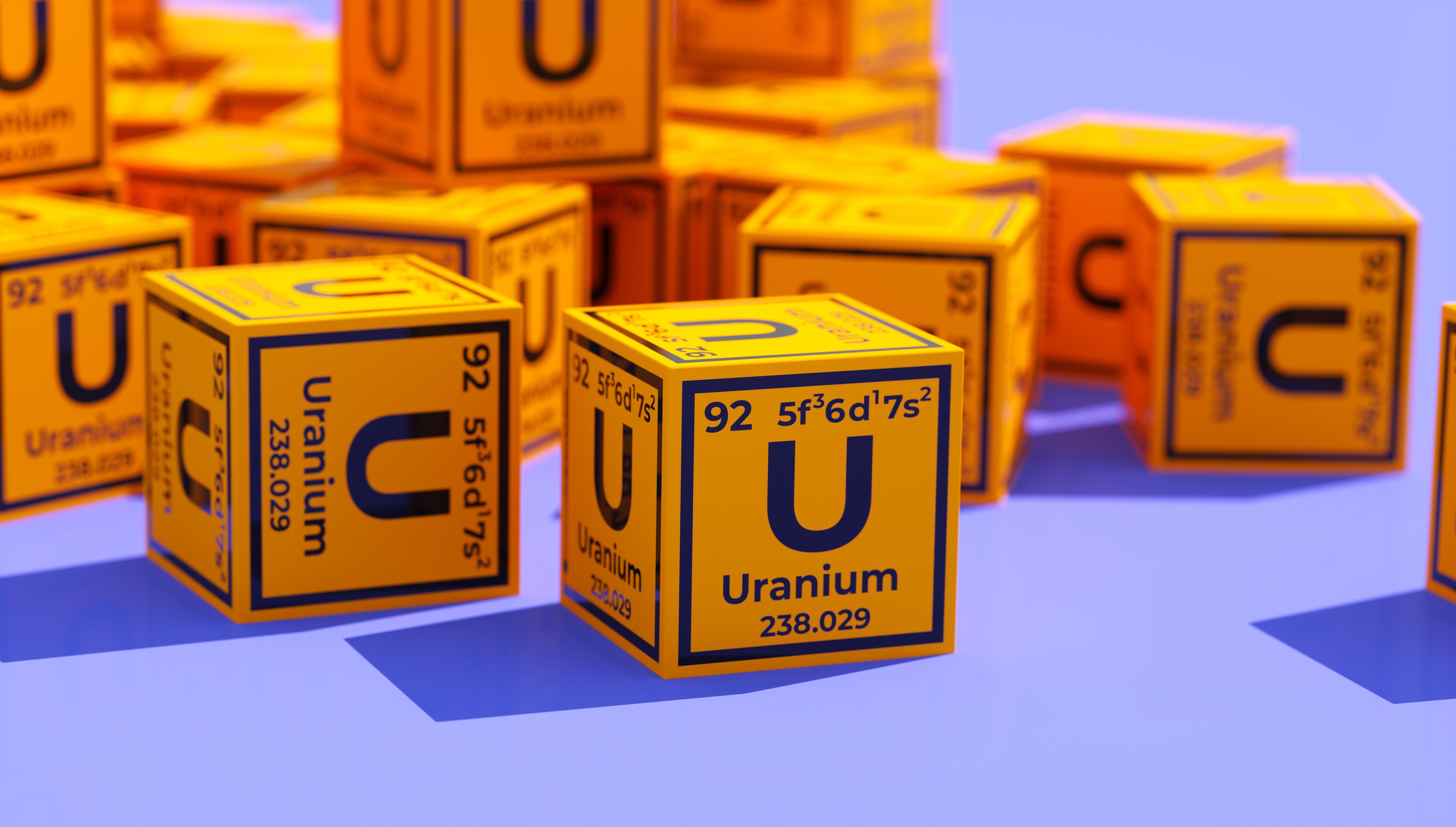
The nuclear energy market stalled out for about a decade after the 2011 Fukushima disaster. Many countries paused their nuclear expansion plans, and uranium prices plummeted.
But over the past few years, the nuclear market warmed up again. New decarbonization initiatives, safer nuclear technologies, and the soaring energy demands of the cloud infrastructure and artificial intelligence (AI) markets fueled that recovery. The International Atomic Energy Agency (IAEA) now expects the world's nuclear capacity to triple by 2060.

Image source: Getty Images.
The nuclear market's AI-fueled resurgence is generating a lot of buzz for developers of smaller, next-gen reactors like NuScale and Oklo. However, those companies haven't even deployed their first commercial reactors yet. So today, let's focus on three reliable, lower-risk nuclear stocks that powered the electrical grid long before the recent AI boom: Cameco (CCJ -2.06%), Constellation Energy (CEG -1.32%), and Vistra (VST -1.40%).
Cameco
Cameco, based in Canada, is the world's second-largest uranium miner after Kazakhstan's Kazatomprom. In 2025, it mined 15% of the world's uranium from its mines in Canada, the U.S., and Kazakhstan.
Back in 2023, Cameco partnered with Brookfield Asset Management to acquire Westinghouse Electric, one of the world's largest nuclear technology companies. That acquisition diversified its business and reduced its direct exposure to volatile uranium prices.
CCJ Cameco
NYSE · As of 4:00 PM ET 10/16/26
Cameco, like most other uranium miners, suffered a severe slowdown after the Fukushima disaster. To stay solvent, it temporarily shut down its largest mines and mills.
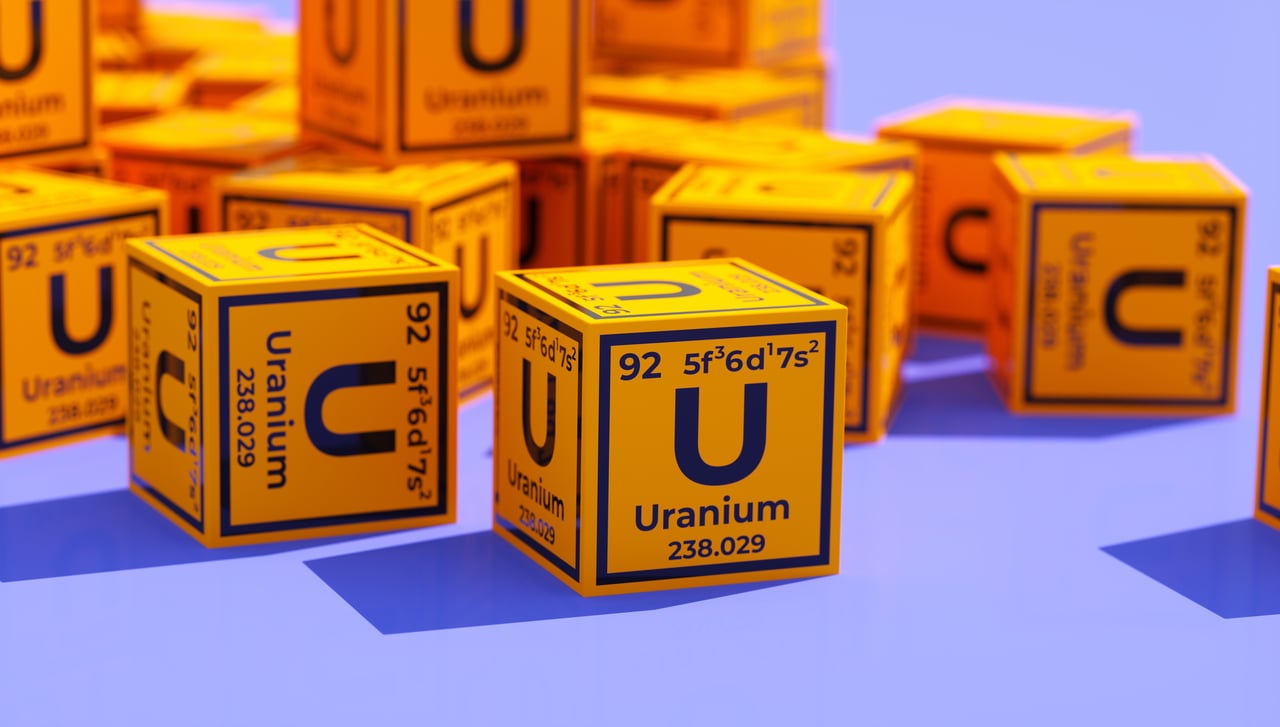
But from the end of 2020 to the end of this August, the spot price of uranium surged from $35.00 to $89.68 per pound. As uranium prices soared, Cameco reopened its mines to ramp up production, but global demand continues to outstrip supply.
That's why analysts expect Cameco's revenue and adjusted earnings before interest, taxes, depreciation, and amortization (EBITDA) to grow at CAGRs of 8% and 15%, respectively, from 2025 to 2028. It still looks reasonably valued at 21 times next year's adjusted EBITDA, and it should remain a linchpin of the nuclear market for the foreseeable future.
Constellation Energy
Constellation Energy is one of the top independent power producers in the United States, with a total capacity of 55 GW across its nuclear, natural gas, oil, geothermal, hydro, wind, and solar plants. It owns the largest fleet of nuclear plants in the U.S. with a combined capacity of 22 GW.
Constellation's nuclear power plants already serve 80% of the Fortune 100, including the top hyperscalers, and drive most of its earnings growth. It directly benefits from the Zero-Emission Nuclear Production Tax Credit (PTC), which subsidizes nuclear power plants when energy prices are lower and boosts their profits when energy prices are higher.
CEG Constellation Energy
NASDAQ · As of 4:00 PM ET 10/16/26

Constellation has plenty of irons in the fire. It's secured a 20-year power purchasing agreement (PPA) with Microsoft to restart Unit 1 at Three Mile Island (rebranded as Crane Clean Energy Center), it's scaling its PPAs with Meta and Walmart, it's upgrading the capacity of its existing plants, and it's integrating Calpine, the natural gas and geothermal energy giant it acquired for $26.6 billion this January.
From 2025 to 2028, analysts expect its revenue and adjusted EBITDA to grow at CAGRs of 15% and 38%, respectively. Yet it trades at just 12 times next year's adjusted EBITDA.
Vistra
Vistra is another leading independent power producer in the U.S., with a total capacity of 44 GW across its natural gas, nuclear, coal, solar, and battery energy storage facilities. It sells electricity through TXU Energy, Dynegy, Homefield Energy, Ambit, and its other regional subsidiaries. Natural gas accounts for most of that capacity, but its nuclear business is booming.
In 2024, Vistra acquired Energy Harbor to significantly expand its nuclear generation business. It's also upgrading its existing nuclear plants to generate more energy. Only 15% of Vistra's capacity comes from its nuclear plants today, but that percentage should continue to rise.
VST Vistra
NYSE · As of 4:00 PM ET 10/16/26
Vistra suffered a few setbacks over the past two years, including the permanent closure of its Moss Landing battery storage facilities (after a series of fires) and new caps on electricity capacity prices in the Mid-Atlantic and the Midwest. But it's weathered plenty of regulatory challenges and plant closures in the past, and it's still locked into the booming AI market through its PPAs with Meta and Amazon.
From 2025 to 2028, analysts expect Vistra's revenue and adjusted EBITDA to grow at CAGRs of 13% and 15%, respectively. It trades at just eight times next year's adjusted EBITDA, making it an undervalued way to profit from the insatiable demand for more electricity.