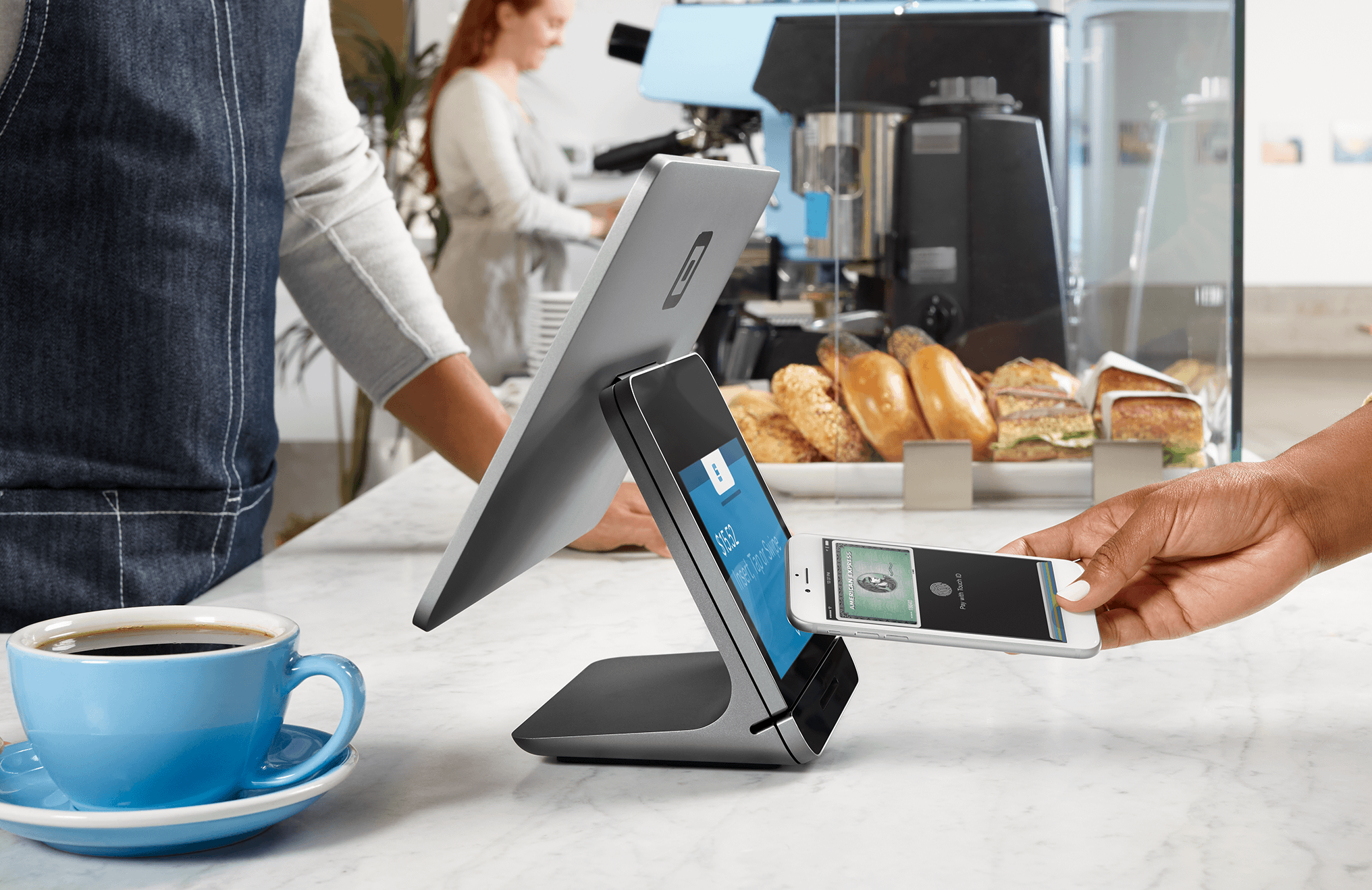
Block (XYZ -3.24%), the company behind the Square payment terminals at retailers and the developer of the popular Cash App, is entering the banking business.
Well, sort of. Earlier this month, the financial company announced it had submitted the regulatory paperwork to establish an uninsured national trust bank. This will be called Builders Bank & Trust, or more simply, Builders Bank. This is an attempt to improve the company's under-the-hood operations, particularly with regards to its Bitcoin business.

Image source: Getty Images.
Banking on approval
If the application is approved by the federal government's Office of the Comptroller of the Currency (OCC), Block would operate Builders Bank as a provider of custody and related fiduciary services. It specifically mentioned that it would offer such services for Bitcoin and stablecoins, although it didn't name any specific stablecoins.
While there are exceptions, the typical national trust bank differs from a retail or commercial bank in that it doesn't hold client deposits and offers no loans or other credit products. Instead, it primarily acts as a fiduciary (i.e., entity responsible for acting solely in the best financial interests of clients) in managing assets.
The emphasis on digital financial instruments is revealing. One advantage of operating a national trust bank for companies like Block is that it puts custodial and fiduciary activities under a single, nationwide charter overseen by a single regulator (the OCC). It also drastically reduces the need to pay custody fees for the managed assets.
That makes it much easier and notably less expensive to operate a Bitcoin and stablecoin business. Cryptocurrency is still somewhat of a tangle in terms of oversight and regulation in the U.S these days.
XYZ Block
NYSE · As of 4:00 PM ET 10/23/26
Always bullish on Bitcoin
Block embraced crypto years ago, specifically Bitcoin, both as a source of revenue (mainly through Cash App transactions) and a foundational digital currency for its treasury.
The app's users clearly like using it to buy and sell Bitcoin, as Bitcoin-derived revenue for the company in its most recently reported quarter was almost $1.9 billion -- nearly 29% of total net revenue for the period.
There's a major caveat here: under current accounting rules, the company books each total Bitcoin transaction as revenue. It keeps only a small slice of each transaction, which is why the Bitcoin business is low-margin (under 4%) with a gross profit of just over $72 million.
Block currently offers Cash App users the ability to transact in one stablecoin, USDC. However, this generates negligible revenue for the company, and its stablecoin operations are primarily aimed at facilitating quick transactions in other assets. That situation isn't likely to change with a national trust bank charter.
Regardless, I think this is a smart, considered move that could save Block plenty of time, effort, and capital in pursuing its crypto ambitions. Yet if I were an investor, I'd want a clearer picture of how the company plans to boost the profitability of its crypto activities. They aren't very lucrative at the moment.