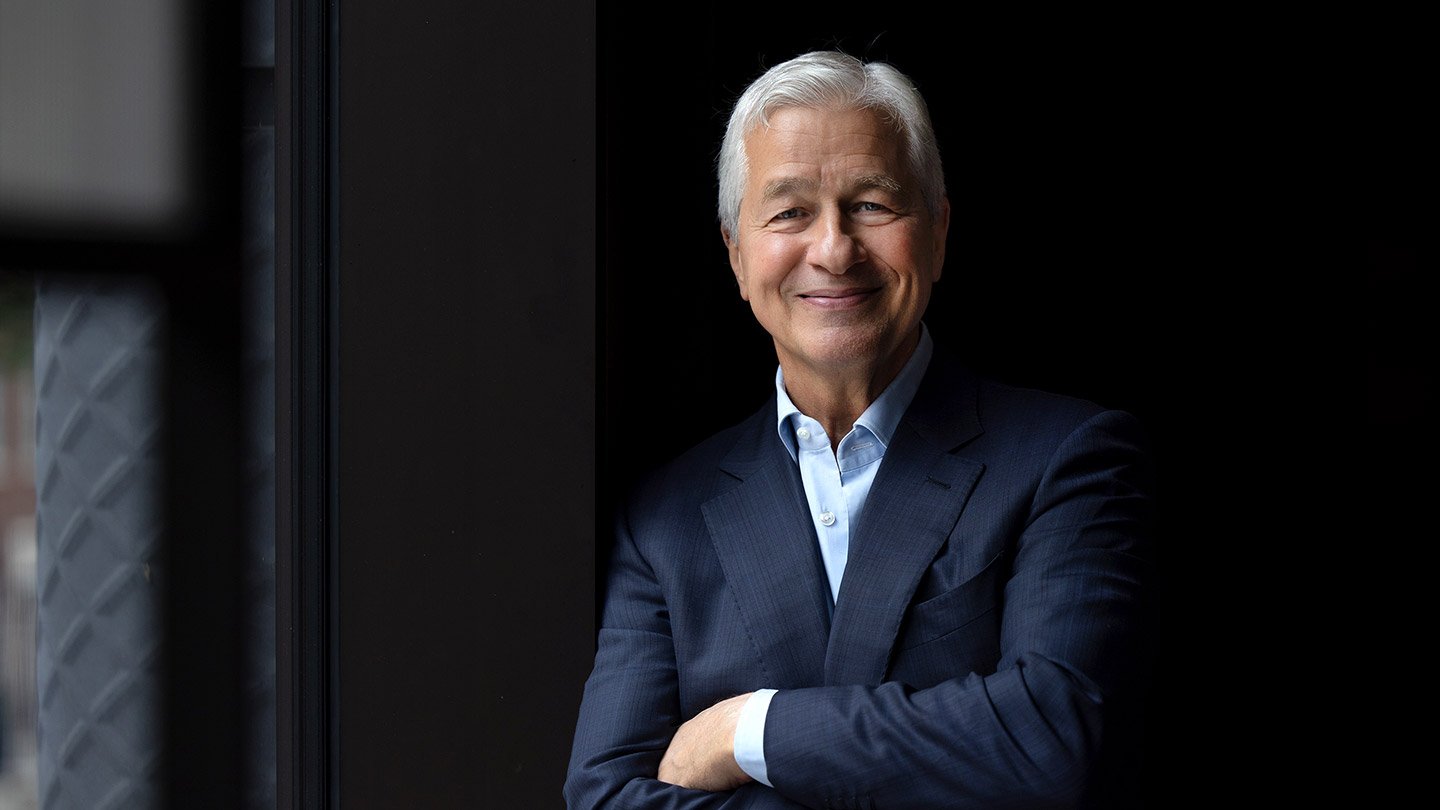
JPMorgan Chase (JPM -1.24%) CEO Jamie Dimon took the helm in early 2006. That was just before the start of the Great Recession, meaning he steered the ship through a very difficult period early in his tenure. At this point, roughly 20 years later, he is a highly respected voice on Wall Street. But the bank he runs is already preparing for his retirement. And it could materially reshape JPMorgan Chase. Here's what you need to know.
JPMorgan Chase is a giant business
First off, JPMorgan Chase isn't some local bank. It is one of the world's largest financial companies, with a market cap of nearly $900 billion. Jamie Dimon is at the helm of an aircraft carrier, and it requires more than just him to steer it. So he has a team that he carefully curated over two decades. It is very likely that the person who succeeds him will be a highly successful and skilled leader. That's the good news.
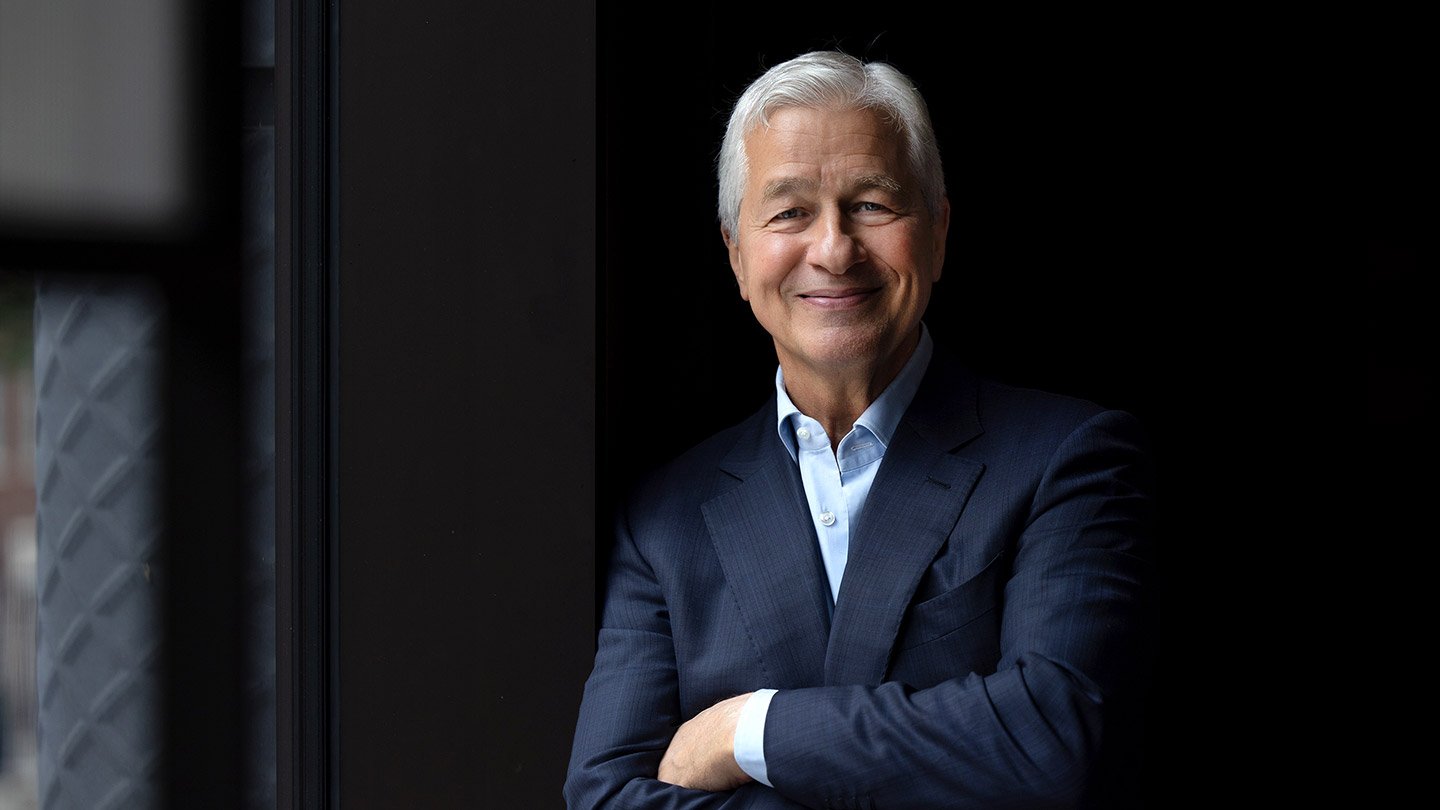
Image source: JPMorgan Chase & Co.
The bad news is that company leaders often get to where they are because of ambition. And that ambition usually doesn't stop just short of being the CEO. So it is highly likely that every one of Jamie Dimon's top lieutenants would like to be selected to replace him. However, only one can be.
That means there is an intense competition within JPMorgan Chase right now. And it may have already claimed its first casualty. Marianne Lake, a high-level executive, left the company around the same time JPMorgan Chase promoted Doug Petno and Troy Rohrbaugh to the roles of co-presidents. While it is possible that Lake simply felt like it was time to move on, it is just as likely that being passed over for the co-president role meant that the CEO spot was out of reach.

NYSE: JPM
Key Data Points
And while it looks likely that either Petno or Rohrbaugh will end up taking the bank's top spot when Dimon retires, that means that the other ends up "losing." It is likely that the person who isn't selected will also leave JPMorgan Chase. So, even as the new CEO comes in, JPMorgan Chase will be losing top executives.
The new CEO gets to pick their team
The positive side is that whoever the new CEO is, they will be able to pick the people they want for any vacated positions. That's a glass-half-full view. The glass-half-empty view is that brain drain could hurt the company's performance, as top talent looks for other opportunities with better prospects for advancement. Or where they could simply walk into the CEO role, given their resume at JPMorgan Chase.
Competition is normal at big Wall Street banks, so what's going on at JPMorgan Chase isn't shocking. But investors should be prepared for many new faces in the executive suite when Dimon's successor is finally announced.