The energy sector is known for its volatility, with oil and natural gas prices often rising and falling dramatically. Right now, commodity prices are high, thanks to the still unfolding geopolitical conflict in the Middle East. And what does integrated energy giant Chevron (CVX -0.20%) do? It starts to invest in the Middle East. Here's why Chevron has a habit of investing in countries others avoid.
Chevron thinks in decades
Chevron is one of the world's largest energy companies, with a portfolio that includes upstream (production), midstream (pipeline), and downstream (chemicals and refining) assets. Its portfolio is also geographically diverse, with assets spread across the globe. While investors tend to focus on the near-term ups and downs in oil prices, Chevron doesn't.

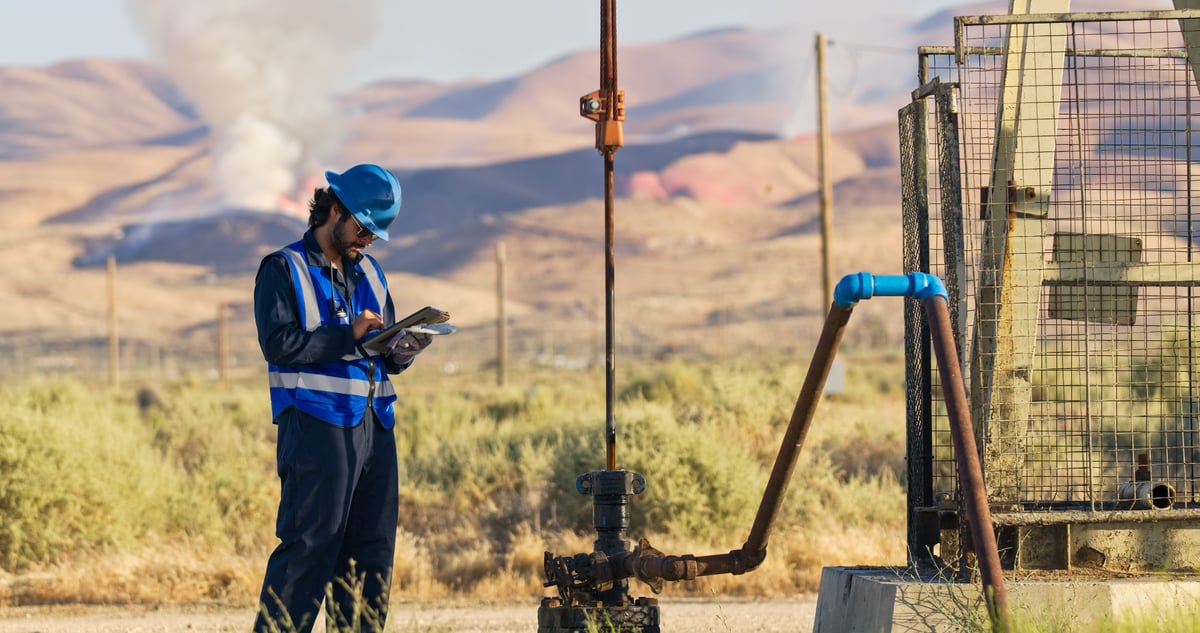
Image source: Getty Images.
Energy assets are huge capital investments. They can take years to build and produce for decades. Chevron can't focus on today's oil prices. It has to think long-term. And that changes the dynamics of its investment in the energy industry.
A great example of this is the company's long investment in Venezuela. For years, it was a thorn in the company's side. Today, however, with the country again opening up to the world, Chevron has an important seat at the table in a country with massive oil reserves. That gives it a head start over competitors that have been more conservative in their investments, such as ExxonMobil (XOM +0.12%), which still hasn't put any money to work in the country.

NYSE: CVX
Key Data Points
This is the background investors should consider when evaluating Chevron's recent efforts to expand its presence in the Middle East. The region is dealing with material geopolitical tensions right now, but when they eventually end, Chevron will again have a seat at the table in a region with substantial oil and natural gas resources.
Chevron has no choice but to think long term
Part of the issue is that oil and natural gas are only found in abundance in a relatively small number of places. That means large energy companies like Chevron sometimes have to operate in unsavory places. Chevron's willingness to step in early in countries like Iraq and Venezuela may look risky in the near term. However, for a business focused on the long term, such investments are less concerning and may even give Chevron an edge over more conservative competitors.
Now add in Chevron's financial strength, with a debt-to-equity ratio of roughly 0.2x, and it has the financial wherewithal to stick with bold bets even if they take years to play out. That's exactly what has happened in Venezuela. All in, investors should probably see Chevron's more aggressive investment approach, including its recent investments in the Middle East, as a positive, not a negative.