Supply shocks from Russia's war in Ukraine and the Iran war have led to the prices of liquified natural gas (LNG) doubling since the start of the year. Those shocks are just minor tremors compared to the earthquake underway that will affect any energy stock that touches LNG.
Between 2025 and 2030, facilities capable of exporting more than 330 billion cubic meters per year (bcm/yr) of LNG are scheduled to open, doubling the current LNG export capacity, according to data from the International Energy Agency.
These facilities belong to projects that were already under construction and had received their final investment decision (FID), the official agreement to finance and build them, as of 2025. This expansion represents the largest increase in export capacity in history. Ultimately, the way this influx of natural gas unfolds will heavily influence global gas supplies and prices.
That's a huge increase, but even that rate of expansion may not be enough to keep up with demand. The growth of LNG export capacity and the rise in LNG demand will have a big ripple effect on energy stocks. Let's see how.
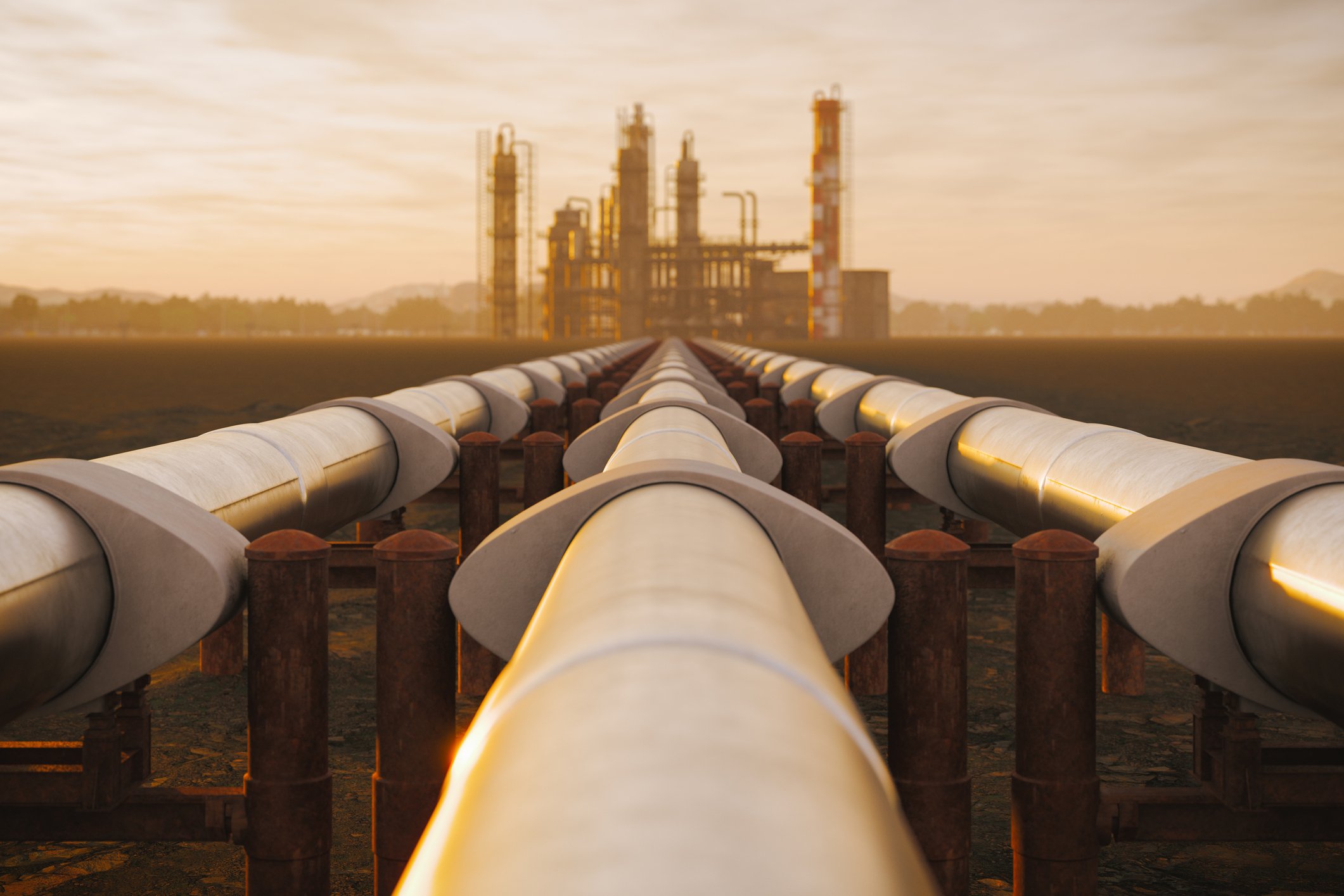
Image source: Getty Images.
Initially, the new LNG projects may hold prices down
Shell (SHEL +1.14%) projects global LNG demand to rise by around 65% by 2050, to nearly 700 million tonnes a year. ExxonMobil (XOM +0.29%), meanwhile, pointing to increased demand in Asia, forecasts that its annual LNG sales will reach 50 million tons by 2030 and continue to rise beyond the current decade.
However, in the short term, particularly when the Iran war ebbs, there's a good chance that initially supply will outpace growth in global demand, and benchmark natural gas prices, such as Europe's TTF and Asia's JKM, are expected to face strong downward pressure.
Companies heavily focused on gas extraction without locked-in long-term contracts will see squeezed profit margins as market prices drop from recent historical highs. Facilities relying on spot market sales, selling gas day-to-day, will face severe revenue pressure.

NYSE: SHEL
Key Data Points
Energy integrated energy majors such as Shell, ExxonMobil, Chevron (CVX +0.54%) and TotalEnergies (TTE -0.46%), will be insulated from some of the changes because they have long-term take-or-pay contracts. However, over time, their expiring contracts will likely be renegotiated at much shorter durations and at lower prices. That should put pressure on the margins of these energy majors.
The majors that adapt quickly to move cargoes to areas where demand and prices remain highest will thrive, but major oil and gas companies will face challenges.
Midstream operators should thrive
Midstream operators -- the companies responsible for gathering, processing, transporting, and storing natural gas -- are among the biggest long-term winners of the expanded LNG export capacity.
While upstream producers deal with volatile commodity prices, midstream companies typically operate on toll-road-like commercial models. Moving 330+ bcm/yr of additional gas requires massive throughput, creating a major growth runway for midstream infrastructure.
They get paid based on the volume of natural gas they move in their pipelines, not on the spot price. Pipeline operators feeding Gulf Coast terminals will see near 100% capacity utilization on their transmission systems.
The larger midstream operators with major pipelines that connect to the Gulf of Mexico stand to benefit in the long term, including Kinder Morgan (KMI +2.39%), Williams Companies (WMB +2.23%), Enterprise Products Partners (EPD +1.25%), and Enbridge (ENB +1.09%).
However, to keep up, these companies will incur significant capital expenditures as large-diameter, high-pressure natural gas pipelines are being constructed to directly link gas fields to coastal export plants.

NYSE: KMI
Key Data Points
Energy infrastructure and logistics companies should benefit
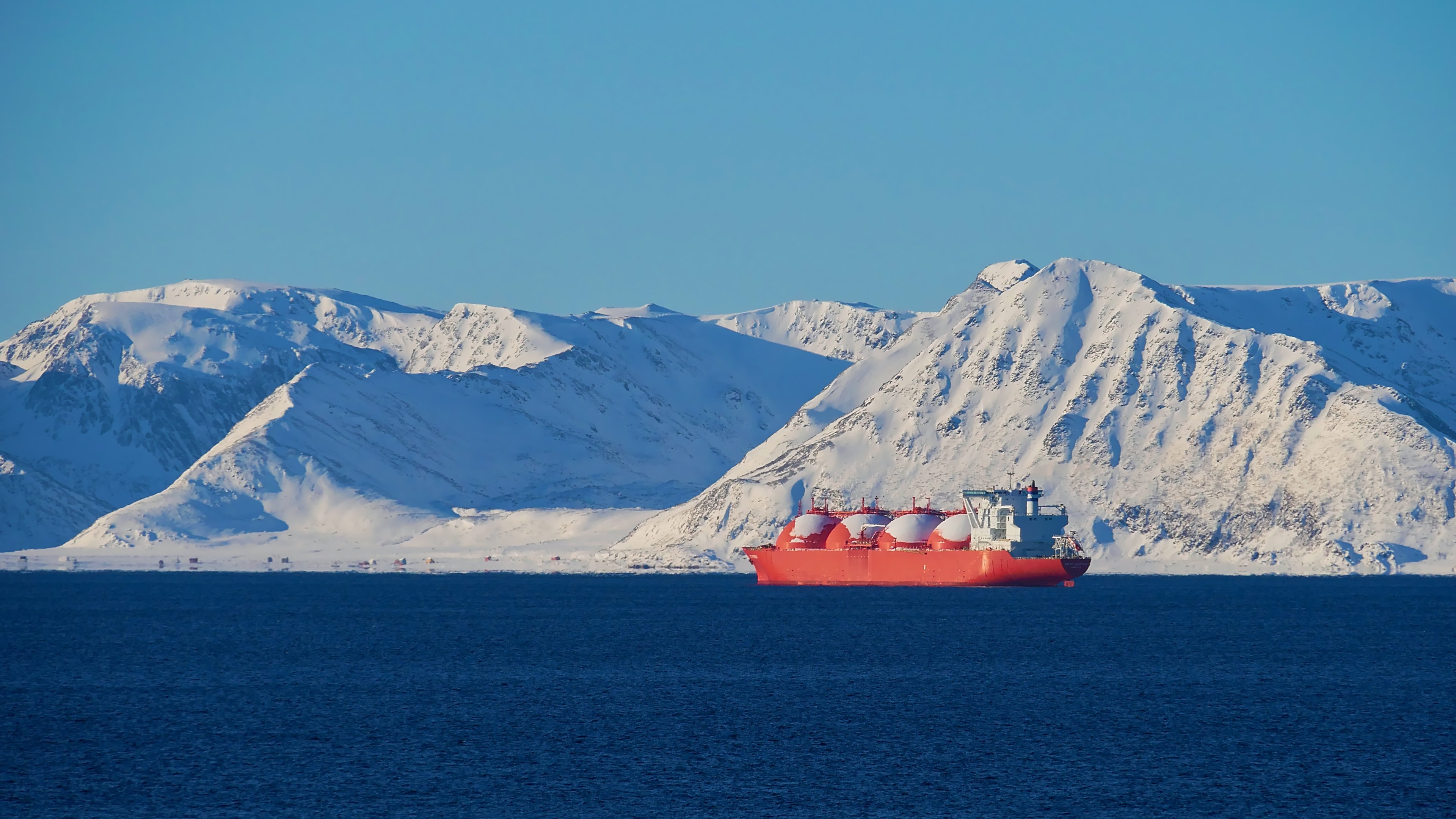
Any rise in LNG exports means that shipping, storage, and regasification infrastructure companies win regardless of where commodity prices end up. Stocks that could easily grow include LNG carrier operators such as Flex LNG (FLNG -0.89%) and Golar LNG (GLNG +0.58%). They should also see elevated charter demand to move the increased cargo volume across oceans.
Other companies that provide floating storage and regasification units, such as Excelerate Energy (EE +1.38%) and Höegh LNG (HMLPF +1.97%), will likely build receiving ports in emerging markets to catch cheap gas.
The trend will shake up the industry
The additional LNG export projects represent the largest and fastest wave of supply build-out in the history of the gas industry, driven primarily by mega-projects taking shape in the United States, Qatar, and Russia.
There will be winners and losers from this sea change. It's hard to say which major oil and gas producers will adapt and which ones will struggle. However, there are plenty of likely winners in LNG logistics, including midstream operators, LNG tankers, and storage companies, as they stand to benefit the most in the long term from the massive surge in gas throughput and transport demand.