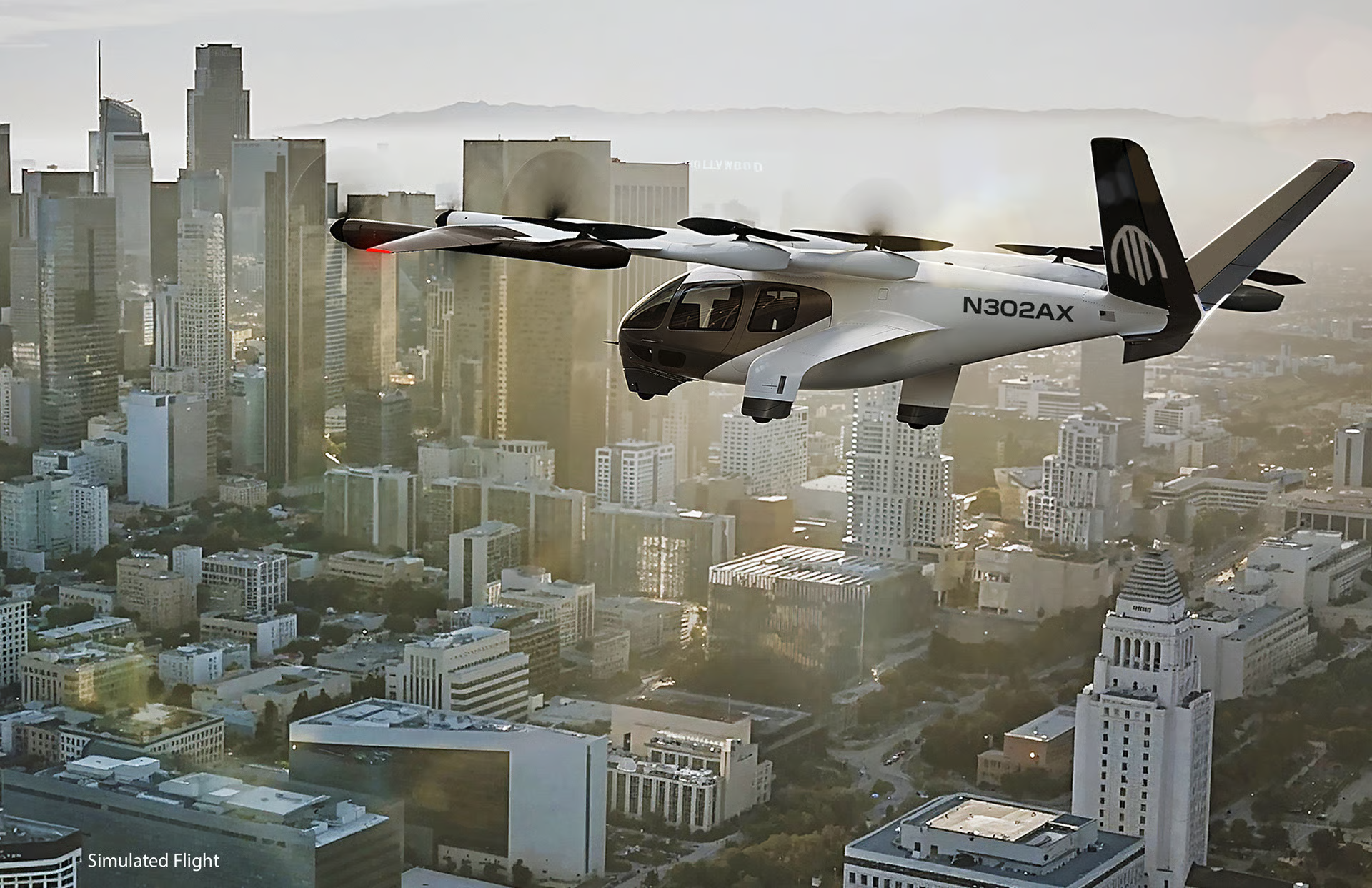
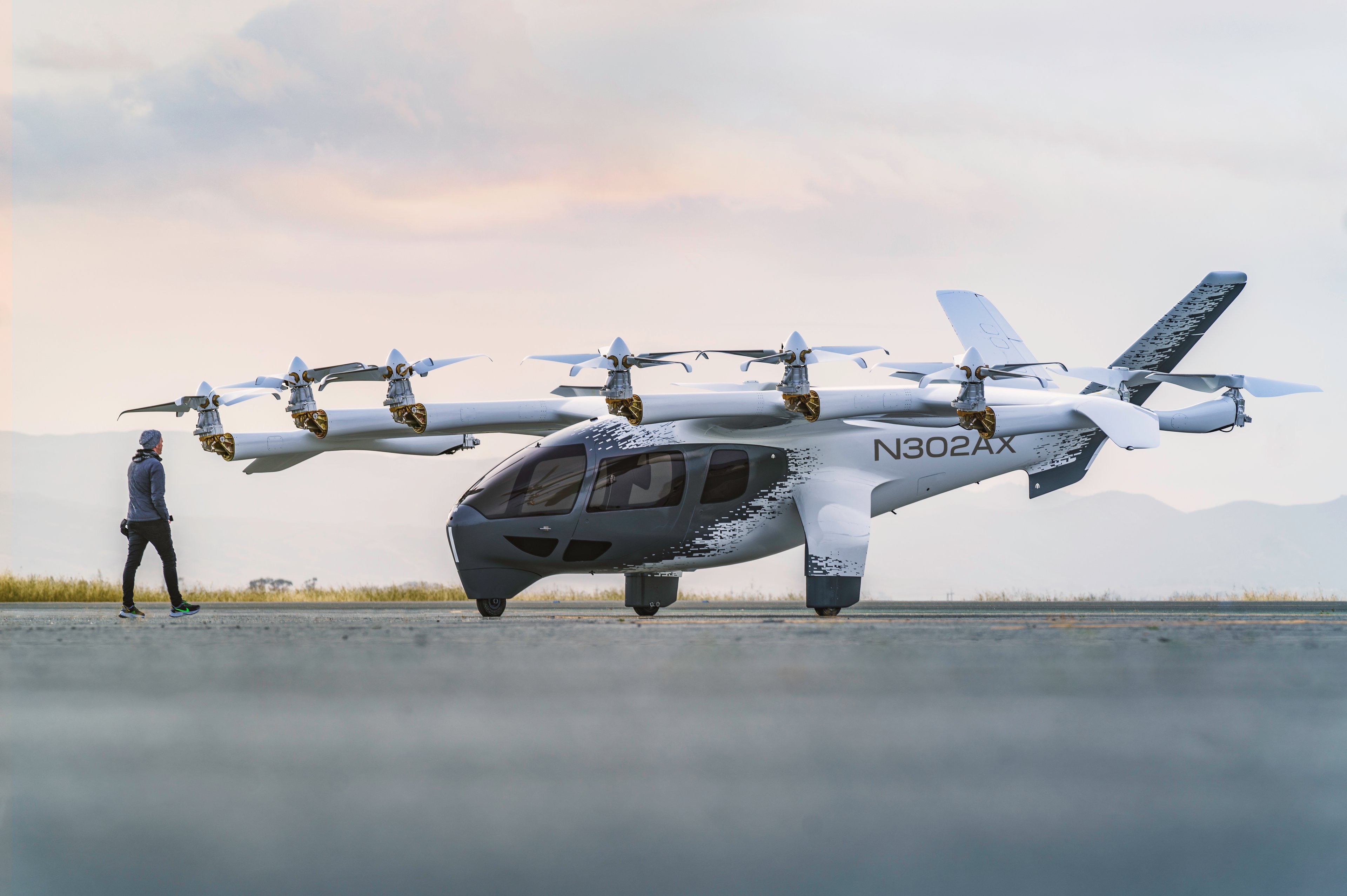
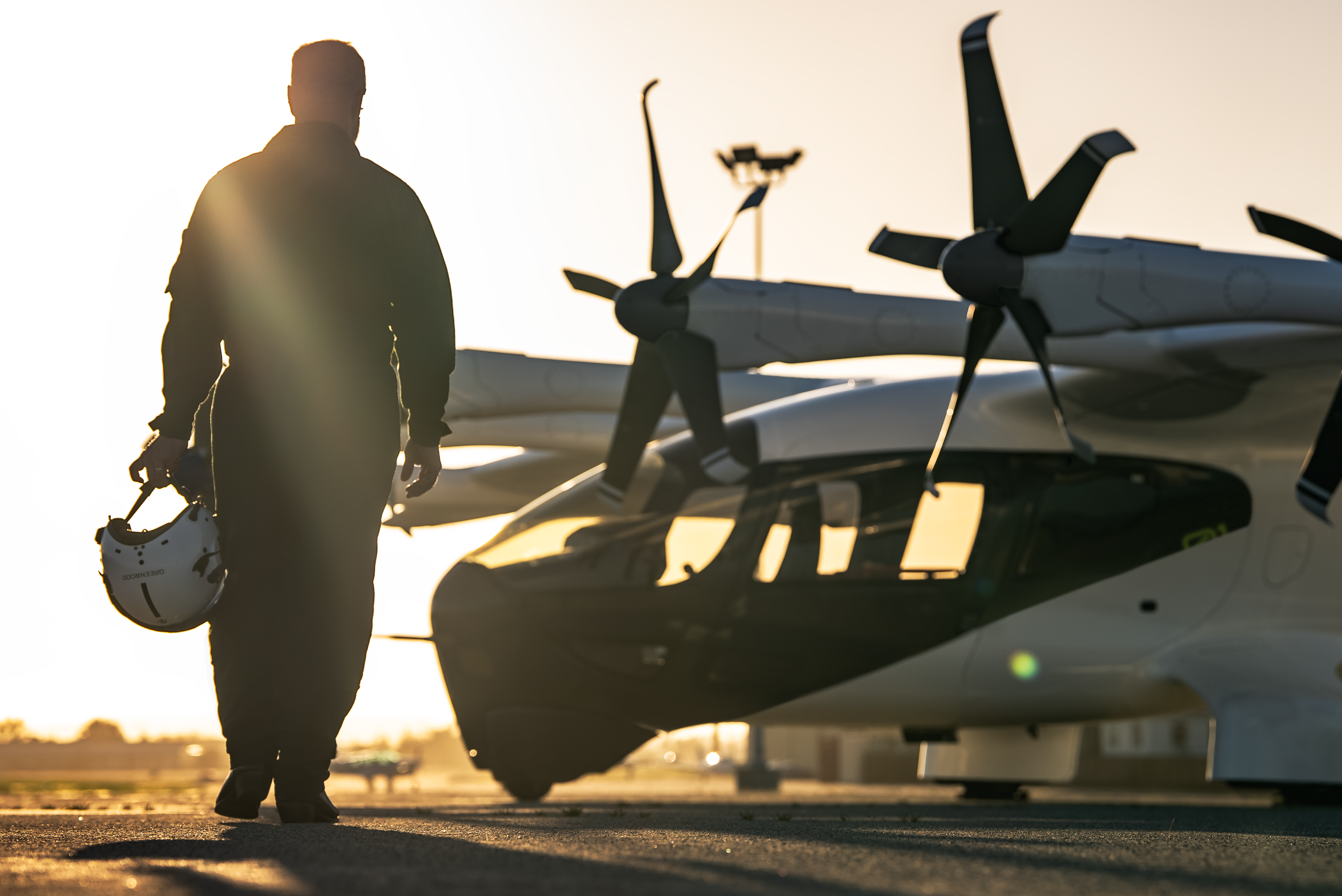
Archer Aviation (ACHR -8.33%) is an ambitious upstart building "flying taxis." That's a phrase I don't particularly like -- it's confusing, and doesn't really describe what Archer is trying to build -- but it does a decent job of naming the basic idea: An aircraft that, like a taxi, can shuttle people around cities.
Also called electric vertical takeoff and landing (eVTOL) aircraft, they're a part of the growing urban mobility market, a market that some people expect to represent a multi-trillion-dollar opportunity. Some have compared Archer's future business to Uber (UBER -2.85%), and the comparison has gotten investors excited over Archer stock. Currently trading at roughly a $3.75 billion market cap, Archer's stock could have enormous upside if it ever reached the $145 billion market cap Uber itself is worth today.
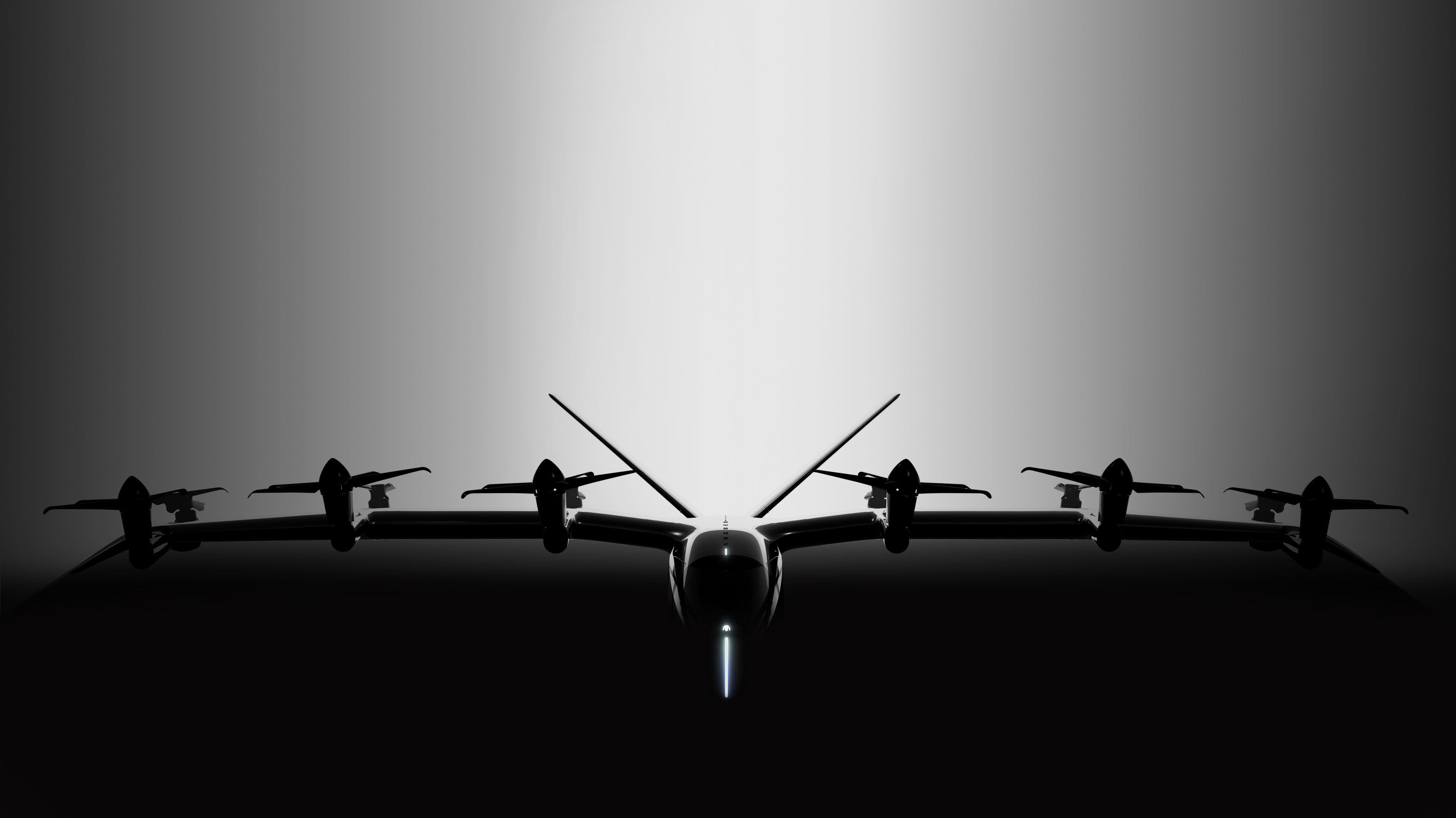
Image source: Archer Aviation.
Would it be enough to turn Archer investors into millionaires? Let's take a look.

NYSE: ACHR
Key Data Points
Could Archer mint new millionaires?
Since Archer stock has tanked by roughly 62% since last year, the path to millionaire status from this stock alone requires less upfront investment to make the math work.
If you'll grant me the assumption that Archer could reach Uber's size, then you would need to invest $26,000 today to end up with $1 million. That's assuming Archer's share count stays unchanged, which, honestly, is a poor assumption. If we assume the share count doubles along the way, you would need about $52,000 to reach the same $1 million.
And yes, Archer investors should expect dilution. In the immediate future, and possibly further out. Archer's pending acquisition of Boeing businesses Wisk, Insitu, and SkyGrid calls for issuing shares equal to about 19.75% of Archer's pre-closing share count -- and that doesn't include warrants. Archer also isn't generating enough to cover its spending, which could mean issuing more shares to keep the business afloat.
Could Archer's business ever support a $145 billion market cap?
From a distance, the comparison with Uber seems reasonable enough. Look closer, though, and the similarities disappear.
Here's the big difference: Uber hasn't needed to manufacture a fleet of cars to become a multi-billion-dollar company. Its drivers supply the vehicles. Archer, on the other hand, has to build its own aircraft. Each aircraft it builds could generate more revenue, but maintenance, pilot, insurance, charging, and other expenses will also increase its costs.
That's why treating Archer as an Uber of the skies can be misleading. Yes, the services look similar, but the costs of providing them are different enough that we shouldn't assume similar profitability or valuations.
For Archer to command a $145 billion market cap or higher, it needs to do something Uber never had to do: build the infrastructure for an aviation industry that doesn't exist yet. While at times investors might be overexcited about this stock -- as we saw last year -- I haven't yet seen enough evidence that Archer's business can grow large enough to turn a modest investment into $1 million or more.