ExxonMobil (XOM +2.46%) is looking for its next major offshore oil discovery, and Trinidad and Tobago could be where it finds one. The company has secured exploration rights to a massive deepwater block near Guyana, where Exxon and its partners have already discovered roughly 11 billion barrels of recoverable oil resources.
Exxon's head of global exploration, John Ardill, recently told the Financial Times that the company sees Trinidad as a geological extension of its successful Guyana operations. But there's a difference between identifying promising geology and discovering billions of barrels of oil. So the question is: Should you buy Exxon now or wait until the company drills its first exploration well?
Why Trinidad could become another Guyana
Exxon's Trinidad exploration block, known as TTUD-1, covers approximately 7,165 square kilometers, an area larger than Trinidad and Tobago's entire landmass. The block lies in waters roughly 2,000 to 3,000 meters deep, making exploration technically challenging and expensive. But Exxon has a lot of experience operating in similar conditions.
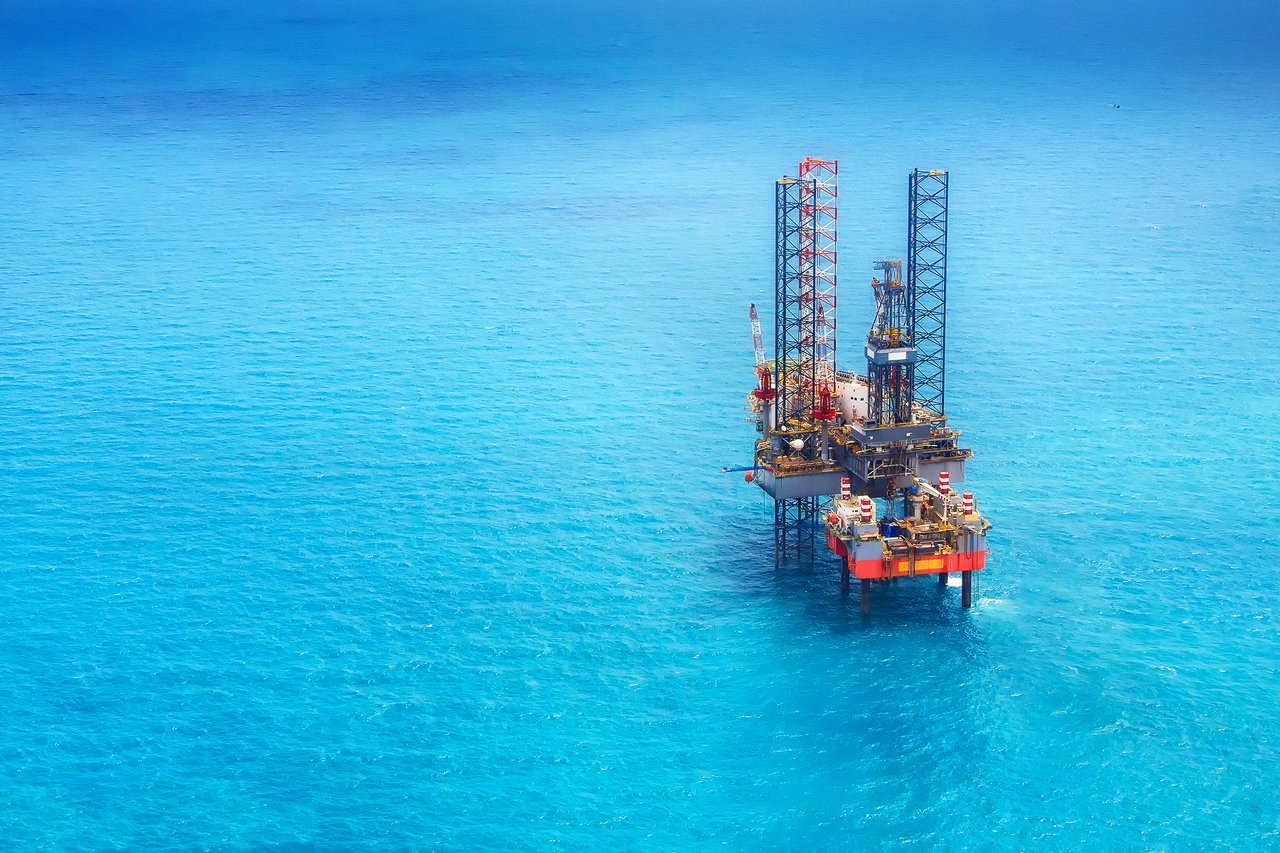
Image source: Getty Images.
In 2015, the company made its landmark Liza discovery offshore Guyana. Since then, Exxon and its partners have made more than 30 discoveries, transforming Guyana into one of the world's fastest-growing oil-producing countries. By late 2025, production had reached approximately 900,000 barrels per day.
Exxon and its partners have committed more than $60 billion to developing Guyana's offshore resources, with plans that could eventually lift production capacity to approximately 1.7 million barrels per day by 2030. Now the company wants to apply that same development strategy to Trinidad.
Exxon actually negotiated its Trinidad production-sharing agreement in just seven months, which is significantly faster than the usual process. It now expects to select its first drilling location by mid-2027, with an initial exploration well potentially following in late 2027 or early 2028.
If the well produces encouraging results, the company could move toward additional exploration and eventual development. Of course, there's no guarantee Trinidad contains anything close to Guyana's enormous resources. But that wouldn't be the end of the world.
XOM ExxonMobil
NYSE · As of 4:00 PM ET 10/16/26

Exxon doesn't need Trinidad to succeed
If you're considering buying shares of Exxon today, you're not buying a company dependent on one speculative exploration project. In the second quarter of 2026, Exxon reported $14.5 billion in earnings, or $3.48 per share. Operating cash flow reached $23.6 billion, while free cash flow totaled $17.2 billion. The company also returned $9.4 billion to shareholders during the quarter, including $4.3 billion in dividends and $5.1 billion in share repurchases.
Meanwhile, its existing operations continue expanding. In fact, Exxon is increasing production in the Permian Basin where output reached a record 1.8 million oil-equivalent barrels per day in Q2 2026, and its fifth offshore production vessel in Guyana is expected to begin operations in Q4, adding another 250,000 barrels per day of production capacity.
So Trinidad really just represents another potential source of long-term growth, not the foundation of Exxon's current profitability. And that gives you some flexibility. In other words, a disappointing Trinidad exploration result wouldn't erase Exxon's established production, refining operations, or cash-generating assets.
Buy now or wait?
I'd lean toward buying Exxon before the first Trinidad well, particularly if you're planning to hold the stock for several years. Waiting for a successful discovery could provide greater confidence in Trinidad's resource potential. But it could also mean buying after some of that optimism has already been priced in.
That said, I wouldn't buy the stock solely because management hopes to repeat Guyana's success. Exploration wells can disappoint, and commercial production would likely remain years away even after a discovery. But if you want exposure to a financially established energy company with additional growth potential, I see little reason to make a Trinidad drilling result the deciding factor. Exxon's existing business supports the investment case. A major Trinidad discovery would just be an added benefit.