Tesla (TSLA -0.74%) has plenty of ways to make Wall Street nervous. Competition is intensifying in the electric vehicle (EV) space, its automotive profit margins have come under pressure, and investors are now paying a premium for a company whose future increasingly depends on businesses that have yet to prove themselves commercially.
Those concerns are legitimate. But focusing exclusively on Tesla's EV sales means ignoring much of what could drive the company's growth over the next decade.
Image source: Getty Images.
Why Wall Street is cautious
The EV segment Tesla operates in has become significantly more competitive. Chinese manufacturers, particularly BYD, have expanded aggressively, while traditional automakers keep introducing new electric models, though most still fall short of its models on range and price.
Tesla also faces a difficult balancing act. Cutting its vehicle prices can help stimulate demand, but it also reduces the profits earned on each car sold. And of course, the financial impacts of previous price cuts are already taking their toll. Tesla's automotive gross margin, excluding regulatory credits, fell from 26.7% in 2022 to 16.3% in the second quarter of 2026. Meanwhile, the company's current valuation reflects expectations for substantial future growth.
Make no mistake, if you're buying Tesla stock today, you're not just paying for an automobile manufacturer. You're paying for anticipated successes in autonomous driving, robotics, and energy storage.

NASDAQ: TSLA
Key Data Points
Why I'm looking beyond vehicle sales
Tesla's energy business is one of the clearest areas where it's growing outside of the EV segment. In Q2, its energy generation and storage revenue increased 13% year over year to $3.14 billion. And this followed a strong 2025, when the energy business generated $12.77 billion in total revenue, up 27% from 2024.
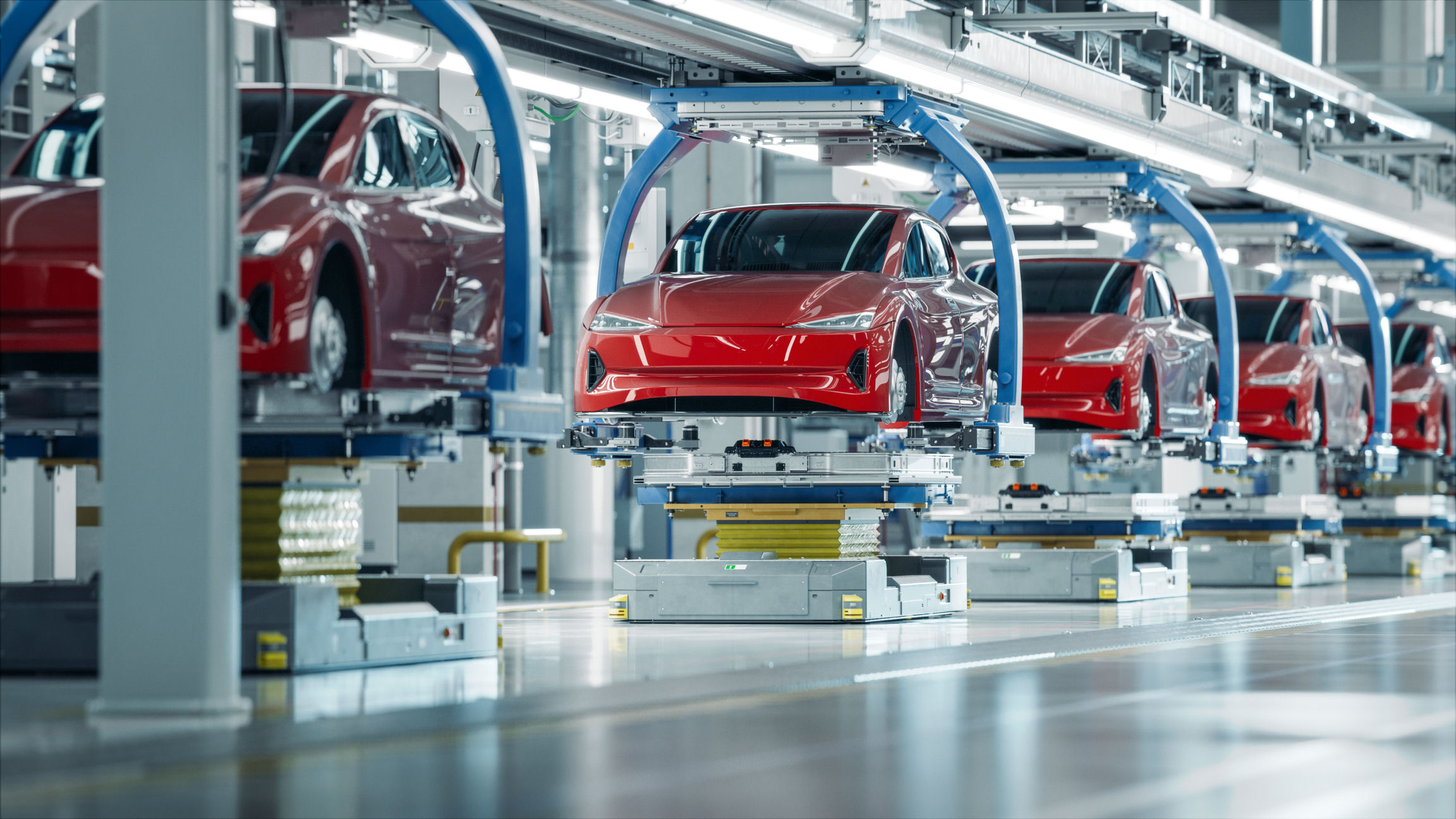
Tesla also has an advantage that many emerging robotics and autonomous vehicle companies lack: manufacturing experience. The company has spent years developing batteries, electric motors, power electronics, and software. Those capabilities could support its ambitions in autonomous transportation and humanoid robots.
To be sure, the Optimus robot remains an early-stage project, and there's no guarantee it'll become commercially successful. But the company has the engineering resources and manufacturing infrastructure to pursue the opportunity without starting from scratch.
Autonomous driving offers another potential source of growth. A commercially successful robotaxi business could eventually generate significant recurring revenues.
The longer-term picture
I wouldn't dismiss investors' concerns about Tesla's valuation, nor do I assume its robotics ambitions will succeed. But I also wouldn't value Tesla solely based on its quarterly vehicle deliveries.
Its energy storage operations already generate billions in annual revenue, while its autonomous driving and robotics plans provide avenues for expansion. In fact, while Tesla stock is currently trading in the neighborhood of $375, a recent Morningstar analysis valued it at $450 per share, with roughly 30% of that estimate tied to its robotaxi opportunity. That translates to more than $135 per share. Meanwhile, Piper Sandler valued Tesla's existing business lines at approximately $400 per share while maintaining a $500 price target, implying $100 per share in potential value for Optimus, AI inference, and other opportunities. These estimates are speculative, but they illustrate how much of Tesla's potential is based on businesses beyond electric vehicle sales.
So while Wall Street is understandably focused on the company's near-term profitability, I'm more interested in whether Tesla can turn its technology and manufacturing capabilities into several substantial businesses over the next decade. I believe it can, and that's why I'm willing to look beyond the current concerns.