Nvidia (NVDA -0.59%) and Broadcom (AVGO -0.48%) are two of the leading semiconductor companies at the center of the ongoing artificial intelligence (AI) revolution. Both tech leaders have been handsomely rewarded for their troubles. Over the past five years, Nvidia's shares have climbed by about 904%, as of writing, while Broadcom has gained 563%.
Both could continue capitalizing on the AI industry's growth, but which one will perform better over the next five years? My money is on Nvidia, and here is why.
Image source: The Motley Fool.
Is Nvidia's momentum about to stop?
Nvidia is best known for making GPUs (graphics processing units), the workhorse of AI training. Demand for the company's products has been the main driver behind outstanding revenue and earnings growth in recent years.
However, many worry that this tailwind may be coming to an end. There is increased demand for Application-Specific Integrated Circuits, custom AI chips designed to handle specific workloads. Broadcom is a leader in designing ASICs.
As companies increasingly seek to reduce their reliance on Nvidia's hardware for various reasons, including price-related ones, Broadcom may benefit. Even so, several things signal that demand for Nvidia's GPUs will remain high for the foreseeable future. For instance, even as some of the hyperscalers double down on AI chips, they remain loyal Nvidia customers.
NVDA Nvidia
NASDAQ · As of 4:00 PM ET 10/23/26

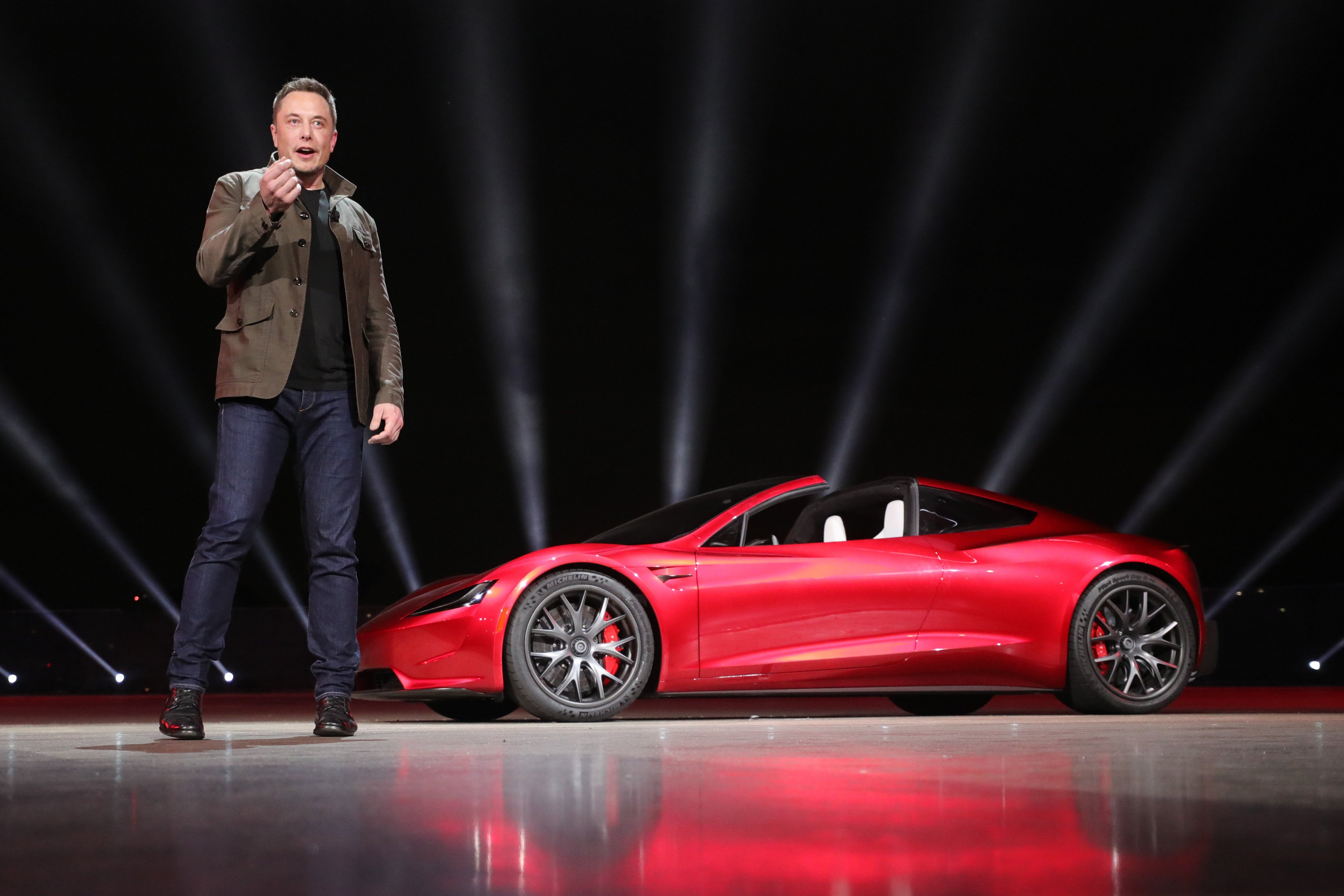
Some of them have said so. Amazon's (AMZN -0.95%) CEO, Andy Jassy, predicted that the company would be an Nvidia partner for as long as he can foresee. Other companies, including Tesla (TSLA -0.63%) and Space Exploration Technologies (SPCX +1.89%), are spending fortunes on their AI-related ambitions. So, it appears that the predicted continued increase in AI infrastructure spending will benefit Nvidia over the medium term.
It should benefit Broadcom as well, but there are several reasons Nvidia is arguably in a better position. Let's consider three of them. First, Nvidia is the undisputed leader in the GPU market, holding a more than 90% market share.
The company's technological expertise is only part of the reason it has remained the top player in this industry. Its real competitive edge stems from its CUDA ecosystem, which creates high switching costs.
Broadcom is also a leader in the ASIC space, but its roughly 60% market share isn't nearly as impressive as Nvidia's dominance in GPUs. Besides, I'd argue that Broadcom's moat is narrower, while the company is increasingly facing tough competition. Second, even as Broadcom's AI semiconductor revenue continues to grow rapidly, this business has lower gross margins than the company's Infrastructure software segment.
AVGO Broadcom
NASDAQ · As of 4:00 PM ET 10/23/26
So, as AI semiconductor revenue accounts for an increasingly large percentage of revenue, gross margins could drop. That won't mean lower profits. It will mean a lower gross profit per dollar of revenue.
Third, Nvidia is no longer just a GPU company. The company has expanded well beyond that and now offers a full-stack AI platform. The company's GPU business should remain the main growth driver, but other products, such as CPUs (central processing units), should contribute meaningfully over the medium term.
It is true that Broadcom is significantly diversified beyond its semiconductor solutions, notably thanks to its software segment. But Nvidia has also made an effort to diversify its business, and that could pay rich dividends down the road.
Do valuation considerations tip the scales in Broadcom's favor?
Which one of these two companies appears more attractively valued right now? Some might say it is Broadcom. It is trading at 19.4x forward earnings, versus Nvidia's 24.9x, and an average of 19.3x for information technology stocks. I'd buy Broadcom's shares at current levels, but Nvidia looks more attractive given its position in the AI industry and therefore deserves a higher premium. So, even with a higher forward price-to-earnings ratio, Nvidia could outperform Broadcom over the next five years.