Why do early retirement expectations erode as workers age? Younger workers may underestimate retirement costs. Housing, healthcare, and the overall cost of living have continued to increase. Gen Z and millennials may also overestimate their ability to save for retirement, particularly if they face unexpected life events such as prolonged unemployment, medical expenses, or other issues.
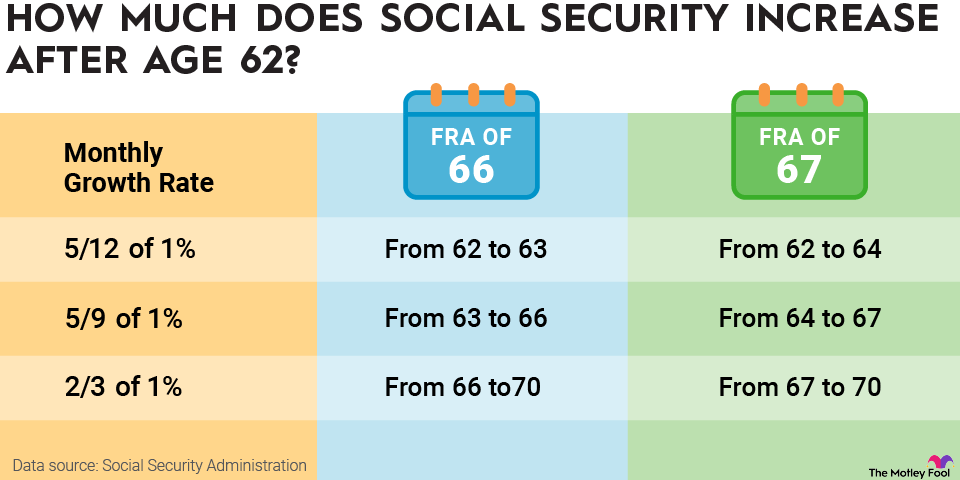
Additionally, older workers are often incentivized to delay retirement and keep working to reach full retirement age, get the most out of their Social Security benefits, and stay off Medicare.
Most Americans worry they cannot save enough to retire
The gap between the expected retirement age and the actual retirement age is partly financial. Six in 10 Americans (62%) agree they could work until retirement and still not save enough to meet their needs, according to the Transamerica Center for Retirement Studies 26th Annual Retirement Survey.
Among not-yet-retired workers, the median estimated savings target is $500,000 in today's dollars. Still, half of those who offered a number said they arrived at it by guessing, and only 13% used a retirement calculator. The uncertainty runs deeper still: 72% of not-yet-retired workers agree with the statement "I am concerned that when I am ready to retire, Social Security will not be there for me."
Average retirement savings and net worth data paint a similar picture of financial unpreparedness for many households, underscoring why the average retirement age has remained elevated even as expectations have shifted earlier.
Retiring on your terms
The average retirement age over the last 60 years has barely moved for men and risen meaningfully for women. Fewer people are retiring in their 60s than two decades ago, and the financial headwinds, savings shortfalls, debt, and Social Security uncertainty are real for a large share of workers across every generation.
The share of workers who do not plan to retire at all has fallen sharply, from 19% in 2020 to 10% in 2025, suggesting that more Americans are holding onto the expectation of retirement even if the timeline is later than they once hoped. For those planning beyond age 65, a clear retirement strategy remains critical to making the most of their years after work.