The nonprofit advocacy organization The Senior Citizens League (TSCL) found that roughly 22 million Americans live on Social Security alone. That's no easy feat, given that the average monthly Social Security benefit is around $2,000.
While Social Security benefits were never intended to be the sole source of income for retirees, those 22 million are making a go of it. It's easier said than done -- particularly in states that rank as least affordable, even for retirees with no mortgage payments to contend with.
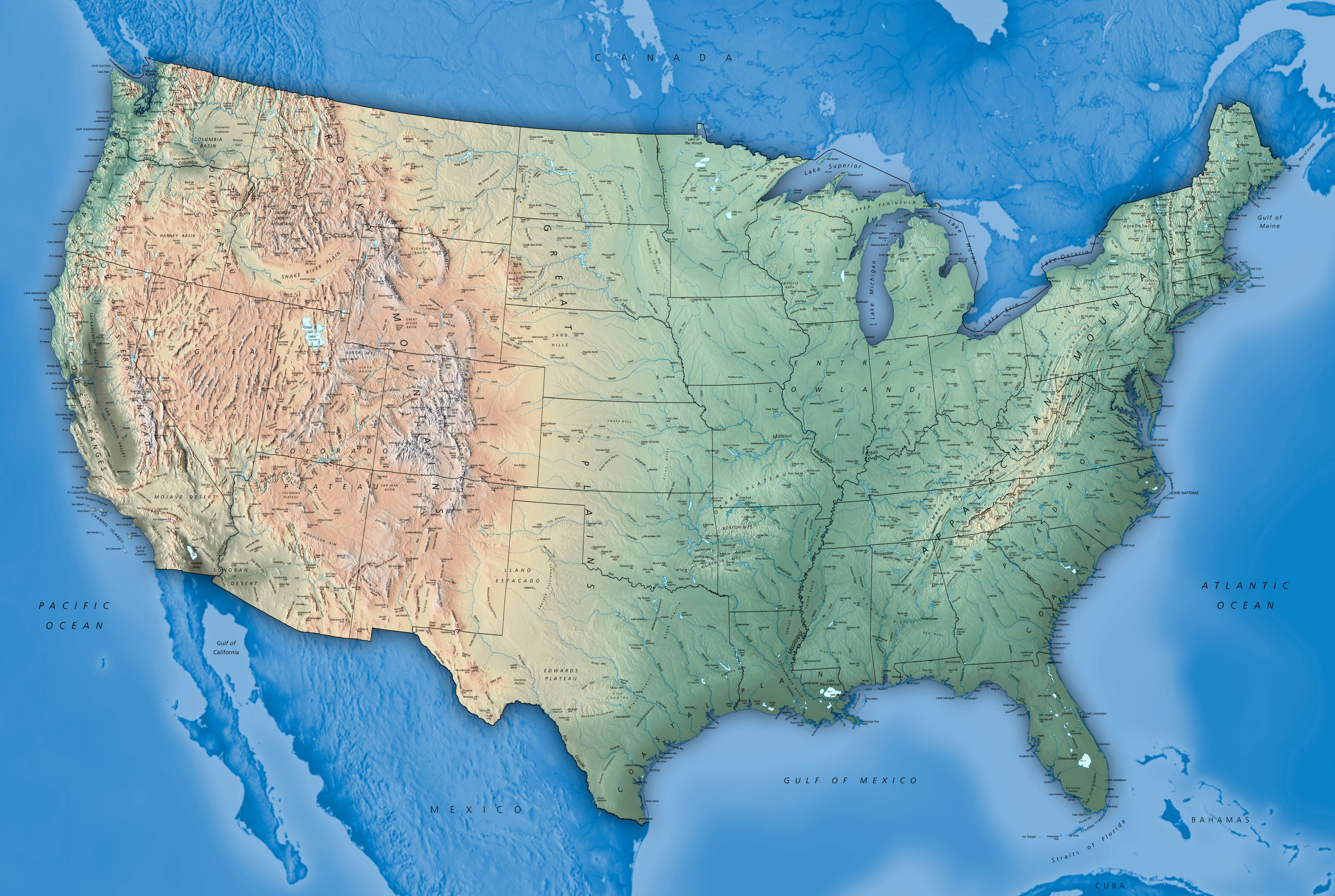
Image source: Getty Images.
Note that the "monthly housing expenses" mentioned in this article cover all costs associated with homeownership, whether a mortgage is paid off or not. This includes housing costs like property taxes, utilities, home repairs, and general maintenance.
According to a Realtor.com study, here are the ten states where the median Social Security payment doesn't stretch far enough to cover the cost of living:
|
State |
Median Monthly Benefit |
Monthly Housing Expenses |
Total Monthly Expenses |
Total Monthly Shortfall |
|---|---|---|---|---|
|
Vermont |
$1,954 |
$838 |
$2,628 |
$674 |
|
New Jersey |
$2,172 |
$1,304 |
$2,798 |
$626 |
|
Massachusetts |
$2,022 |
$1,007 |
$2,634 |
$612 |
|
New York |
$1,974 |
$1,065 |
$2,578 |
$604 |
|
New Hampshire |
$2,121 |
$921 |
$2,668 |
$547 |
|
Connecticut |
$2,159 |
$983 |
$2,612 |
$453 |
|
Rhode Island |
$1,994 |
$740 |
$2,341 |
$347 |
|
Alaska |
$1,795 |
$623 |
$2,141 |
$346 |
|
Maryland |
$2,084 |
$755 |
$2,390 |
$306 |
|
Maine |
$1,809 |
$637 |
$2,110 |
$301 |
Data source: Realtor.com.
Being mortgage-free isn't the same as having no housing costs
If you're retired or quickly coming up on retirement, you may remember a television show called Mayberry R.F.D. One 1969 episode featured a handyman named Emmett Clark (a character first introduced on The Andy Griffith Show). In this episode, Emmett gathered friends and neighbors to his shop to celebrate.
In one hand, Emmett held his mortgage note, and in the other, a blowtorch. The message was clear: By paying off (and blowtorching) his mortgage, he was now ready to retire. Chances are, when calculating how much money he needed to retire, Emmett decided he'd be ready when he no longer had a mortgage to contend with.
The reality is, whether you own a home or not, you'll always have housing costs. You'll be either paying rent or spending money on property upkeep. Unless you live with a friend or relative who won't accept a dime from you, housing costs are a way of life.
That's why soon-to-be retirees need to determine whether they can afford to stay put, or need to consider relocating to a less expensive state (or country) to make the most of their retirement income.
Other sources of income
While some may love the excitement of relocation, many want to stay in the spot where they've planted roots. If that describes you, it's never a bad idea to plan alternative sources of income for retirement. Whether that means putting more into a retirement account, buying rental property, or starting a small business, an extra stream of income will help offset both inflation and the everyday cost of living.