If you're turning 73 this year, it may be a milestone year in the context of your retirement savings. That's because traditional IRAs and 401(k)s require savers born before 1960 to begin taking required minimum distributions (RMDs) at age 73.
RMD have to be taken by Dec. 31 of every year. But there's an exception for your first RMD. You're allowed to defer that initial distribution to April 1 of the year following your 73rd birthday.

Image source: Getty Images.
It's an option you may be considering. That way, you can defer the tax bill that comes with that RMD.
But you should know that putting off your first RMD could have major consequences. Here are two you should be aware of.
1. You could trigger taxes on your Social Security benefits
If you delay your first RMD, you'll have to take two RMDs the following year. Doubling up on retirement plan withdrawals could push you into a higher tax bracket, causing you to owe the IRS more money.
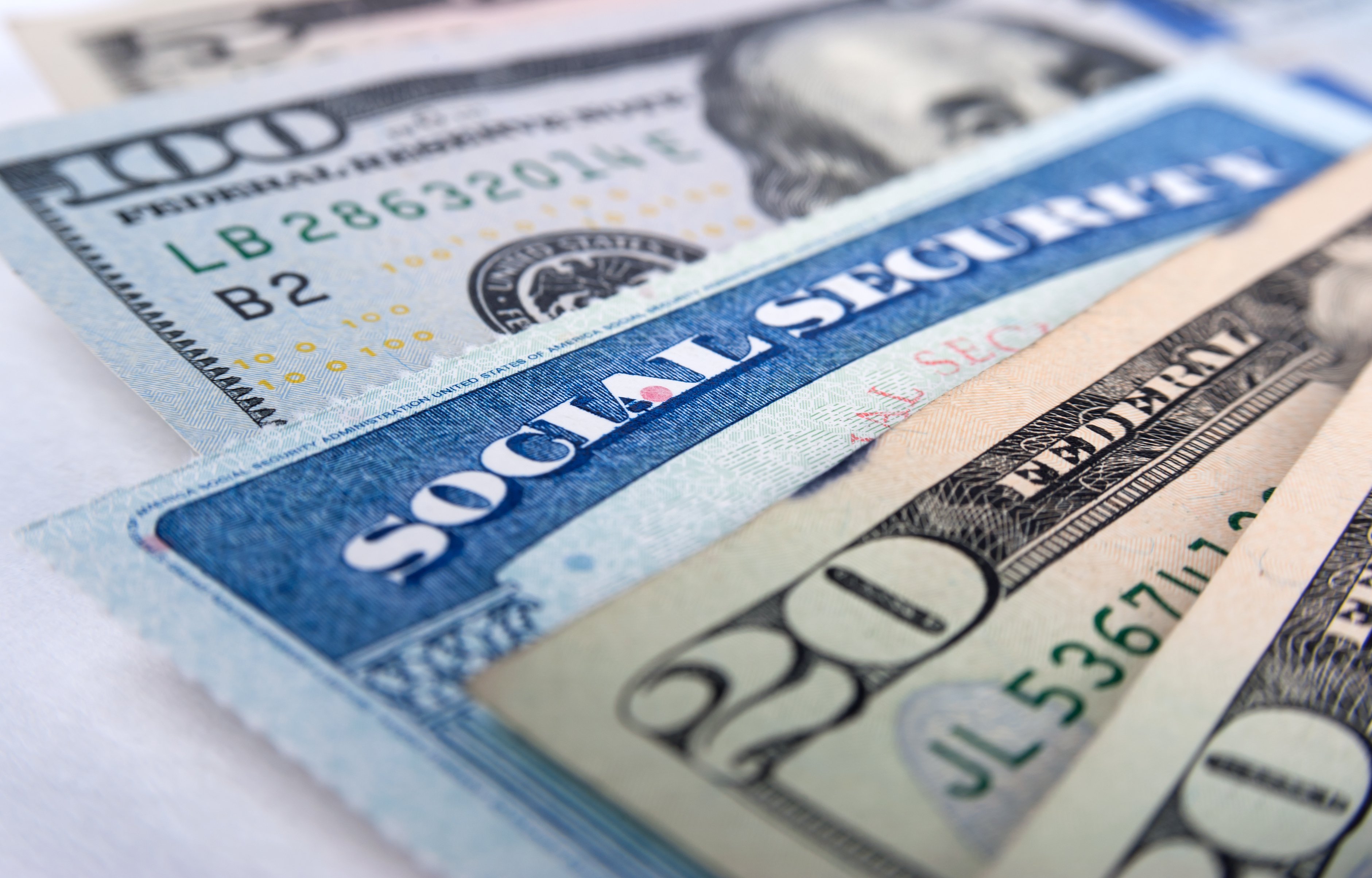
But that's not all. The additional income from two RMDs in the same year could push you to the point where you have to pay taxes on your Social Security benefits.
Social Security benefits are subject to taxes once your income reaches a certain level. And two mandatory withdrawals in the same year could end up costing you a portion of those monthly checks.
2. Your Medicare premiums could rise
Medicare enrollees pay a standard monthly premium for Part B. Part D drug plan premiums are plan-specific. But if you take two RMDs within the same calendar year, you could end up having to pay more for both Part B and Part D.
Medicare imposes surcharges on enrollees with higher incomes known as IRMAAs, or income-related monthly adjustment amounts. IRMAAs are based on income from two years prior.
If you take two RMDs in the same year, you may not feel the Medicare impact right away. But you could end up having to pay more for Part B and Part D down the line.
Get all of the facts first
The decision to defer your first RMD isn't automatically the wrong one. In some situations, it could make sense.
But before you decide that taking two mandatory retirement plan withdrawals in a single year is a smart move, make sure you understand the repercussions that could ensue. Depending on your circumstances, you could lose money to both Social Security benefit taxes and unwanted Medicare surcharges.