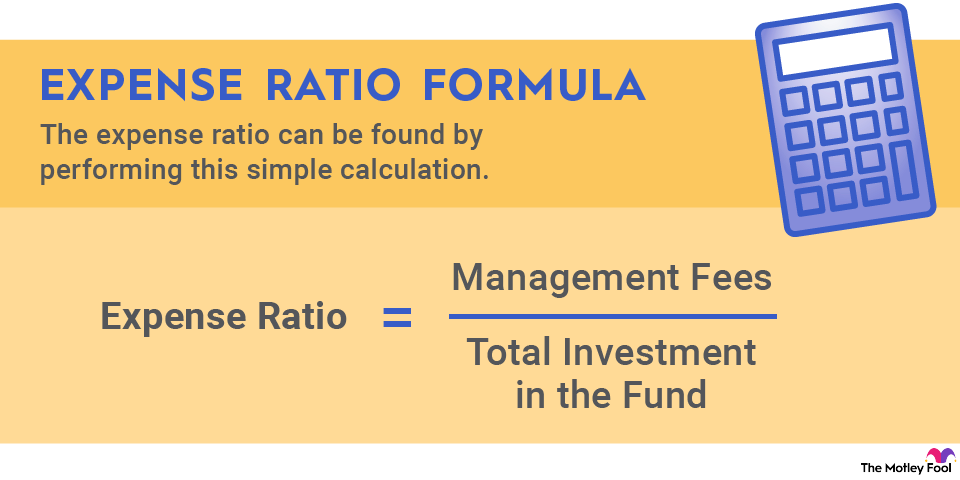
Loading paragraph...
Loading image...
Loading paragraph...
Loading paragraph...
Loading paragraph...
Loading hub_pages...
Loading paragraph...
About the Author

Rachel Warren is a contributing Motley Fool stock market analyst covering pharmaceuticals, biotechnology, medical devices, information technology, and consumer goods. Prior to The Motley Fool, Rachel was a paralegal and legal administrator. She holds a bachelor’s degree in paralegal studies from Liberty University School of Law.
Bank of America is an advertising partner of Motley Fool Money. Citigroup is an advertising partner of Motley Fool Money. JPMorgan Chase is an advertising partner of Motley Fool Money. Wells Fargo is an advertising partner of Motley Fool Money. Rachel Warren has no position in any of the stocks mentioned. The Motley Fool has positions in and recommends JPMorgan Chase. The Motley Fool has a disclosure policy.