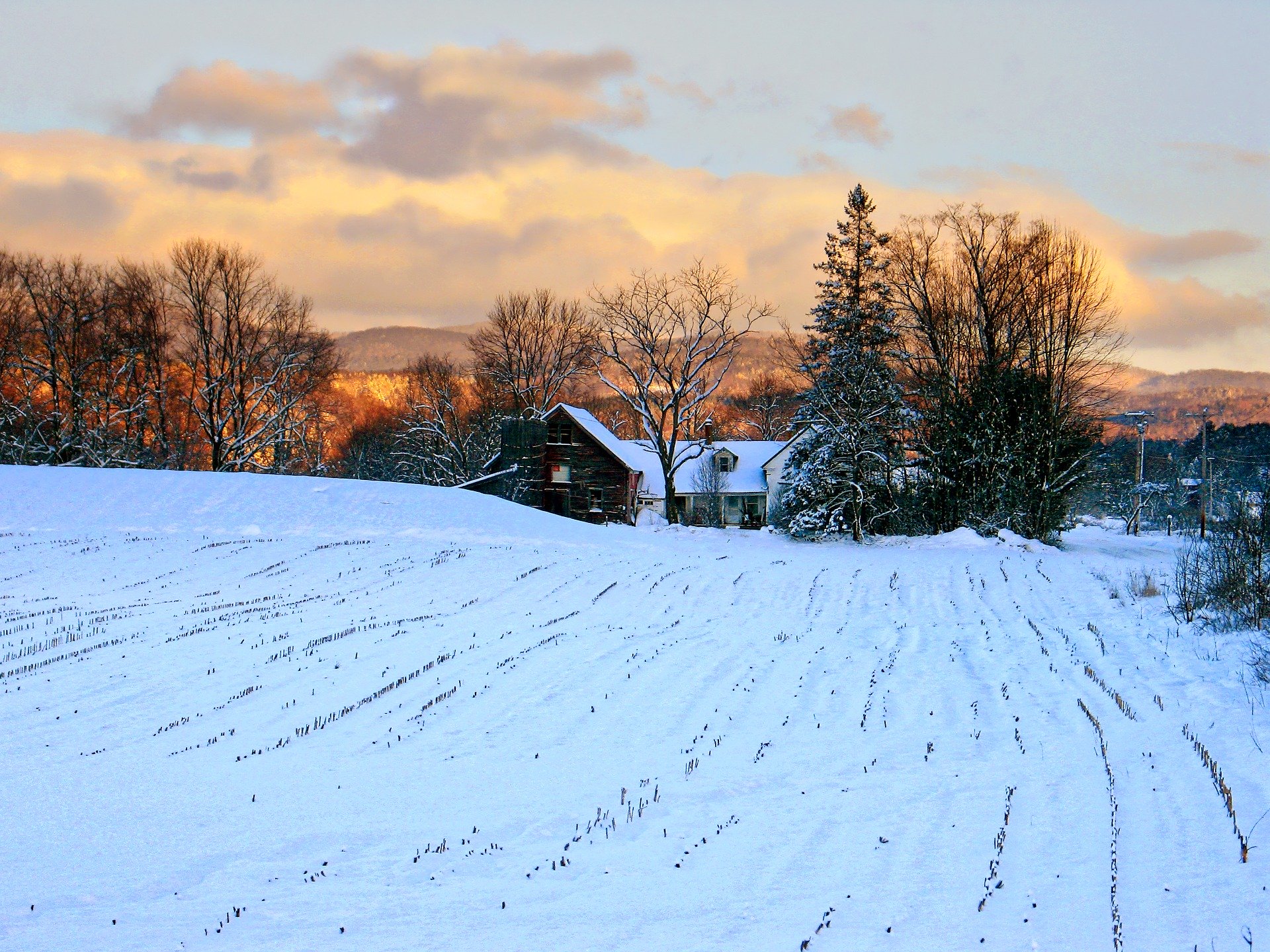
For potential home buyers in rural parts of the United States, a loan option exists beyond FHA, VA, or conventional: the USDA mortgage. These loans are meant to help finance rural properties – even single-family homes – and encourage more people to move into these areas.

What is a USDA mortgage?
A USDA mortgage loan is a home loan meant for buyers in rural and eligible suburban areas of the United States. These loans are guaranteed by the U.S. Department of Agriculture's Rural Development Guaranteed Housing Loan Program and are meant to help low- to moderate-income households purchase a home that is sanitary and safe.
These mortgages can be fairly easy to qualify for as a home buyer, and come with a 100% financing option (meaning no down payment) with no mortgage insurance. These loans can help encourage people to move to smaller towns, or free up capital for those people who already live in the area to invest more in their communities through acts like creating new
businesses.
Benefits of a USDA mortgage
USDA mortgages come with a plethora of benefits. Next to a VA mortgage, USDA mortgages are one of the best types of loans for new home buyers. Here are a few perks:
- No down payment. No down payment loans are harder and harder to find these days, but USDA mortgages never require a down payment for a primary residence. That's more money you can put in your emergency fund.
- No credit score requirement. The official word is that there is no minimum credit score for a USDA loan, provided you demonstrate a willingness and ability to handle and manage debt. In practice, lenders can apply overlays that may require minimum credit scores for their own banks, but these are still fairly low, often in the low 600s.
- Competitive interest rates. There are several loan programs that fall under USDA, all of which offer competitive rates. Programs targeted to low- or very low-income borrowers may also come with a subsidized interest rate. Be sure to ask your lender if you qualify.
- No mortgage insurance. USDA loans are guaranteed by the government, so they don't require mortgage insurance. Essentially, the government is your mortgage insurance.
Drawbacks of a USDA mortgage
USDA mortgages aren't for everyone, or for every circumstance. Here are a few negatives to consider:
- The house must qualify. If you've ever had an FHA mortgage or knew of someone who did, you probably learned about the FHA inspection, which is fairly harsh for some types of homes. That's nothing compared to what the USDA puts a home through. Your best bet when buying with a USDA mortgage is to find a home constructed to USDA standards, rather than trying to make other homes fit that standard. This kind of limits your housing pool, but if it's your first house and not your last house, that's not all bad.
- Homes must be in targeted areas. You can't just use a USDA mortgage anywhere you'd like; it has to be for a home in a particular area, generally far from the amenities of a city. The rural communities where these homes exist may suffer from significant poverty or have few local jobs available, so you'll have to either commute or bring a job with you.
Related investing topics
Who are USDA mortgages good for?
USDA mortgages are great for people who already live in rural areas and want to buy a home of their own with limited resources, but can also be a good option for people who want to leave the chaos of a city and move somewhere less intense. The lower cost of these loans can make that transition more feasible, since they can significantly reduce housing costs overall.
However, the limited options you could have in certain communities mean that you'll need to be flexible in the home you ultimately end up in, and prepared to jump at any house that will meet the USDA's strict criteria.